
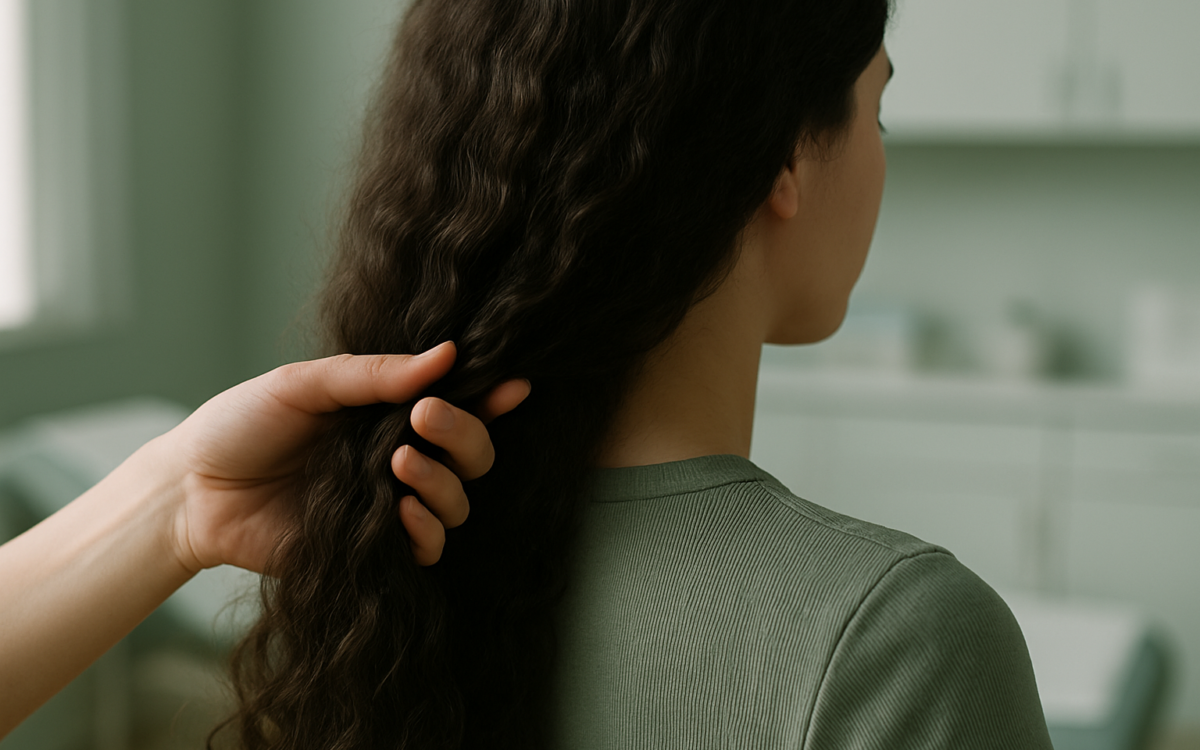
When it comes to hair, one size does not fit all. Everyone has different textures, thicknesses, and types. One important characteristic that often goes unnoticed is porosity. Porosity refers to the hair’s ability to absorb and retain moisture. Low porosity hair, in particular, has distinct traits and requires a unique care routine to stay healthy. Understanding this hair type can lead to more effective hair care choices and healthier locks.
What Is Low Porosity Hair?
Low porosity hair has a tightly closed cuticle layer, making it difficult for moisture and products to penetrate. This means that while low porosity hair can resist moisture loss, it also struggles to absorb nutrients and hydration. Individuals with low porosity hair often find that products can sit on the surface rather than being absorbed. This can lead to product build-up and a lack of moisture within the hair shaft.
Signs of Low Porosity Hair
Identifying your hair’s porosity can be incredibly beneficial for your hair care routine. Here are some signs that indicate you may have low porosity hair:
- Water beads up on the hair when wet rather than soaking in.
- Products tend to sit on the hair instead of getting absorbed.
- Your hair takes a long time to dry after washing.
- Styles may not hold well, and your hair can feel heavy from product build-up.
- It can be prone to feeling greasy or weighed down, even if you haven’t used many products.
How Low Porosity Hair Differs from Other Types
Hair can generally be classified into three porosity categories: low, medium, and high. Each type has unique characteristics:
- Low Porosity Hair: Tightly closed cuticles that resist moisture.
- Medium Porosity Hair: Cuticles that sit slightly open, allowing for good moisture absorption while minimizing moisture loss.
- High Porosity Hair: Cuticles that are very open and damaged, leading to easy moisture absorption but also a rapid loss of hydration.
Understanding these differences is crucial for developing an effective hair care routine. Each type will need specific products and techniques to maintain health, shine, and manageability.
Tips for Caring for Low Porosity Hair
If you have low porosity hair, there are several techniques and tips to keep it healthy and hydrated:
Choose the Right Products
Select lightweight moisturizers and leave-in conditioners. Avoid heavy creams that can weigh your hair down. Ingredients like aloe vera, glycerin, and honey are great for low porosity hair as they add moisture without heaviness. Check product labels to find those suitable for your hair type.
Use Heat for Better Absorption
Applying heat can help open the cuticles of low porosity hair, allowing for better product absorption. You can use a warm towel or a hooded dryer for deep conditioning treatments. Just be careful not to overdo it, as excessive heat can lead to damage.
Try the Direct Application Method
Applying products directly to wet hair can help. The moisture in your hair can aid in better absorption, especially when using a leave-in conditioner. Experiment with different application methods to find what works for your hair.
International Insights into Hair Care
Globally, individuals with different cultural backgrounds have unique methods for caring for hair. Countries with rich traditions in herbal and natural remedies offer insights into maintaining healthy hair. For those looking to explore international treatments or specialized care, resources like Acibadem International provide a wealth of information on hair care practices used around the world.
Common Mistakes with Low Porosity Hair
Understanding what not to do is just as important as knowing the right care techniques. Here are some common missteps to avoid:
- Using heavy oils and butters that can lead to build-up.
- Over-washing your hair can strip the natural oils, causing more problems with moisture retention.
- Neglecting regular cleansing can lead to excessive product build-up.
- Forgetting to incorporate regular deep conditioning treatments with heat can leave hair feeling dry.
When to See a Doctor
If you’re unsure about your hair type or experiencing excessive hair loss, breakage, or other concerning symptoms, it may be beneficial to consult a healthcare professional or dermatologist. They can offer personalized advice based on your specific hair and scalp conditions.
Understanding low porosity hair can lead to better hair care choices and help you achieve the healthy, vibrant hair you desire. By learning how to identify your hair’s needs and implementing the right care strategies, you can experience the joys of well-tended locks.
