
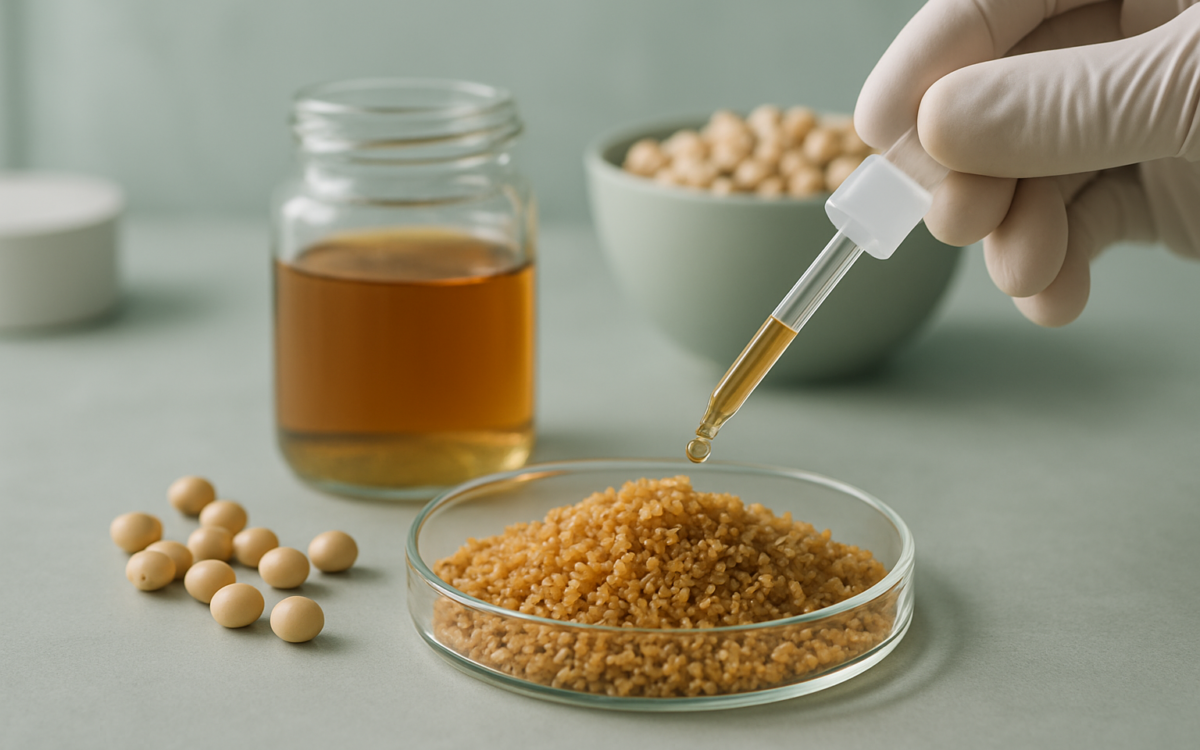
Soy lecithin is a popular ingredient found in many foods, supplements, and health products. But what exactly is it, and why is it so widely used? This article will break down the properties of soy lecithin, its benefits, uses, and safety, giving you a comprehensive understanding of this common additive.
What Is Soy Lecithin?
Soy lecithin is a natural substance derived from soybeans, and it’s best known for its role as an emulsifier. This means it helps mix ingredients that usually don’t combine well, like oil and water. Lecithin is rich in phospholipids, which are essential components of cell membranes in the body. Because of these properties, soy lecithin is commonly added to a variety of products to improve texture and stability.
Health Benefits of Soy Lecithin
While soy lecithin has primarily been used in food production, it may offer some health benefits as well. Here are a few:
- Heart Health: Some studies suggest that soy lecithin may help lower cholesterol levels, being a source of healthy fats.
- Brain Function: Lecithin is a source of choline, which is vital for cognitive functions and may support memory and overall brain health.
- Digestive Aid: The emulsifying properties of lecithin can help improve digestion by breaking down fats in the digestive system.
Although these potential benefits are promising, more research is needed to fully understand the extent of soy lecithin’s effects. Always consult with a healthcare professional before incorporating new supplements into your diet.
Common Uses of Soy Lecithin
You may encounter soy lecithin in a variety of products. Here are some common uses:
- Food Industry: Soy lecithin is prevalent in baked goods, chocolates, margarine, and salad dressings.
- Nutritional Supplements: It’s often incorporated into vitamins and dietary supplements as a filler or stabilizer.
- Pharmaceuticals: Lecithin can be found in certain medications and vaccines, helping to improve formulation and absorption.
Its versatility makes soy lecithin a staple in various manufacturing processes across industries.
Safety and Considerations
For most people, soy lecithin is considered safe when consumed in typical food amounts. However, there are some considerations:
- Allergies: Individuals with soy allergies should avoid soy lecithin, as it can trigger allergic reactions.
- Genetically Modified Organisms (GMOs): Much of the soy produced is genetically modified, which may be a concern for some consumers.
- Hormonal Effects: Soy contains phytoestrogens, which can mimic estrogen in the body. This is an important consideration for those with hormone-sensitive conditions.
It’s essential to read labels carefully and be aware of your body’s reactions. If you have specific health concerns or dietary restrictions, consult your doctor before adding soy lecithin to your diet.
How to Incorporate Soy Lecithin into Your Diet
If you’re interested in trying soy lecithin, there are several ways to include it in your diet:
- Smoothies: Add soy lecithin granules to your morning smoothie for added nutrition and creaminess.
- Baking: Use soy lecithin as an emulsifier in baked goods to improve texture.
- Salad Dressings: Blend soy lecithin into homemade salad dressings for a smooth consistency.
Remember that incorporating soy lecithin is just one part of maintaining a balanced diet.
When to See a Doctor
If you experience any allergic reactions or discomfort after consuming products with soy lecithin, consult a healthcare professional. Additionally, if you have specific health issues or dietary concerns, it’s always best to talk to your doctor for personalized advice.
Conclusion
Soy lecithin is a versatile food additive with potential health benefits, particularly when it comes to heart health and digestion. While it’s generally safe for most people, those with allergies or specific health concerns should proceed with caution. As with any dietary change, it’s wise to discuss with a healthcare provider before incorporating soy lecithin into your routine.
