
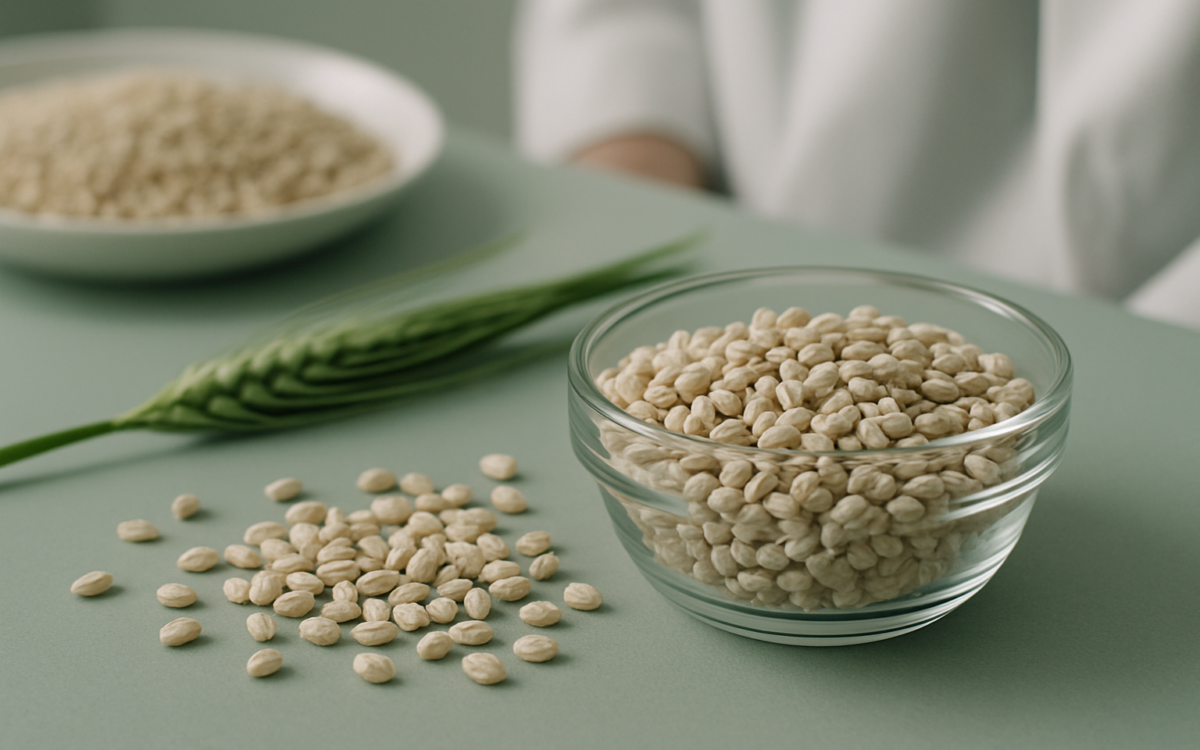
Barley, a cereal grain with a rich history, is often overlooked in modern diets. Known for its nutty flavor and chewy texture, barley offers numerous health benefits that make it a great addition to your meals. Let’s explore what barley is, its nutritional advantages, and how you can incorporate it into your diet.
What is barley?
Barley is one of the oldest cultivated grains in the world, dating back thousands of years. It belongs to the grass family and is classified as a whole grain, meaning it retains all parts of the grain, including the bran, germ, and endosperm. This makes it a nutrient-dense choice, rich in fiber, vitamins, and minerals.
Nutritional profile of barley
Barley is a fantastic source of essential nutrients. A 100-gram serving of cooked barley contains approximately:
- 123 calories
- 2.3 grams of protein
- 0.4 grams of fat
- 28 grams of carbohydrates
- 6 grams of dietary fiber
Additionally, barley is rich in B vitamins, particularly niacin and thiamine, as well as minerals such as selenium, magnesium, phosphorus, and iron. High in soluble fiber, specifically beta-glucans, barley can aid in improving digestive health and regulating blood sugar levels.
Health benefits of barley
Adding barley to your diet can lead to a host of health benefits:
1. Supports heart health
The soluble fiber in barley helps lower blood cholesterol levels, which can reduce the risk of heart disease. According to research published by the National Institutes of Health, consuming whole grains like barley may also lower blood pressure.
2. Aids in weight management
Barley’s high fiber content promotes a feeling of fullness, which can help prevent overeating. This makes it a smart choice for those looking to maintain a healthy weight.
3. Promotes digestive health
Fiber plays a vital role in digestion by helping food move through the digestive tract. Eating barley can help prevent constipation and improve overall gut health.
4. May improve blood sugar control
The beta-glucans in barley can slow the absorption of sugars in the bloodstream, which may help improve blood sugar levels. This can be especially beneficial for individuals with type 2 diabetes.
How to cook and use barley
Barley is versatile and can be used in a variety of dishes. Here are a few popular cooking methods:
Cooking barley
Before cooking, rinse the barley under cold water to remove any dust or debris.
- Stovetop method: Combine 1 cup of barley with 3 cups of water or broth in a pot. Bring it to a boil, then reduce the heat, cover, and simmer for about 30 to 40 minutes until tender.
- Slow cooker method: Add 1 cup of barley to your slow cooker with 4 cups of water or broth. Cook on low for 6 to 8 hours or until the barley softens.
Barley can be added to soups, stews, salads, and grain bowls, or used as a side dish. Incorporating barley into your diet may not only enhance flavor but also improve nutritional value.
International uses of barley
Barley is used worldwide in various cuisines, from pilafs to soups and even as a base for beverages like beer. In some cultures, barley is seen as a staple food due to its nutritional properties. If you are considering international travel for treatments or health purposes, barley can be a valuable part of your diet. For those seeking international patient services, understanding local dietary staples like barley can enhance your nutrition during your stay.
Storing barley
To maintain its freshness, store barley in an airtight container in a cool, dark place. If you buy whole barley, it can last up to a year, while pearl barley has a slightly shorter shelf life of about six months. Cooked barley can be stored in the refrigerator for 3 to 5 days or frozen for up to a year.
When to see a doctor
If you have dietary concerns or specific health conditions, it’s always best to consult a healthcare professional. They can provide personalized advice based on your health history and nutritional needs.
In conclusion, barley is not just a grain; it’s a nutritional powerhouse with numerous health benefits. Incorporating barley into your meals can enhance your diet dramatically, supporting heart health, aiding digestion, and helping to control blood sugar levels. Try adding this versatile grain to your cooking to enjoy all the wonderful benefits it offers.
