
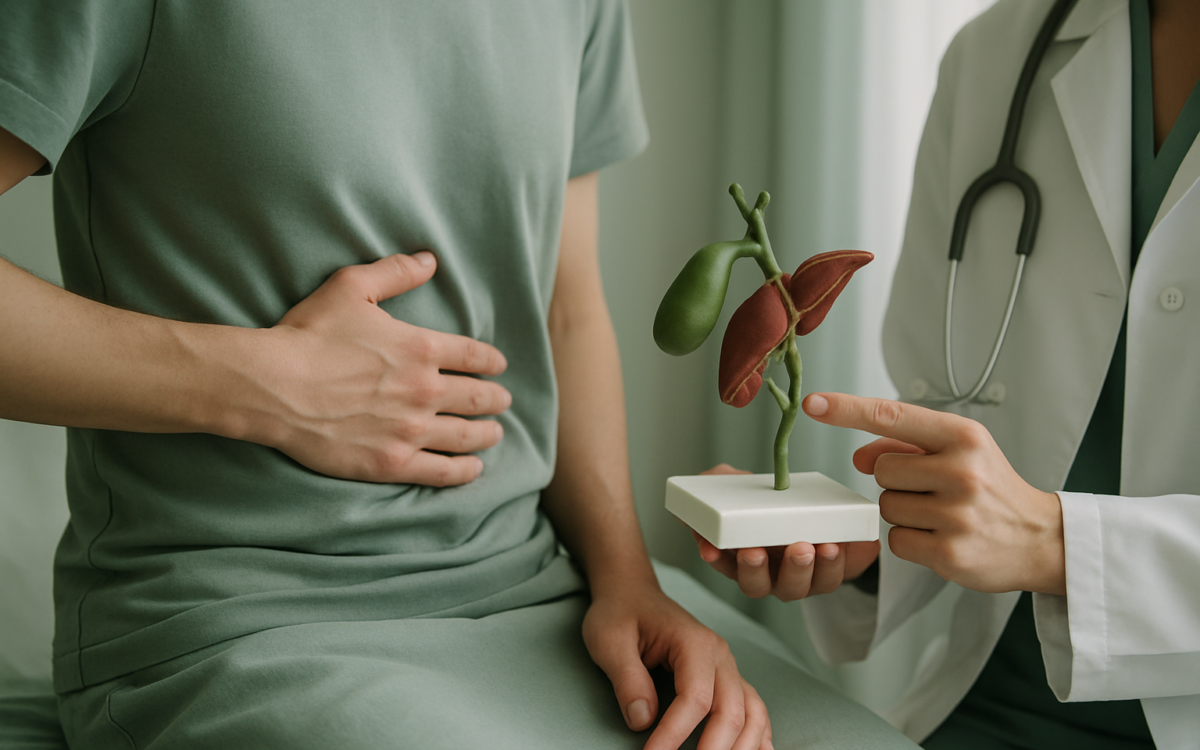
Having your gallbladder removed, a common surgical procedure known as cholecystectomy, can lead you to wonder: can you live without a gallbladder? The short answer is yes, many people do so without significant issues. However, the journey can vary, and it’s essential to understand the implications for your health and lifestyle.
Understanding the Gallbladder’s Role
The gallbladder is a small, pear-shaped organ located beneath your liver. Its primary function is to store bile, a digestive fluid produced by the liver that helps break down fats. When you eat, especially fatty foods, the gallbladder releases bile into the small intestine to aid digestion. But what happens when it’s removed?
Can You Live a Normal Life After Gallbladder Removal?
Yes, you can lead a completely normal and healthy life without a gallbladder. Your liver continues to produce bile, but instead of being stored, the bile flows directly into your intestines. Some people report no noticeable changes in their digestion at all.
Possible Changes to Digestion
While many can adjust to life without a gallbladder smoothly, some may experience digestive changes. These can include:
- Diarrhea: Some people may experience diarrhea, especially after eating fatty meals, due to the constant flow of bile into the intestines.
- Bloating and Gas: You may also experience increased bloating and gas as your digestive system adjusts.
- Fat Malabsorption: Since bile is less concentrated, some may have difficulty digesting large amounts of fat.
To manage these changes, a diet low in fat and high in fiber is often recommended. Start with smaller meals and increase your fiber intake gradually. If issues persist, you might want to consult a healthcare professional for tailored dietary advice.
Dietary Adjustments After Gallbladder Surgery
Adapting your diet can lead to significant improvements in digestion and overall well-being. Here are some dietary tips for individuals living without a gallbladder:
- Limit Fat Intake: It’s beneficial to reduce your consumption of fatty foods, especially high-fat and fried foods. This approach helps in managing diarrhea and promotes easier digestion.
- Increase Fiber: Incorporating more fiber-rich foods like fruits, vegetables, and whole grains can support digestion and improve bowel function.
- Stay Hydrated: Drinking plenty of water is essential for digestion and can help in managing any gastrointestinal discomfort.
- Small, Frequent Meals: Instead of three large meals, eating smaller portions more frequently can help your body digest food more easily.
If you’re considering international treatment options or need further guidance, Acibadem International offers various resources to help patients manage smooth transitions after gallbladder surgery.
Long-Term Health Considerations
Living without a gallbladder does come with some long-term considerations. Although most people adjust well, some may face chronic digestive challenges. It’s crucial to keep a few key points in mind:
- Monitor Your Symptoms: Keep track of any digestive symptoms or changes. If diarrheal episodes are chronic, consult with a healthcare provider.
- Regular Check-Ups: Regular check-ups with your doctor can help you manage any lingering issues effectively.
- Supplementation: In some cases, your doctor may recommend dietary supplements, such as bile salts, to improve fat digestion.
Remember, the experiences of post-cholecystectomy patients can vary widely, and tailored advice from a healthcare professional is essential.
When to See a Doctor
While many people do not experience severe complications after gallbladder removal, be vigilant for signs that may indicate a problem:
- Severe abdominal pain that persists or worsens
- Persistent nausea or vomiting
- High fever or chills
- Signs of dehydration, such as dizziness or dark urine
If you encounter any of these symptoms, it’s important to consult with your healthcare provider.
Conclusion
In conclusion, living without a gallbladder is entirely possible for many individuals, with most adjusting well to dietary and lifestyle changes. By staying mindful of your diet and monitoring your symptoms, you can maintain your health and enjoy a fulfilling life. Always remember to consult with your healthcare provider for personalized guidance.
