
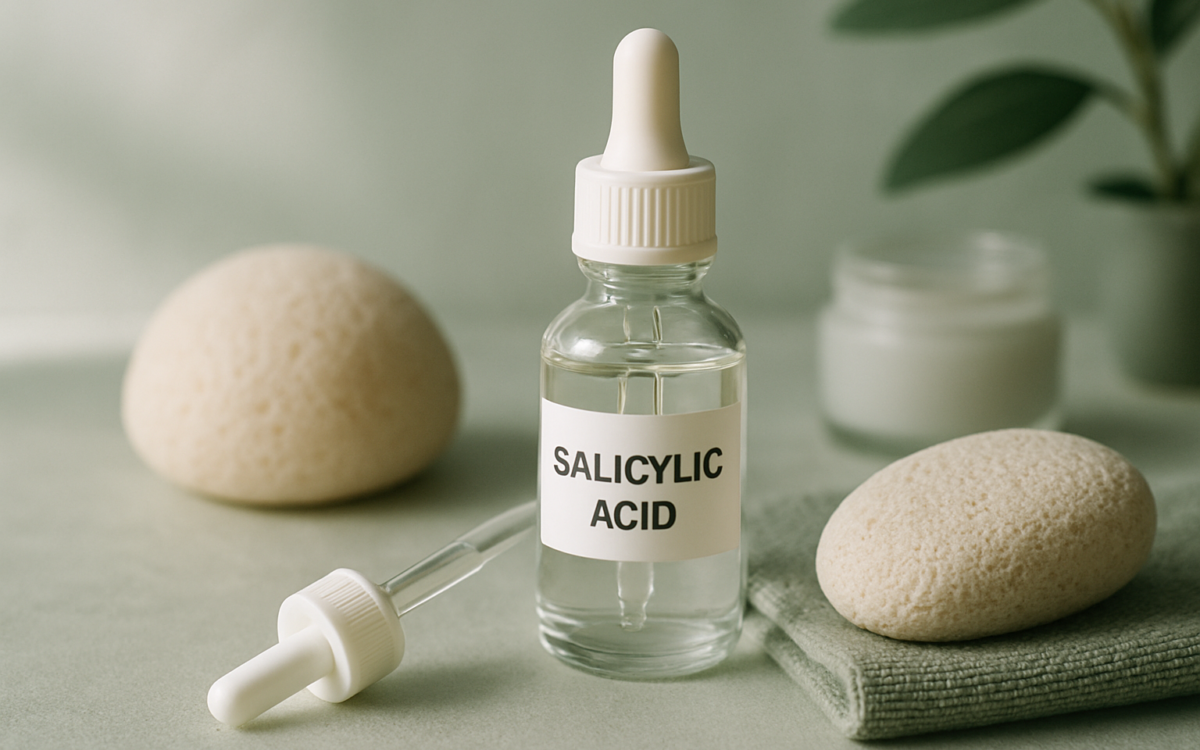
Salicylic acid has gained popularity in the beauty and skincare industry for its ability to promote clearer skin. Whether you’re dealing with acne, oily skin, or even dandruff, you might have seen this ingredient listed on many over-the-counter products. But what does salicylic acid actually do, and how can it benefit your skin health? Let’s take a closer look at this versatile skincare ingredient.
What Is Salicylic Acid?
Salicylic acid is a beta hydroxy acid (BHA) derived from willow bark. It has been used for centuries for its medicinal properties. In skincare, salicylic acid is primarily known for its ability to exfoliate the skin, unclog pores, and reduce inflammation. This makes it a staple for treating various skin conditions.
How Does Salicylic Acid Work?
Salicylic acid works primarily through a process called keratolysis. This means it helps break down the outer layer of skin, promoting the shedding of dead skin cells. Here’s how it helps:
- Exfoliation: By gently exfoliating the skin, salicylic acid helps remove dirt and excess oil, which can prevent the formation of blackheads and whiteheads.
- Unclogging Pores: Salicylic acid penetrates deeply into the pores, dissolving the debris and oil that cause blockages.
- Anti-inflammatory Properties: It also has anti-inflammatory effects, which can help calm irritated skin and reduce redness associated with acne.
Benefits of Salicylic Acid for Skin
Salicylic acid offers various benefits for different skin concerns:
1. Acne Treatment
This is perhaps the most recognized use of salicylic acid. It’s effective for treating both mild and moderate acne. By preventing clogged pores and reducing inflammation, salicylic acid can reduce the severity of breakouts and promote clearer skin. The National Institutes of Health recommend it as a frontline treatment for acne.
2. Oily Skin Management
This acid is beneficial for individuals with oily skin. It helps control excess sebum production, which is often a contributing factor to acne and clogged pores. Regular use can lead to a more balanced skin tone and texture.
3. Gentle Exfoliation
For those with sensitive skin, salicylic acid provides a gentle method of exfoliation. Unlike some harsher exfoliants, salicylic acid can clear away dead skin cells without causing irritation, making it suitable for various skin types.
4. Dandruff Control
Salicylic acid is not only beneficial for facial skin; it’s also a common ingredient in dandruff shampoos. It helps reduce flakiness by exfoliating the scalp and reducing the buildup of skin cells, which may lead to dandruff.
How to Use Salicylic Acid in Your Skincare Routine
Integrating salicylic acid into your skincare routine can be simple, but it’s important to do it correctly:
- Choose the Right Form: Salicylic acid is available in various formats, including cleansers, toners, spot treatments, and serums. Pick the one that best fits your skin type and concerns.
- Start Slow: If you’re new to salicylic acid, start with a lower concentration and use it a few times a week. This will help your skin adjust to the ingredient.
- Monitor Your Skin: Pay attention to your skin’s response. If you notice excessive dryness or irritation, reduce the frequency of use.
- Moisturize: Always follow up with a moisturizer after applying salicylic acid to keep your skin hydrated.
Possible Side Effects and Precautions
While salicylic acid is generally safe for most people, it’s essential to be aware of potential side effects:
- Dryness: Some users may experience dryness or peeling, especially if they’re using products with a high concentration.
- Allergic Reactions: Although rare, some individuals may have an allergic reaction to salicylic acid. Look out for signs of rash, itching, or swelling.
- Sun Sensitivity: Salicylic acid can make your skin more sensitive to sunlight. Always use sunscreen if you’re using a salicylic acid product.
If you have a history of skin allergies or sensitive skin, it’s wise to consult with a dermatologist before starting new products containing salicylic acid.
When to See a Doctor
If you experience severe side effects or notice your skin condition worsening despite using salicylic acid, it may be time to seek professional help. Conditions that don’t improve with over-the-counter treatment or that cause significant discomfort should be evaluated by a healthcare provider. They can advise on prescription options or alternative treatments that may be more effective for your individual skin needs.
In addition, if you have any concerns about how your skin is responding to salicylic acid or are unsure about its use on specific areas (like the scalp), consulting a dermatologist can provide tailored guidance.
Conclusion
Salicylic acid can be a powerful ally in your skincare routine, particularly for combating acne, managing oily skin, and offering gentle exfoliation. Its unique properties help promote clearer skin while being gentle enough for sensitive skin, provided it’s used correctly. As with any skincare ingredient, understanding how it works and listening to your skin is key. So, consider adding salicylic acid to your regimen wisely and consult a healthcare professional when in doubt!
