
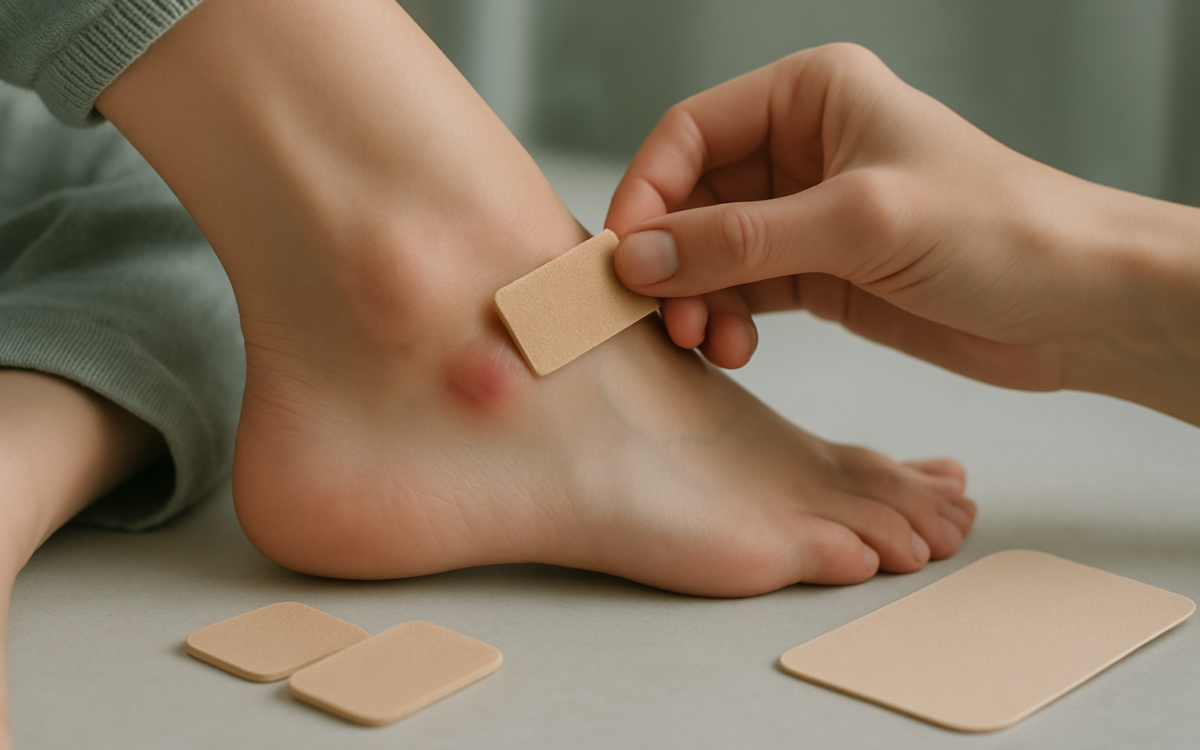
Blisters can be painful nuisances, often the result of friction, heat, or moisture. Whether you’re a runner, a hiker, or someone who spends long hours on your feet, the chance of developing blisters increases with vigorous activity. Fortunately, there’s a simple solution that promotes healing and helps prevent further irritation: moleskin.
What is Moleskin?
Moleskin is a soft, flexible adhesive fabric often used to cover and cushion areas of the skin that are prone to friction. It was initially designed as a protective layer for the skin, helping to reduce rubbing that can lead to blisters. The inner layer is made of a plush material that provides comfort, while the outer layer is coated with adhesive, allowing it to stick to the skin effectively.
How Does Moleskin Help with Blisters?
When applied to a blistered area, moleskin serves several purposes:
- Protection: Moleskin provides a protective barrier against further friction and irritation from shoes or other surfaces.
- Cushioning: The soft inner layer cushions the blister, reducing pain and discomfort when walking or moving.
- Hygiene: By covering the blister, moleskin helps keep the area clean and decreases the risk of infection.
Choosing the Right Moleskin
When selecting moleskin, consider the following:
- Thickness: Moleskin comes in various thicknesses. Thicker moleskin may provide more cushioning, while thinner options can be more discreet.
- Adhesive Quality: Look for moleskin with a strong, skin-friendly adhesive that won’t irritate the skin upon removal.
- Shape and Size: Moleskin can typically be cut to fit different blister sizes and shapes. Pre-cut shapes are also available for convenience.
How to Effectively Use Moleskin for Blisters
Applying moleskin correctly maximizes its effectiveness:
- Clean the Area: Ensure the blister and surrounding skin are clean and dry. Use mild soap and water, and dry gently.
- Cut the Moleskin: Measure a piece of moleskin slightly larger than the blister. It should cover the entire blister and a small surrounding area.
- Apply the Moleskin: Carefully press the moleskin over the blister, ensuring it adheres well. Avoid pulling or stretching it excessively.
- Change Regularly: Replace the moleskin daily or if it becomes wet or dirty. This keeps the blister clean and helps prevent infection.
Risks and Precautions
While moleskin is generally safe, there are some points to keep in mind:
- Allergic Reactions: Some individuals may develop an allergic reaction to the adhesive. If you notice increased redness, itching, or swelling, discontinue use and consult a doctor.
- Avoid Open Blisters: If a blister has opened, it’s essential to keep it clean and covered with a sterile bandage instead of moleskin to prevent infection.
- Insufficient Healing: If blisters are recurrent, assess your footwear and activity levels, as persistent problems may signal an underlying issue.
Alternatives to Moleskin
While moleskin is a popular choice, several alternatives exist for blister protection:
- Blister Pads: These pre-made pads are often gel-filled, providing extra cushioning and absorbing moisture.
- Hydrocolloid Dressings: These dressings promote a moist healing environment and can be beneficial for more severe blisters.
- Antifriction Balms: These balms can be applied before activity to reduce friction and help prevent blisters from forming in the first place.
When to See a Doctor
While many blisters can be managed at home using moleskin or other methods, there are certain situations where medical attention is necessary:
- If a blister shows signs of infection, such as increased redness, swelling, or pus.
- If blisters continue to develop despite taking preventative measures.
- If you have a medical condition that affects your skin or circulation, such as diabetes or vascular diseases.
Conclusion
Moleskin is a valid and effective tool for blisters, providing essential protection and comfort. Understanding how to use it properly can help you alleviate discomfort and promote healing during your activities. Always monitor the condition of your blisters and consult a healthcare professional when necessary to ensure the best care for your skin.
