
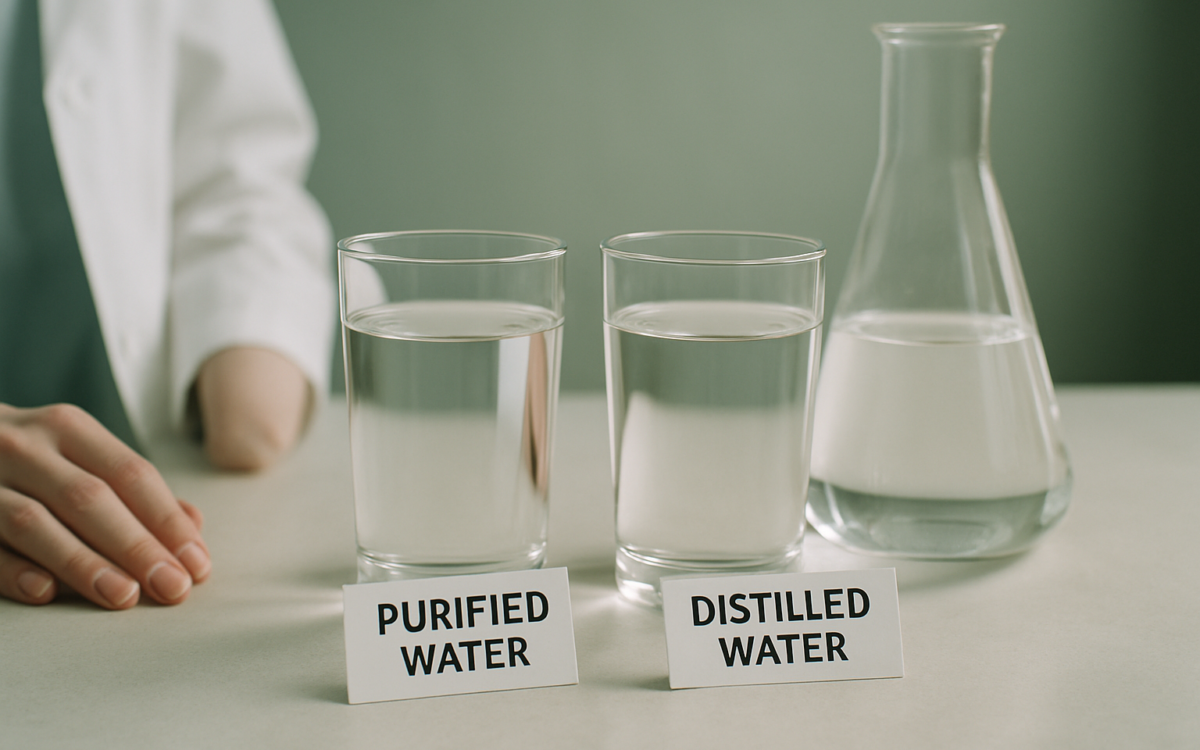
When you reach for a bottle of water, you might notice labels like “purified” or “distilled.” While both types of water seem similar, they are not the same. Understanding these differences can help you make informed choices about what you drink and how it might affect your health.
What is Purified Water?
Purified water is water that has undergone purification processes to remove impurities, including chemicals, toxins, and microorganisms. This category can include water that has been treated through various methods such as filtration, reverse osmosis, or distillation. The key point is that purified water reaches a certain standard of purity, often defined by regulatory bodies.
Many brands label their water as purified, and it’s commonly used in cooking, hydration, and even in scientific laboratories where water quality is critical. According to the Centers for Disease Control and Prevention (CDC), ensuring that water is safe and clean is vital for maintaining good health.
What is Distilled Water?
Distilled water is a specific type of purified water that has been boiled to produce steam. This steam is then condensed back into a liquid form, leaving behind most of its impurities and contaminants. Because of this process of boiling and condensation, distilled water is often free of minerals and other dissolved substances.
The boiling process kills bacteria, viruses, and other pathogens, making distilled water very safe to drink. It is often used in settings where high purity is needed, such as in medical devices or for laboratory experiments. This form of water also serves as a good option for certain appliances like steam irons and humidifiers, as it prevents mineral buildup.
Key Differences Between Purified and Distilled Water
While both purified and distilled water undergo processes to remove contaminants, there are some significant differences:
- Processes: Purified water can be treated through various methods like reverse osmosis or distillation, while distilled water specifically uses boiling and condensation.
- Mineral Content: Distilled water has almost all its minerals and impurities removed. In contrast, purified water may retain some minerals depending on the purification process used.
- Uses: While both types can be used for drinking, distilled water is often used in applications requiring ultra-pure water, whereas purified water is ideal for general consumption.
Health Considerations
Choosing between purified and distilled water may depend on personal health preferences and specific needs. For most people, both types are safe for consumption. However, purified water’s retained minerals can provide some essential nutrients, whereas distilled water might lack these benefits.
Some health experts argue that drinking distilled water can lead to mineral deficiencies if it is your primary source of hydration over an extended period. While your body does obtain minerals from other foods, it’s worth considering what role water plays in your overall nutrition.
Environmental Impact
The source of the water and the packaging also play critical roles in the environmental footprint of bottled water. Both purified and distilled waters can come from municipal sources or natural springs, but distilled water might require more energy to produce due to the boiling process.
When choosing bottled water, consider opting for brands that prioritize sustainable practices, such as using recyclable materials or supporting clean water initiatives. Making conscious decisions can reduce the ecological impact of your water consumption.
When to See a Doctor
If you have concerns about your hydration needs or any specific medical conditions that may affect your water choices, consult with a healthcare provider. They can provide guidance tailored to your individual health requirements.
Conclusion
In short, while purified water and distilled water share the goal of providing clean drinking water, they differ in their processes and health implications. Familiarizing yourself with these differences can help you make informed decisions for your hydration needs. As with any health-related issue, when in doubt, it’s always best to seek advice from a healthcare professional.
