
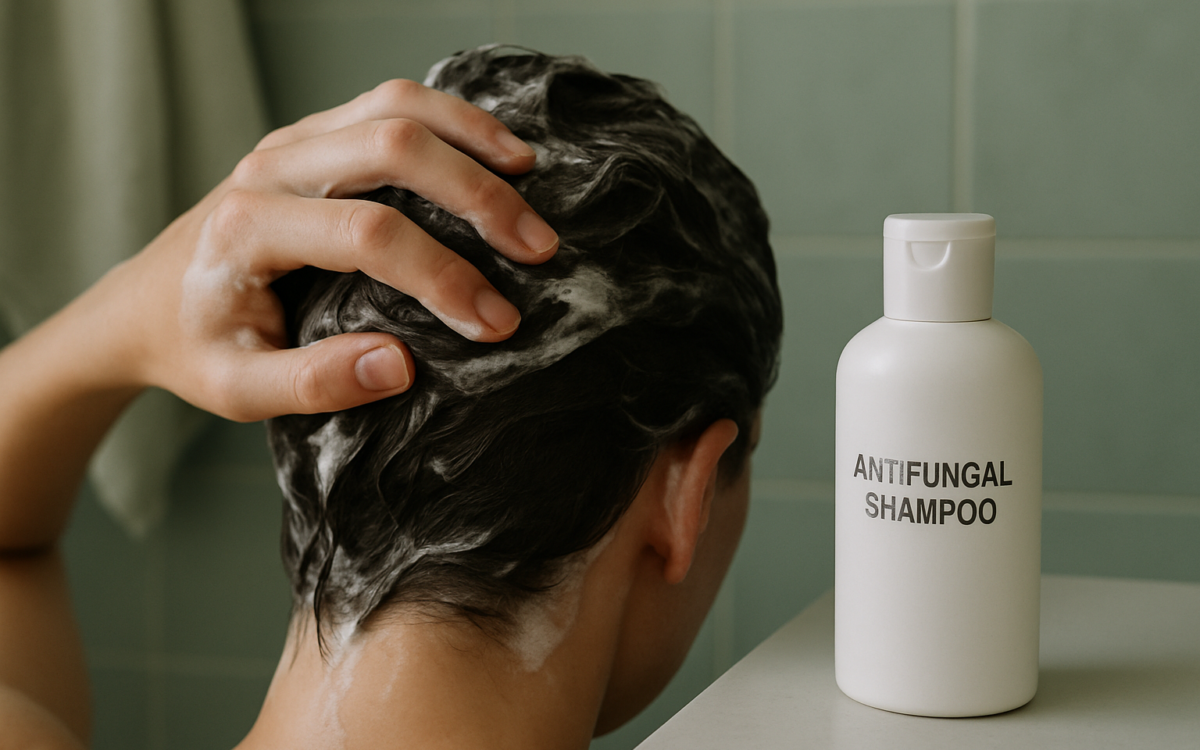
Many people experience itching, flaking, or irritation of the scalp at some point in their lives. For some, these symptoms might lead to a diagnosis of a fungal scalp infection, or result from conditions like dandruff and seborrheic dermatitis. In such cases, antifungal shampoos can be an effective treatment option. This guide explores what antifungal shampoos are, how they work, and how to use them for optimal results.
What Are Antifungal Shampoos?
Antifungal shampoos are specialized hair care products designed to treat fungal infections of the scalp. These shampoos contain active ingredients that target and eliminate fungi, helping to alleviate symptoms such as itching and flaking. They are commonly used to treat conditions like:
- Dandruff: Often caused by a yeast-like fungus called Malassezia, which can lead to an overproduction of skin cells, resulting in flakes.
- Seborrheic Dermatitis: A more severe form of dandruff that may involve reddened skin and inflammation.
- Tinea Capitis: Also known as scalp ringworm, this is a contagious infection that can cause bald patches and severe itching.
How Do Antifungal Shampoos Work?
The effectiveness of antifungal shampoos comes from their active ingredients. Common antifungal agents found in these shampoos include:
- Ketoconazole: A broad-spectrum antifungal that is effective against various fungi.
- Clotrimazole: Often used for treating skin fungal infections as well as those affecting the scalp.
- Apricot Kernels: An ingredient that can help inhibit fungal growth while also nourishing the scalp.
These ingredients work by disrupting the cell membranes of fungi, inhibiting their reproduction, and reducing inflammation caused by the infections. When applied regularly, antifungal shampoos can restore balance to the scalp and relieve uncomfortable symptoms.
How to Use Antifungal Shampoos
Using antifungal shampoo properly is crucial for achieving the desired results. Here are some tips:
- Frequency: Depending on the severity of your condition, you may need to use the shampoo daily, weekly, or as advised by your healthcare provider.
- Application: Wet your hair thoroughly, apply the shampoo to the scalp, and massage it in gently. Allow it to sit for 5-10 minutes before rinsing to maximize effectiveness.
- Follow-Up Care: After using antifungal shampoo, consider following up with a moisturizing conditioner to keep your hair healthy.
It’s important to follow the instructions provided on the shampoo label or as directed by your healthcare provider to ensure the best outcome.
Potential Side Effects and Precautions
While antifungal shampoos are generally safe, some users may experience side effects. Common side effects include:
- Itching or irritation of the scalp
- Dryness or excessive flaking
- Color changes in hair (especially for colored hair)
If you notice severe or persistent side effects, it’s advisable to consult with a healthcare professional. Additionally, those with sensitive skin may want to do a patch test before using a new antifungal shampoo.
International Treatment Perspectives
In different regions, the availability and formulation of antifungal shampoos may vary. In some countries, specialized products might contain specific active ingredients tailored for local demographics. For individuals seeking effective treatment, exploring options from various health systems can be beneficial. For more information on international health care, check out acibademinternational.com. It’s important to consult with a healthcare professional who understands your specific needs and can recommend the best course of action.
When to See a Doctor
If symptoms persist despite using an antifungal shampoo, it’s essential to consult a healthcare provider. You should seek medical advice if you experience:
- Severe itching or pain
- Redness or swelling that spreads
- Signs of a secondary infection, such as pus, fever, or increased discomfort
A healthcare provider can assess your symptoms and determine if further treatment is necessary.
In conclusion, antifungal shampoos can be an effective solution for treating various scalp conditions caused by fungi. By understanding how these products work, their proper use, and when to consult a professional, you can achieve a healthier scalp and more comfortable hair care routine.
