
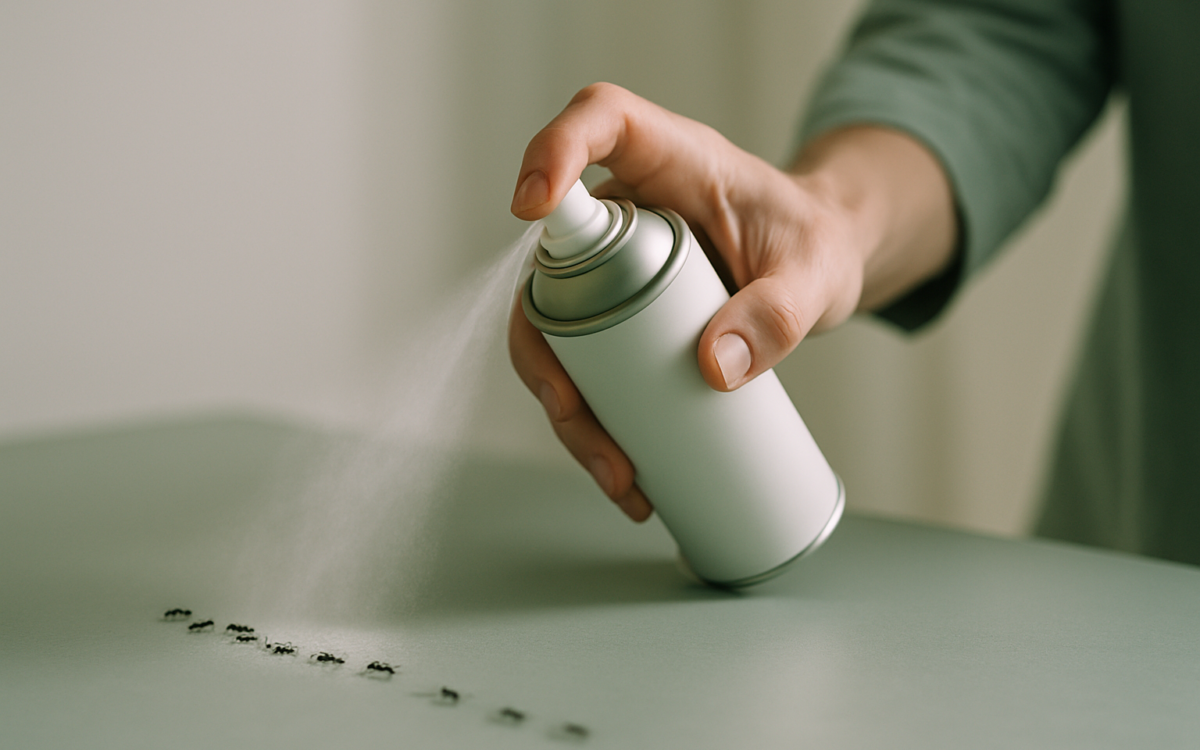
Ants can be a common nuisance in homes, especially during warmer months. While some people may think of them as harmless, certain species can cause structural damage or contaminate food. Understanding ant behavior and choosing the right ant spray can help effectively manage these pesky invaders. In this article, we’ll explore different types of ant sprays, safety considerations, natural alternatives, and when it might be time to call in a professional.
Understanding Ant Behavior
Ants are social insects that live in colonies. Their behavior is geared toward teamwork, which is why it can seem like they invade homes all at once. They are often in search of food, moisture, or shelter, making homes an appealing target. Common species such as pavement ants, carpenter ants, and sugar ants each have unique habits that can influence what type of spray you might need.
Types of Ant Sprays
When dealing with an ant problem, there are several types of ant sprays available on the market. Here’s a breakdown of the most common options:
- Contact sprays: These sprays kill ants on contact but may not affect those in the nest. They’re useful for immediate action.
- Residual sprays: These can cling to surfaces for days to weeks, killing ants that come into contact with them. This type is helpful for long-term management.
- Bait sprays: These work by attracting ants to a poison contained within the bait. Foraging ants take the bait back to the colony, which can eventually eradicate the entire population.
- Natural sprays: Made with organic ingredients, these sprays are often preferred for homes with pets or children. They can be effective but may not provide instant results.
Safety Considerations
Using ant sprays requires careful handling to ensure safety for both people and pets. Here are some vital safety tips:
- Read labels: Always check the product label for safety instructions, usage details, and potential hazards. Following these guidelines is essential for safety.
- Keep children and pets away: During application, make sure kids and pets are in a different area. This helps prevent accidental exposure.
- Ventilation: Use ant sprays in well-ventilated areas. If you’re using an aerosol can, open windows and doors to allow fresh air in.
- Store safely: Store ant sprays in a secure place that is out of reach of children and pets.
Natural Ant Spray Alternatives
If you prefer a less toxic approach, there are numerous natural alternatives you can consider:
- Vinegar and water: A mixture of equal parts vinegar and water can deter ants. Spray it around entry points to discourage them from entering.
- Lemon juice: Similar to vinegar, lemon juice can disrupt ant trails and deter them from returning.
- Essential oils: Peppermint, tea tree, and eucalyptus oils can repel ants. Mix a few drops with water and spray where you’ve seen ant activity.
When to See a Doctor
If you experience allergic reactions to ant bites or stings, such as difficulty breathing, swelling, or hives, it’s essential to seek medical attention promptly. While most ants aren’t harmful, their bites can cause discomfort or allergic reactions in some individuals.
When Professional Help is Necessary
For extensive ant infestations, it may be wise to enlist the help of a pest control professional. If your efforts to manage ants have failed, or if you’re dealing with carpenter ants, which can cause structural damage, a professional can provide effective treatment strategies. They can identify the ant species you’re dealing with and offer customized solutions to protect your home.
Conclusion
Managing ant issues effectively requires understanding their behavior, selecting the right type of spray, and following safety protocols. Whether you choose chemical solutions or natural alternatives, there’s a range of options to help keep your home ant-free. If you ever feel overwhelmed by an ant infestation, don’t hesitate to reach out to professionals who can assist you. With a proactive approach, you can reclaim your space and enjoy a comfortable, ant-free environment.
