
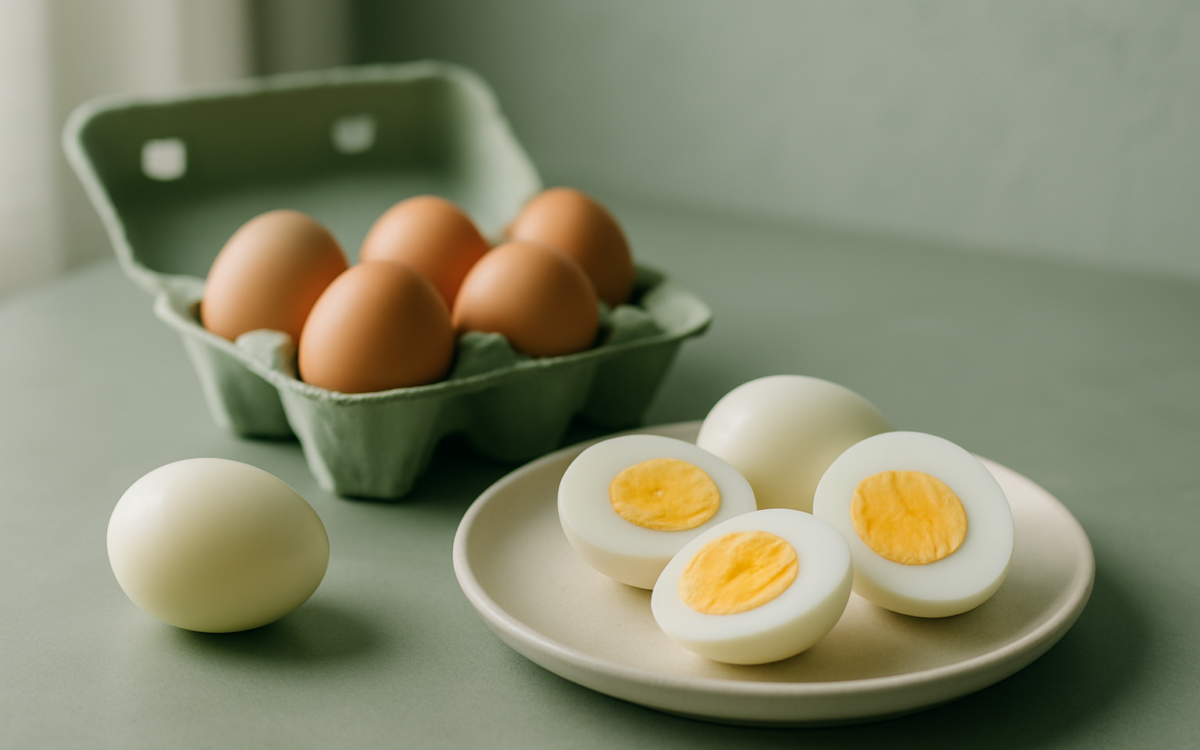
Hard boiled eggs are a versatile and nutritious snack, packed with protein and essential nutrients. They are great for breakfast, a healthy snack, or even added to salads. But how long can you safely store hard boiled eggs in the refrigerator? In this article, we will explore the lifespan of hard boiled eggs, how to store them properly, and tips for ensuring they remain fresh and safe to eat.
The lifespan of hard boiled eggs
Generally, hard boiled eggs can last up to one week in the refrigerator when stored properly. The Centers for Disease Control and Prevention (CDC) advises that boiled eggs should be kept in their shells if possible. The shell acts as a natural barrier to bacteria and helps retain moisture.
Storing hard boiled eggs
To maximize the freshness and safety of your hard boiled eggs, follow these storing tips:
- Leave the shell on: If you do not peel the eggs, they can last longer in the refrigerator.
- Refrigerate promptly: After boiling the eggs, cool them quickly and store them in the refrigerator within two hours.
- Use an airtight container: If you choose to peel the eggs, place them in a tightly sealed container with a damp paper towel to prevent them from drying out.
- Label and date: It’s helpful to mark the container with the boiling date to keep track of freshness.
Signs your hard boiled eggs have gone bad
Even with proper storage, sometimes hard boiled eggs can go bad. Here are some signs to look for:
- Unpleasant odor: A sulfur smell can indicate spoilage.
- Discoloration: Check for unusual discoloration in the egg whites or yolk.
- Texture changes: If the egg feels slimy or overly dry, it may be past its prime.
Other considerations for hard boiled eggs
Besides knowing how long they last and how to store them, it’s also important to consider how to enjoy hard boiled eggs safely. Here are some additional tips:
- Cooking method: Ensure that eggs are cooked thoroughly to an internal temperature of 160°F (71°C) to kill any harmful bacteria.
- Peeled eggs: If you’ve peeled your hard boiled eggs but haven’t eaten them quickly, it’s advisable to consume them within 24 hours.
- Transport carefully: If you’re bringing hard boiled eggs on a picnic or road trip, keep them in a cooler with ice packs to maintain safe temperatures.
Frequently asked questions about hard boiled egg storage
Can I freeze hard boiled eggs?
While it’s not recommended to freeze whole hard boiled eggs, you can freeze the yolks. Freezing may alter the texture, but they can be stored in an airtight container for up to three months.
What about egg salads with hard boiled eggs?
Egg salads made with hard boiled eggs are delicious but should be consumed within 3-5 days if refrigerated. To ensure they remain safe, keep them in a sealed container and monitor for signs of spoilage.
When to see a doctor
If you experience food poisoning symptoms, such as nausea, vomiting, diarrhea, or abdominal pain, after consuming hard boiled eggs or any other food, consult your doctor immediately. It’s important to get appropriate care if symptoms are severe or last longer than a couple of days.
In conclusion, hard boiled eggs can be a healthy and convenient food option when stored properly. By understanding how long they last and recognizing the signs of spoilage, you can enjoy this nutritious snack safely. For further details on food safety, you can visit the Food Safety and Inspection Service (FSIS), where more resources are available on safe food handling practices.
