
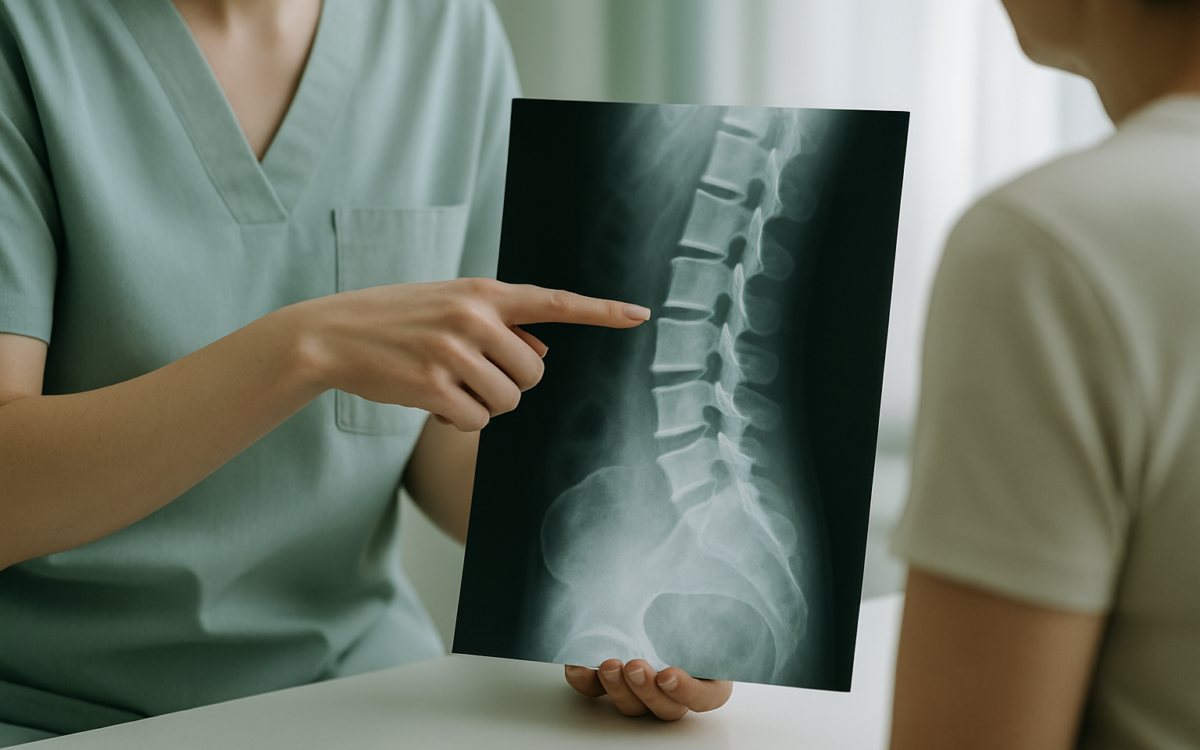
Imagine a sponge that has lost its moisture — that’s similar to what happens in your spine when disc desiccation occurs. This often-overlooked condition affects many people, typically as they age. But understanding what it is, its implications, and how to manage it can empower you to take control of your spinal health.
What is Disc Desiccation?
Disc desiccation refers to the process of dehydration of the intervertebral discs in the spine. These discs act as cushions between the vertebrae, providing support and flexibility to the spine. When they lose hydration, they can become less effective, leading to various issues.
Understanding the Intervertebral Discs
The intervertebral discs are composed of a gel-like center called the nucleus pulposus surrounded by a tougher exterior known as the annulus fibrosus. The discs are essential for absorbing shock and allowing movement. Over time, factors such as age, injury, or repetitive stress can lead to disc desiccation.
Causes of Disc Desiccation
Several factors can contribute to disc desiccation:
- Age: Natural aging can decrease the water content of the discs.
- Genetics: Some people are more predisposed to disc degeneration due to their genetic makeup.
- Injury: Traumatic injuries can damage the discs, leading to dehydration.
- Repetitive Stress: Occupations or activities involving heavy lifting and twisting can accelerate the desiccation process.
Symptoms of Disc Desiccation
Disc desiccation may not always present symptoms, especially in its early stages. However, over time, you might experience:
- Back pain: This could be a constant ache or a sharp pain exacerbated by movement.
- Stiffness: Your back may feel rigid, especially in the morning or after long periods of inactivity.
- Radiculopathy: Nerve compression can lead to pain, weakness, or numbness in the arms or legs if the desiccated disc affects nearby nerves.
Diagnosing Disc Desiccation
If you suspect disc desiccation, a healthcare professional can help confirm the diagnosis. They may use:
- Medical history: Discussing your symptoms and any relevant activities or injuries.
- Physical examination: Checking for pain, stiffness, and range of motion.
- Imaging tests: MRI or CT scans can provide detailed images of your spine and discs, revealing any desiccation or related issues.
Managing Disc Desiccation
While disc desiccation cannot be reversed, various management options can help alleviate symptoms and improve your quality of life:
- Physical Therapy: Targeted exercises can strengthen muscles around the spine, improving stability and reducing pain.
- Pain Management: Over-the-counter or prescription medication can help control pain and inflammation.
- Alternative Treatments: Techniques like acupuncture or chiropractic care may provide relief for some individuals.
Preventing Disc Desiccation
While some factors like genetics are beyond your control, there are proactive steps you can take to maintain your spinal health:
- Stay Active: Regular exercise, especially low-impact activities such as swimming or walking, can help keep your back healthy.
- Maintain a Healthy Weight: Reducing pressure on your spine by managing your weight can prevent excess strain on the discs.
- Practice Good Posture: Pay attention to how you sit and stand to avoid unnecessary stress on your spine.
- Avoid Smoking: Smoking may impair blood flow to the spine and affect the discs’ health.
When to See a Doctor
If you experience persistent back pain, numbness, or weakness in your limbs, it’s essential to consult a healthcare professional. They can evaluate your symptoms and recommend appropriate imaging or treatment options. Early diagnosis and management can lead to better outcomes.
Disc desiccation is a common condition, especially as we age. By understanding what it is and how it affects your spinal health, you can take proactive steps to manage it effectively. Always consult with a healthcare provider for advice tailored to your specific situation, ensuring you remain informed and empowered to care for your back.
For further information, consider visiting reputable sources such as the National Institutes of Health or the Mayo Clinic.
