
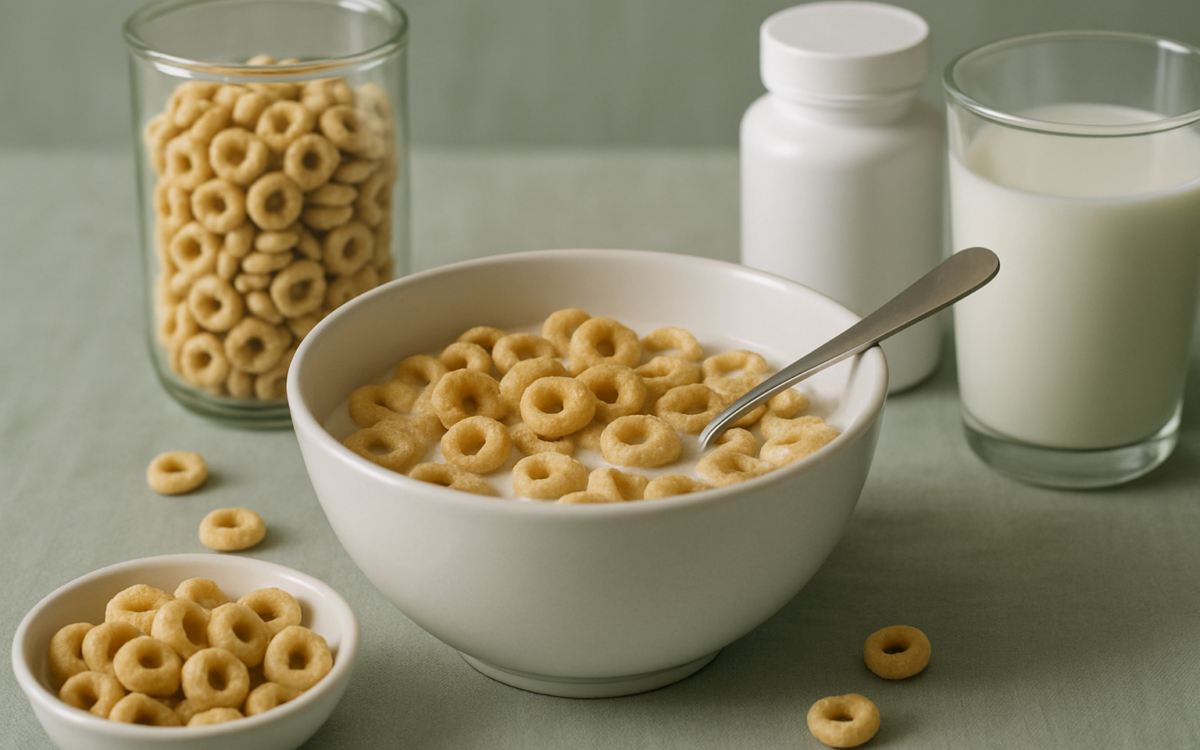
Many of us start our day with a bowl of cereal. While it may seem like a simple breakfast choice, not all cereals are created equal. Enter fortified cereals, a popular option that promises added nutrients to enhance your morning meal. But what exactly are fortified cereals, and how can they benefit your health? Let’s dive into the nutritious world of fortified cereals and explore what they offer.
What Are Fortified Cereals?
Fortified cereals are breakfast options that have been enhanced with additional vitamins and minerals. These nutrients are added during the manufacturing process to help people get essential nutrients that may be lacking in their diet. Common fortifications include iron, calcium, and various B vitamins such as folic acid and thiamine. The goal is to support overall health, especially in populations that may not consume enough essential nutrients.
The Nutritional Power of Fortified Cereals
One of the primary benefits of fortified cereals is their ability to provide important nutrients in one convenient serving. Here are a few key components:
- Iron: Vital for red blood cell production, iron deficiency can lead to anemia and fatigue. Many fortified cereals offer a significant amount of iron, helping individuals, especially women and children, meet their daily needs.
- Vitamins: Fortified cereals often contain a variety of essential vitamins, including B vitamins like folic acid. Folic acid is especially important for pregnant women, as it can help prevent neural tube defects in developing babies.
- Fiber: Many fortified cereals also offer a good source of fiber, promoting digestive health and keeping you full longer, which can support weight management.
Potential Benefits for Different Populations
The benefits of fortified cereals can vary depending on an individual’s dietary needs. Here are a few groups that can especially benefit:
Children
Fortified cereals can play a crucial role in helping children meet their nutritional needs. Young kids can be picky eaters, and incorporating fortified cereals into their diet can ensure they receive essential vitamins and minerals to support growth and development.
Pregnant Women
Pregnant women have increased nutritional requirements, particularly for folic acid to support fetal development. Many fortified cereals are a quick and tasty way for expectant mothers to boost their nutrient intake.
Elderly Individuals
As people age, their dietary preferences and needs change, and they might require more fortified foods to help meet their nutritional goals. Fortified cereals can be an easy way to ensure seniors get enough essential nutrients.
Choosing the Right Fortified Cereals
Not all fortified cereals are created equal. When selecting a cereal, pay attention to the following factors:
- Check the Label: Look for cereals that indicate they are fortified with specific vitamins and minerals. The label will also provide information about additional ingredients and the overall nutritional profile.
- Watch Out for Added Sugars: Some cereals may be heavily sweetened, which can counteract their health benefits. Aim for options low in added sugars to maximize your nutrient intake.
- Serving Size: Be mindful of the serving size listed on the package. It’s easy to underestimate portion sizes, which can impact your overall nutrient consumption.
Comparing Fortified Cereals with Other Breakfast Options
When considering breakfast choices, it’s helpful to compare fortified cereals with other popular options:
Oatmeal
Oatmeal is a fantastic whole grain choice that offers fiber and various nutrients. However, while it may be naturally nutritious, it typically lacks the added vitamins and minerals found in many fortified cereals.
Granola
Granola can be a delicious and nutritious option, but many commercial granolas contain high levels of added sugars and unhealthy fats. When opting for granola, look for unsweetened or low-sugar varieties, and compare the nutritional content with fortified cereals.
Smoothies
Smoothies can be a great way to combine fruits, vegetables, and protein sources. However, they may not always provide the concentrated vitamins and minerals that fortified cereals offer in a single serving.
Storing and Preparing Fortified Cereals
Properly storing and preparing your fortified cereals can help maximize their freshness and nutritional value. Here are some tips:
- Storage: Keep cereals in a cool, dry place, ideally in an airtight container to maintain crispness and prevent spoilage.
- Preparation: For a nutritious boost, consider adding fresh fruits, nuts, or yogurt to your cereal. These additions can enhance flavor and provide even more nutrients.
- Serving Suggestions: Experiment with different ways to enjoy fortified cereals—consider using them as a topping for baked goods, or incorporate them into snack bars for added crunch.
When to See a Doctor
If you have concerns about your diet or nutritional intake, it’s important to consult your healthcare provider. They can offer personalized advice based on your individual needs and circumstances.
Conclusion
Fortified cereals can be a valuable addition to your daily diet, providing essential nutrients that support overall health. By understanding what to look for in fortified cereal options, you can make informed choices that enhance your breakfast routine. Remember to enjoy cereals as part of a balanced diet—including fruits, vegetables, whole grains, and proteins—for optimal health.
