
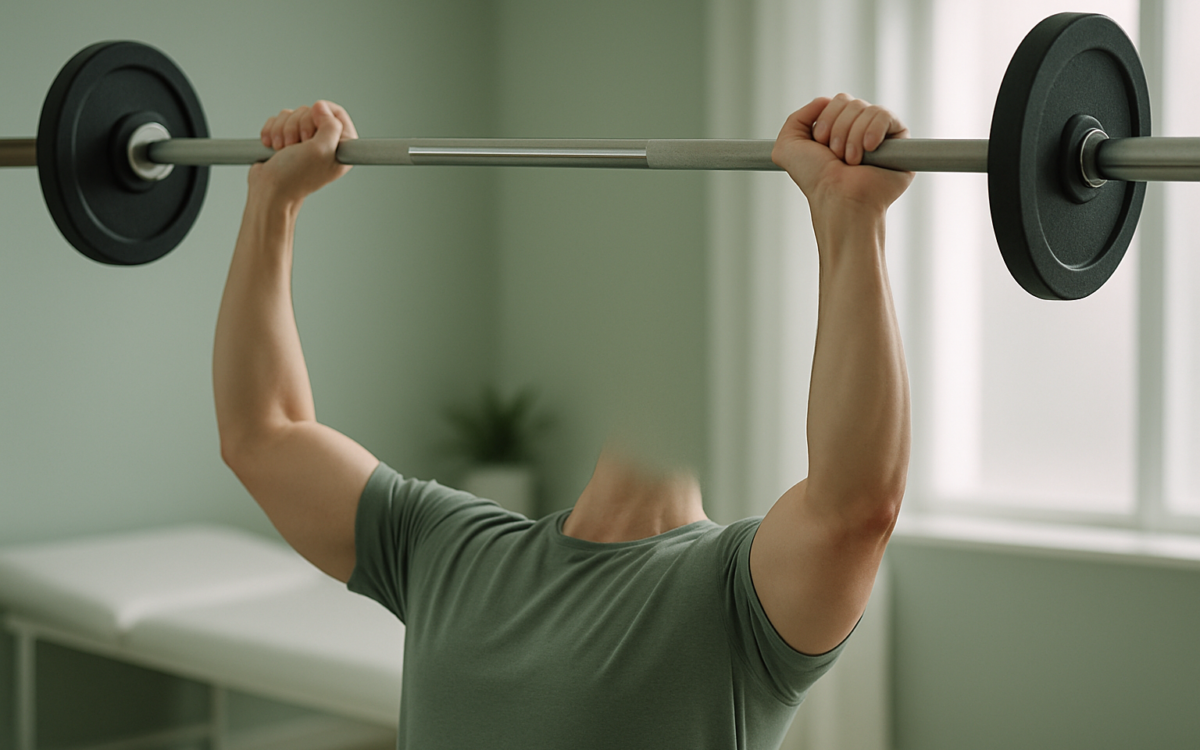
The overhead press with a bar is one of the most effective exercises for building shoulder strength and overall upper body power. Not only does it engage multiple muscles, but it also promotes good posture and stability. Whether you’re new to strength training or looking to refine your technique, understanding the ins and outs of this exercise is vital. Below, we’ll explore how to perform the overhead press correctly, its benefits, common mistakes, and tips for safety.
Understanding the Overhead Press
The overhead press, often referred to as the shoulder press, primarily targets the deltoid muscles, but it also works the triceps, upper chest, and core. Performing this lift not only builds muscle but can also improve functional strength, making everyday activities easier.
Proper Technique for the Overhead Press
Executing the overhead press with a bar correctly is essential for maximizing benefits and preventing injury. Here’s a step-by-step guide:
- Warm-Up: Always start with a warm-up. Spend at least 5-10 minutes doing dynamic stretches, focusing on your shoulders and overall upper body.
- Starting Position: Stand with your feet shoulder-width apart. Grip the barbell slightly wider than shoulder-width. The bar should rest on your upper chest, elbows slightly in front of the bar.
- Engage Your Core: Keep your core tight to stabilize your body. Engage your back muscles as well for added support.
- The Lift: Press the bar straight up over your head. Your elbows should lock out at the top, but avoid hyperextending them. Ensure your head remains neutral and does not jut forward.
- Lower the Bar: Slowly lower the bar back to your upper chest, maintaining control throughout the motion.
- Repetitions: Aim for 3-4 sets of 8-12 repetitions, depending on your fitness level.
Benefits of the Overhead Press
This exercise offers numerous advantages. Here are some key benefits:
- Increased Shoulder Strength: The overhead press builds muscle in the shoulders, improving strength for other exercises and daily activities.
- Enhanced Core Stability: The need to stabilize your body while lifting translates to greater core strength.
- Improved Posture: The overhead press helps strengthen the upper back, contributing to better posture.
- Functional Fitness: This lift mimics movements you perform in daily life, enhancing your overall functional fitness.
Common Mistakes to Avoid
As with any exercise, common mistakes can lead to ineffective workouts or, worse, injury. Here are a few to watch out for:
- Using Too Much Weight: It’s important to choose a weight that allows you to maintain proper form. Lifting too heavy can compromise your technique.
- Arching Your Back: Avoid excessive arching to prevent strain on your lower back. Engage your core and keep a straight posture.
- Letting Your Elbows Flare: Keep your elbows slightly in front of the bar to maintain proper alignment and reduce shoulder strain.
- not Warming Up: Skipping warm-ups can lead to injuries. Always take a few minutes to properly prepare your muscles.
Variations of the Overhead Press
If you want to mix things up, consider these variations:
- Seated Overhead Press: This variation provides additional back support and can help focus on the shoulder muscles.
- Single-Arm Overhead Press: This challenges your core stability and helps strengthen any imbalances between your shoulders.
- Standing Dumbbell Press: Incorporating dumbbells can improve your range of motion and isolate each shoulder more effectively.
Tips for Safety and Success
To ensure a safe and effective workout, keep these tips in mind:
- Use a Spotter: Especially when lifting heavy weights, having a spotter can provide an extra layer of safety.
- Listen to Your Body: Pay attention to any discomfort or pain. If something feels off, stop and reassess your technique or the weight you’re using.
- Consult a Trainer: If you’re new to weightlifting, consider working with a certified trainer. They can provide personalized guidance and ensure you’re using the correct form.
When to See a Doctor
If you experience persistent pain or discomfort in your shoulders or back while performing the overhead press, it may be wise to consult a healthcare professional. Additionally, if you have a history of shoulder injuries or any underlying health conditions that could be aggravated by weightlifting, seeking medical advice is recommended. You can find more information on exercise safety from reputable sources such as the CDC or the NIH.
In conclusion, the overhead press with a bar is a powerful exercise that can enhance your strength, stability, and overall fitness. By mastering the proper technique and being mindful of common pitfalls, you can safely incorporate this lift into your workout routine. Always remember that consistency, proper form, and listening to your body are key components of successful strength training. Happy lifting!
