
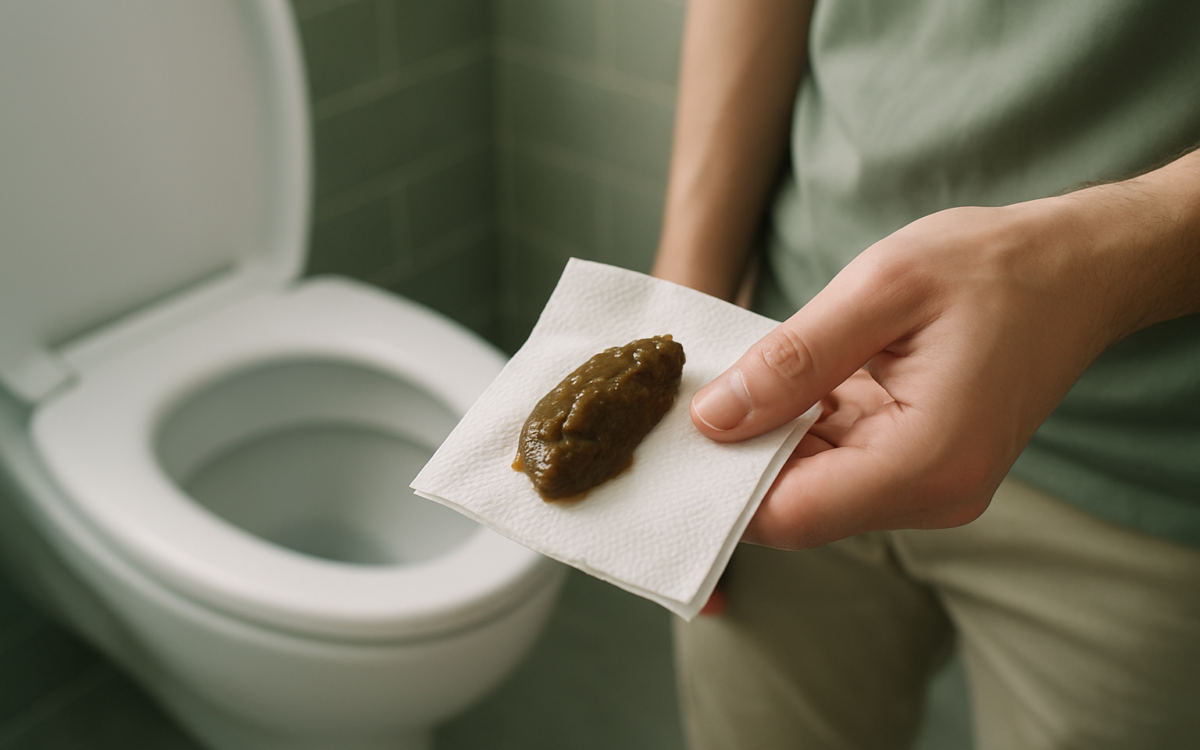
Have you ever noticed an unusual change in your stool? Perhaps it appears oily or has a greasy texture that leaves you wondering what could be wrong. Oily faeces—also known as steatorrhea—can be surprising and might raise concerns about digestive health. Understanding why this happens and when to seek help will empower you to take charge of your well-being.
What Are Oily Faeces?
Oily faeces are characterized by a noticeable greasy, fatty look and may float in the toilet water. They can have a foul smell and might be accompanied by other symptoms such as diarrhea, bloating, or abdominal cramps. While the occasional change in stool consistency is usually not a cause for concern, persistent greasy stools can signal an underlying issue with fat absorption in the body.
Understanding the Causes
Several factors can lead to the appearance of oily faeces, often linked to how your body processes fats. Here are some common reasons:
- Fat Malabsorption: The most significant cause of oily stools is fat malabsorption, where dietary fats are not adequately absorbed in the intestine. Conditions such as chronic pancreatitis, cystic fibrosis, and celiac disease disrupt fat digestion, leading to steatorrhea.
- Dietary Choices: A diet excessively high in fat or certain oils can overwhelm the body’s ability to absorb fats properly. Additionally, low-fat diets after a period of high-fat eating can also lead to changes in stool consistency.
- Intestinal Infections: Bacterial infections in the intestines, such as those caused by foodborne pathogens, may disrupt normal digestion and lead to the production of oily stools.
- Drug Side Effects: Some medications, especially those that inhibit fat absorption like orlistat, can result in oily stools. Always consult your doctor if you suspect your medication is affecting your digestion.
Symptoms of Oily Faeces
Recognizing the symptoms associated with oily stools can help you determine if it’s time to consult your healthcare provider. Symptoms may include:
- Greasy or oily appearance of stools
- Stools that float
- Foul-smelling stools
- Abdominal discomfort or cramping
- Diarrhea
- Bloating
Implications of Oily Faeces
Experiencing oily faeces might seem like a minor inconvenience, but it can indicate more serious underlying health issues. Aside from being a sign of fat malabsorption, oily stools can affect overall health, leading to nutritional deficiencies. Essential vitamins and nutrients, like vitamins A, D, E, and K, rely on fats for absorption, and persistent malabsorption can lead to various health problems.
Diagnosis and Testing
If you frequently experience oily faeces, your doctor may recommend a series of tests to diagnose the cause. These may include:
- Stool Tests: A stool sample can help determine the fat content and whether you are absorbing dietary fats adequately.
- Blood Tests: Blood tests can reveal underlying conditions such as liver disease or infections.
- Imaging Studies: In some cases, imaging tests like an abdominal ultrasound or CT scan might be necessary to investigate potential blockages or functional issues in the digestive tract.
Management and Lifestyle Adjustments
While understanding the cause of oily faeces is crucial, making simple lifestyle adjustments can often alleviate symptoms:
- Diet Modification: Reducing high-fat foods can help. Focus on a balanced diet rich in fruits, vegetables, grains, and lean proteins. Consulting a dietitian may also assist in planning meals that support digestive health.
- Hydration: Staying well-hydrated aids in overall digestion. Drink plenty of water and limit beverages high in sugar or caffeine.
- Medication Management: If you’re on medications that affect digestion, consult your doctor about alternatives or adjustments.
When to See a Doctor
If you notice oily faeces along with other troubling symptoms such as persistent diarrhea, significant weight loss, abdominal pain, or signs of dehydration, it is essential to consult a healthcare professional. Risk factors such as a family history of digestive disorders or significant dietary changes should also prompt a visit to your doctor.
Conclusion
Oily faeces can be an alarming symptom, but understanding its causes and implications can help you address potential health concerns. While some dietary changes and lifestyle adjustments may alleviate symptoms, always consult a healthcare professional for a comprehensive evaluation. Remember, taking proactive steps toward your digestive health can lead to better overall well-being.
