
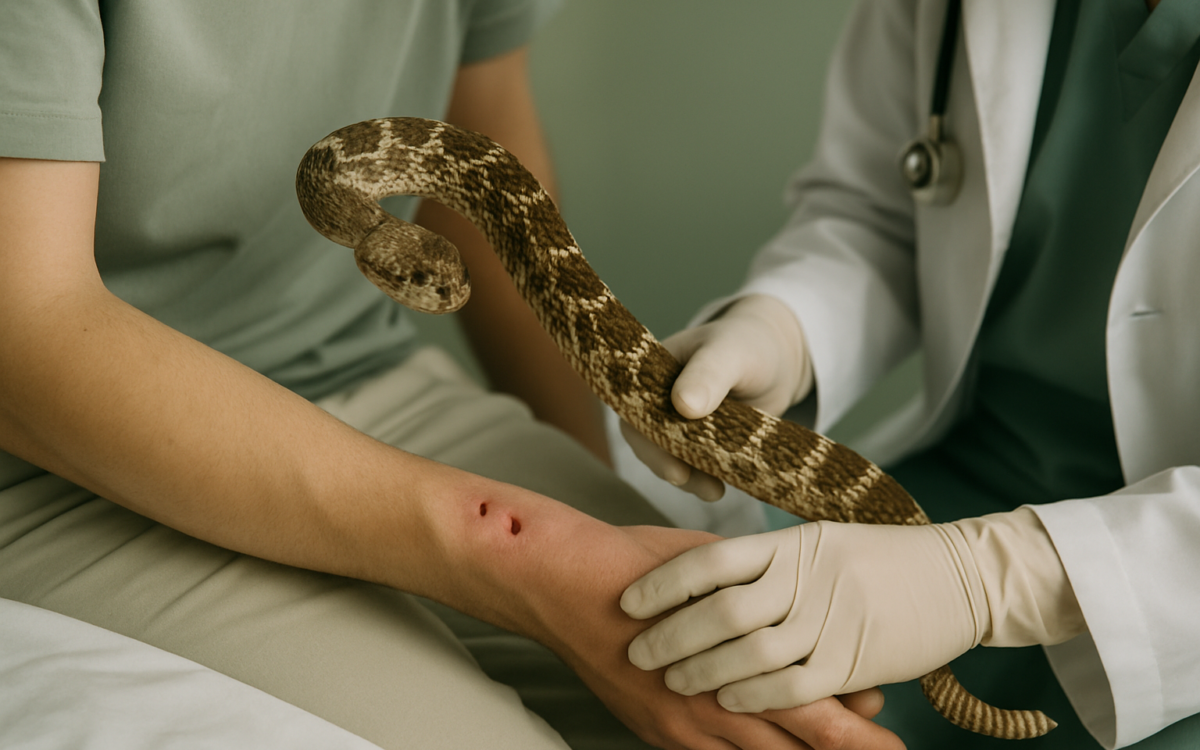
Rattlesnake bites can evoke fear, especially for those who enjoy outdoor activities in the regions where these snakes thrive. However, understanding these bites can empower you to respond effectively in case of an emergency. With the right knowledge, you can enjoy nature while minimizing risks. This guide covers what you need to know about rattlesnake bites, including symptoms, treatment, and prevention strategies.
What Is a Rattlesnake Bite?
A rattlesnake bite occurs when a rattlesnake injects venom into a person or animal through its fangs. These snakes are typically found in various parts of the Americas, particularly in the western and southeastern United States. Venomous snake bites can be serious, and prompt attention is vital.
Types of Rattlesnake Venom
Rattlesnake venom can vary widely among species, as different rattlesnakes have unique venom compositions. Generally, rattlesnake venom includes:
- Cytotoxins: These toxins damage cells and tissues, causing swelling and pain in the affected area.
- Neurotoxins: These affect the nervous system and can lead to paralysis if not treated.
- Hemotoxins: Hemotoxins target the blood and can lead to internal bleeding and low blood pressure.
The severity of the bite and symptoms often depend on factors like the amount of venom injected and the location of the bite. Fortunately, rattlesnake bites can be treated effectively with appropriate medical care.
Recognizing Symptoms of a Rattlesnake Bite
Immediate symptoms after a rattlesnake bite may include:
- Pain at the bite site, often severe.
- Swelling and bruising around the area.
- Discoloration or changes in skin color.
- Difficulty breathing or swallowing (in severe cases).
- Nausea and vomiting.
- Tingling or numbness.
These symptoms can vary, but the appearance of two puncture wounds, often surrounded by swelling and discoloration, is typically indicative of a rattlesnake bite. Even if the symptoms seem mild, do not underestimate the potential seriousness of any snake bite.
First Aid for Rattlesnake Bites
Knowing what to do immediately after a rattlesnake bite can be crucial. Follow these basic first aid steps:
- Remain calm and try to keep the affected limb still and below heart level to slow the spread of venom.
- Remove any tight clothing or jewelry from around the bite site to allow for swelling.
- Avoid using a tourniquet, cutting the wound, or trying to suck out the venom.
- Do not apply ice or heat to the bite area.
- Seek medical attention promptly, even if symptoms seem mild.
Always remember that the best response to a rattlesnake bite is to get to a medical facility quickly. Hospitals have the necessary treatments, including antivenom, to address the situation effectively.
Getting Medical Help
If bitten by a rattlesnake, it is essential to seek medical attention no matter how you feel at the moment. Medical professionals will undertake a thorough evaluation of your condition and may administer:
- Antivenom: This is formulated to counteract the effects of snake venom and can significantly reduce symptoms and complications.
- Pain management: Medications will be provided to manage pain effectively.
- Monitoring: Your vital signs will be monitored to ensure your health remains stable throughout treatment.
The ultimate goal of medical treatment is to reduce the risk of severe complications and ensure a full recovery.
Preventing Rattlesnake Bites
Taking precautions can help minimize the risk of rattlesnake bites, especially if you enjoy hiking or spending time outdoors. Here are some preventative measures:
- Stay on designated trails when hiking and avoid tall grass or areas with dense vegetation.
- Wear sturdy, high-top boots and long pants when walking in rattlesnake habitats.
- Be aware of your surroundings and watch where you step or place your hands.
- Use a flashlight during nighttime outings, as many rattlesnakes are more active in the evening.
- Teach children about snake safety and what to do if they encounter a snake.
Being aware of your environment is key to avoiding rattlesnake encounters and bites.
When to See a Doctor
If you or someone else suffers a rattlesnake bite, seek emergency medical assistance immediately, especially if you observe symptoms like difficulty breathing, severe swelling, or if the bite is accompanied by other concerning signs. Timely intervention is essential for the best possible outcome.
Conclusion
Rattlesnake bites can be alarming, but understanding them empowers you to act appropriately. Knowing the symptoms, first aid measures, and prevention techniques can significantly reduce risks. While rattlesnake bites are serious, prompt medical care and awareness are crucial in ensuring safety during outdoor adventures. For more detailed information, consider consulting reputable sources like the CDC or the Mayo Clinic.
