
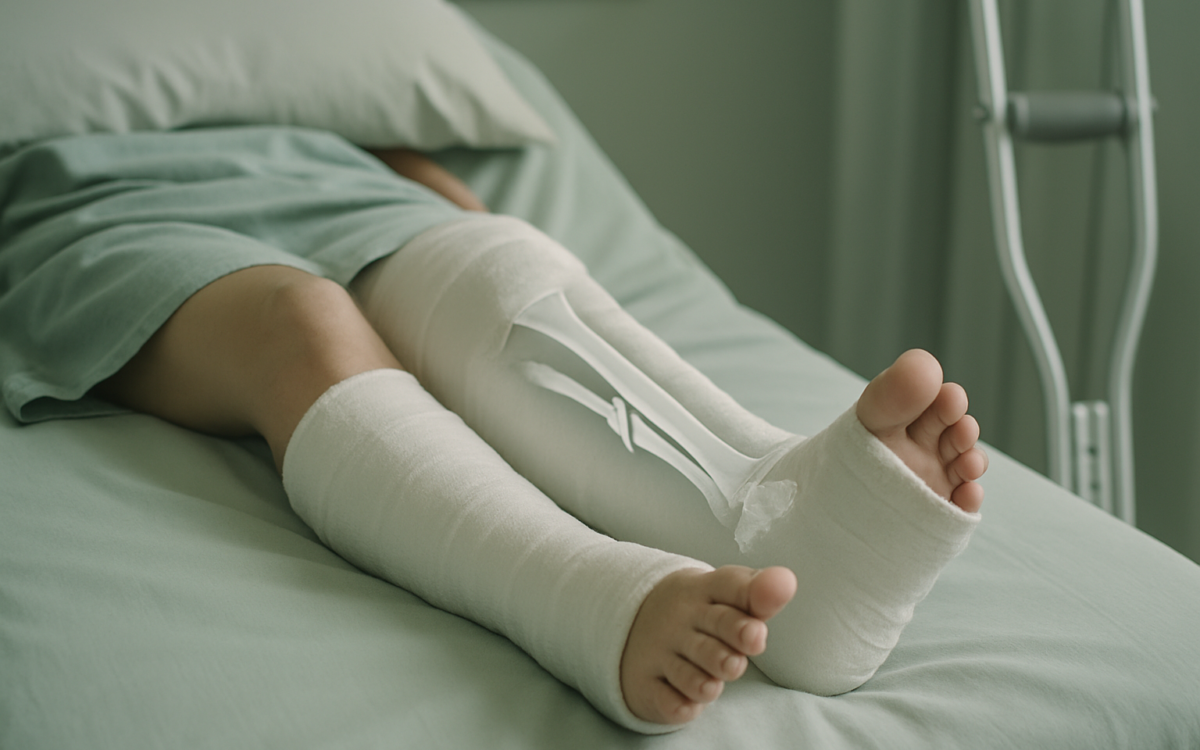
Breaking a leg can be a shocking experience, both physically and emotionally. Leg bones are important for mobility and carrying our weight, so when they break, it can impact various aspects of life. Fortunately, understanding the types of fractures, their causes, symptoms, and the healing process can empower you to respond appropriately and encourage a smooth recovery.
Common Types of Leg Bone Fractures
The leg consists of several bones, including the femur (thigh bone), tibia (shin bone), and fibula (the smaller bone next to the tibia). Each bone can be broken in different ways:
- Transverse Fracture: This type of fracture has a horizontal break across the bone.
- Oblique Fracture: This is a diagonal break across the bone, often as a result of a sudden twist.
- Comminuted Fracture: A highly fragmented fracture where the bone shatters into multiple pieces.
- Greenstick Fracture: Common in children, this is an incomplete fracture where the bone bends and partially breaks.
Causes of Leg Bone Fractures
Leg fractures can happen for various reasons. Understanding these can help you prevent injuries in the future:
- Trauma: This includes falls, car accidents, or sports injuries, which are the most common causes of leg fractures.
- Osteoporosis: This condition weakens bones, making them more susceptible to fractures even with minor stress or falls.
- Overuse: Repetitive activities, particularly in athletes, can lead to stress fractures, especially in younger individuals.
Recognizing Symptoms of a Broken Leg
If you suspect a leg bone is broken, it is essential to recognize the symptoms:
- Pain: Severe and immediate pain at the site of the fracture, which may worsen with movement.
- Swelling: Visible swelling or bruising around the injury.
- Deformity: In some cases, the leg may look misshapen or out of alignment.
- Inability to bear weight: You may not be able to walk or put weight on the affected leg.
The Healing Process and Recovery
Understanding the healing process can ease concerns about recovery. The recovery time for broken leg bones varies depending on many factors, such as the type of fracture and the individual’s overall health. Here’s a rough outline:
Initial Treatment
If a fracture is suspected, initial treatment usually involves immobilizing the leg, often using a splint or cast. Ice packs may also help reduce swelling. Pain relief medications might be prescribed to alleviate discomfort.
Healing Time
Most leg fractures take roughly 6 to 8 weeks to heal, but this can vary:
- Stable fractures: Typically heal faster, often within 6 weeks.
- Severe fractures: May require surgical intervention, extending the healing period to 10 weeks or more.
Rehabilitation
Once the bone has healed sufficiently, rehabilitation exercises may be necessary to restore strength and mobility. This often includes physical therapy, which focuses on gradual weight-bearing activities and exercises tailored to rebuild strength.
Precautions and Preventive Measures
Taking proactive steps can significantly reduce your risk of leg fractures:
- Stay active: Regular exercise can help maintain bone density and strength.
- Nutrition: Ensure you’re getting sufficient calcium and vitamin D in your diet, which are vital for bone health.
- Safety gear: Wear appropriate gear during sports or activities that pose a risk of falls or trauma.
When to See a Doctor
If you suspect that your leg bone is broken, seeing a healthcare provider promptly is crucial. Seek immediate medical attention if:
- You experience severe pain that limits your ability to move the leg.
- The leg looks deformed or is out of alignment.
- You have significant swelling or bruising.
Conclusion
Leg bones broken are a common occurrence that can happen to anyone at any time. While they can be painful and may require long recovery, understanding the types of possible fractures, recognizing the symptoms, and seeking timely medical advice can make a significant difference in outcomes. Proper care and preventive measures can keep your bones healthy and reduce the risk of fractures in the future. Remember, if you ever have doubts or concerns about your injury, reaching out to a healthcare professional is always the best course of action. Learn more about fractures at CDC or Mayo Clinic.
