
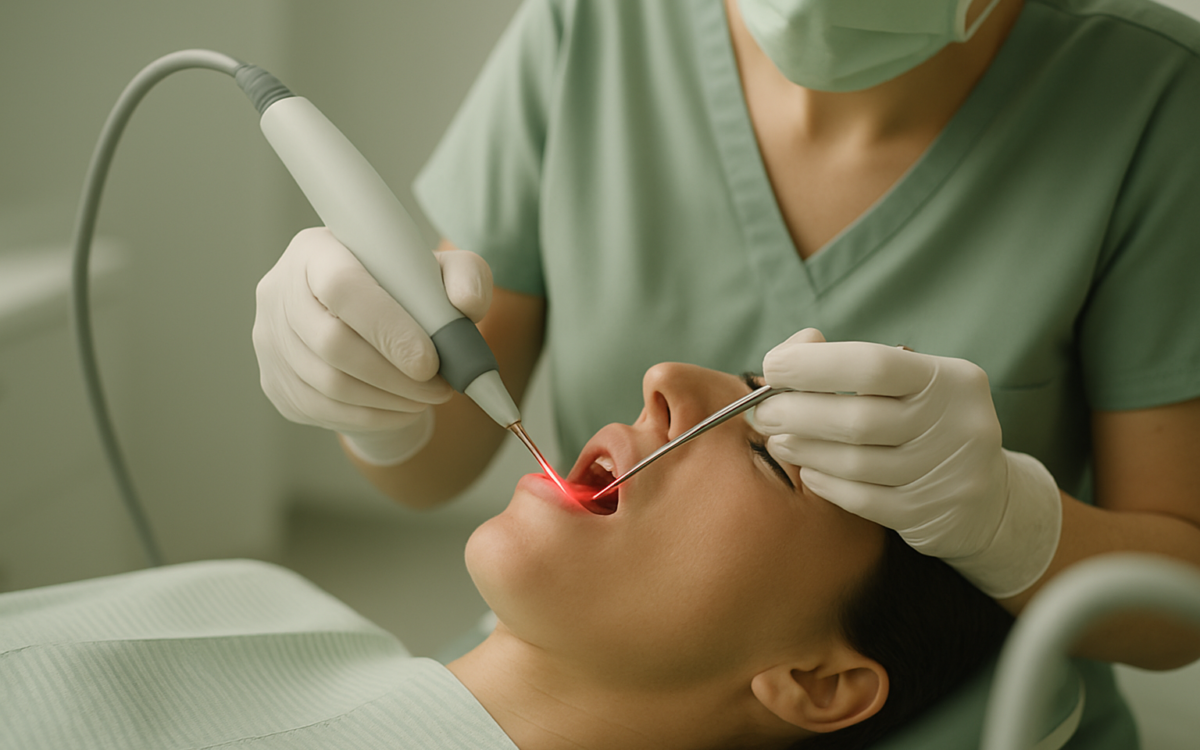
Laser dentistry has emerged as a groundbreaking approach in the dental field, combining technology with comfort. With laser treatments becoming more popular, many patients are curious about how lasers can improve their dental health. This innovative method offers a range of benefits that traditional methods may lack, potentially changing the way we think about dental procedures.
What is Laser Dentistry?
Laser dentistry utilizes focused light beams to perform various dental procedures. The word ‘laser’ stands for Light Amplification by Stimulated Emission of Radiation. This technology was first introduced in the 1960s and has since evolved, becoming a game-changer in modern dentistry.
Lasers can be employed for a variety of treatments in dental care, including:
- Teeth whitening
- Cavity detection and treatment
- Gum disease treatment
- Soft tissue procedures
- Surgical procedures
With lasers, dentists can perform procedures with precision, often requiring less anesthetic and resulting in quicker recovery times.
Types of Dental Lasers
There are two primary types of lasers used in dentistry:
- Hard Tissue Lasers: These are primarily used for procedures involving teeth and bone. For example, they can cut through enamel when treating cavities.
- Soft Tissue Lasers: These are used for procedures involving gums and other soft tissues in the mouth. They are highly effective in procedures like gum reshaping or treatment for canker sores.
Different lasers may serve specific purposes, but they all focus on enhancing patient comfort and enhancing treatment results.
Benefits of Laser Dentistry
Laser dentistry offers several advantages compared to traditional dental methods:
- Minimal Discomfort: Many patients report less pain and anxiety during laser treatments compared to traditional methods, sometimes reducing the need for anesthesia.
- Precise Treatment: Lasers target specific areas without damaging surrounding tissues, promoting faster healing.
- Reduced Bleeding and Swelling: The laser’s heat coagulates blood vessels, leading to less bleeding during procedures and faster recovery.
- Lower Risk of Infection: Lasers emit a wavelength that can kill bacteria, improving the chances of a successful treatment.
- Versatility: Lasers can be used for various procedures, making them a valuable tool in a dentist’s arsenal.
These benefits contribute to a more positive experience for patients, making dental visits less daunting.
Common Procedures Performed with Lasers
Laser dentistry can be used for several standard dental procedures, each with unique benefits:
- Cavity Treatment: Lasers can detect and remove decay with precision, reducing discomfort and enhancing recovery time.
- Gum Reshaping: Dentists can use lasers to sculpt the gum line, improving the appearance of a patient’s smile without the need for traditional surgical techniques.
- Frenectomy: A frenectomy is where a small piece of tissue is removed. Lasers can efficiently treat this condition, minimizing discomfort and recovery time.
- Root Canal Therapy: Lasers can be used for disinfection within the root canals, reducing treatment time and improving efficacy.
Each procedure illustrates how laser technology enhances traditional dental care, making it safer and more efficient.
What to Expect During a Laser Dental Procedure
When visiting a dentist for a laser procedure, understanding what to expect can ease anxiety:
- **Consultation:** Your dentist will discuss your procedure, outlining what it entails and what benefits to expect.
- **Preparation:** Depending on the procedure, your dentist may apply a topical anesthetic to the treatment area.
- **Procedure:** Lasers are used to perform the intended treatment. Many report feeling little to no discomfort during this phase.
- **Post-Treatment Care:** Dentists may provide specific aftercare instructions, but the recovery period is typically short.
Understanding these steps can help demystify the process and make your experience less stressful.
When to See a Doctor
If you are experiencing dental issues, it is essential to consult a dentist about your options. Signs you should seek help include:
- Persistent tooth pain or sensitivity
- Swollen or bleeding gums
- Difficulty chewing or swallowing
- Visible cavities
A dental professional can determine whether laser dentistry or another treatment is right for you.
In conclusion, laser dentistry offers innovative solutions for dental care, providing patients with a more comfortable and efficient experience. As technology evolves and more dentists adopt this technique, the future of dentistry looks brighter. If you’re considering dental procedures, discussing laser options with your dentist could lead to a more positive and effective treatment journey.
