
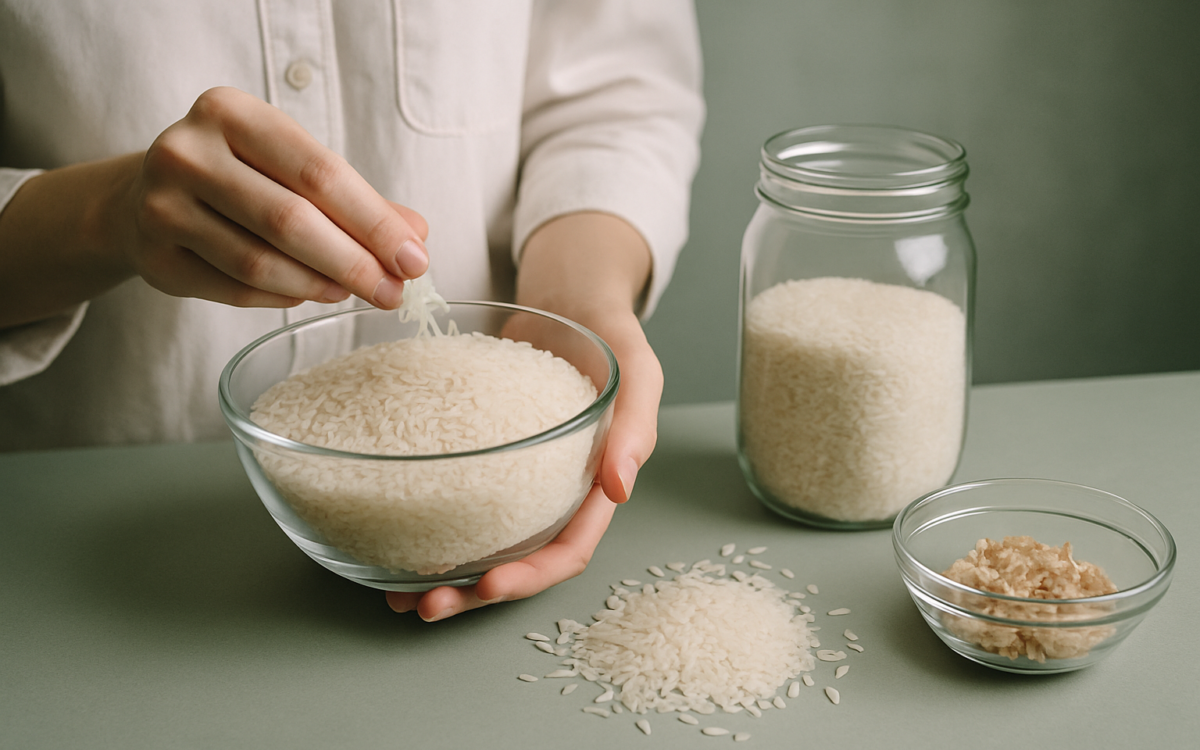
Rice is a staple food in many households around the world. It is versatile, affordable, and easy to prepare. But like all foods, you might wonder: does rice go bad? Understanding the factors that affect rice’s shelf life and proper storage techniques can help you make the most of this pantry essential.
The shelf life of rice
Rice comes in different varieties, and its shelf life can vary accordingly. Uncooked rice can be categorized into several types:
- White rice: This type has a long shelf life and can last for years if stored correctly.
- Brown rice: Due to its higher oil content, brown rice has a shorter shelf life and is best consumed within six months to a year.
- Wild rice: Although not technically rice, wild rice can last about four to five years when stored properly.
Generally, uncooked white rice can last indefinitely if kept in a cool, dry place, while brown rice lasts up to six months to one year. Cooked rice has a much shorter shelf life and should ideally be consumed within 4 to 7 days if stored in the refrigerator.
Factors affecting rice spoilage
Several factors influence whether rice goes bad, including moisture, temperature, and exposure to air. Here’s a breakdown of these factors:
- Moisture: Rice absorbs moisture from the air, which can promote mold and bacterial growth. Keeping rice in an airtight container in a dry location will help prolong its shelf life.
- Temperature: Storing rice at room temperature is suitable for uncooked varieties, but cooked rice should be stored in the refrigerator to inhibit bacteria growth.
- Air exposure: Air can carry moisture and contaminants. An airtight container can help avoid exposure and keep rice fresher for longer.
Pay attention to these elements when storing your rice, especially if you live in a humid environment.
Signs that rice has gone bad
How can you tell if rice has spoiled? Here are some signs to watch for:
- Off smell: Fresh rice should have a neutral scent. A rancid odor can indicate spoilage, especially for brown rice.
- Changes in color: Discoloration, especially dark spots or a yellow tint in white rice, may be a sign of mold or spoilage.
- Insects or pests: Finding any bugs in your rice is a clear sign it should be discarded.
- Mold growth: If you spot any visible mold on cooked rice, it is time to throw it away.
If you notice any of these signs, it’s best to err on the side of caution and dispose of the rice. Consuming spoiled rice can lead to foodborne illnesses.
Proper storage methods for rice
To maximize the shelf life of rice, follow these storage tips:
- Uncooked rice: Store uncooked rice in a cool, dry place, away from direct sunlight. Using airtight containers can help protect against moisture and pests.
- Cooked rice: Cooked rice should be cooled as quickly as possible. Store it in an airtight container and refrigerate. Consume it within 4 to 7 days.
- Freezing cooked rice: For longer storage, cooked rice can be frozen. Ensure it’s in a freezer-safe container and can last up to six months.
For those who may be traveling or living internationally, understanding these storage methods is crucial. Consider reaching out to international patient services if you’re unsure about food safety practices in different countries.
Cooking rice properly to reduce the risk of spoilage
Beyond storing rice correctly, preparing it safely is also essential. Here’s how to cook it safely:
- Wash before cooking: Rinsing rice before cooking helps remove excess starch and potential contaminants.
- Cook thoroughly: Ensure rice reaches a high enough temperature to kill potentially harmful bacteria.
- Cool quickly: After cooking, cool rice within two hours before refrigerating it to prevent bacterial growth.
Following these steps can significantly reduce the risk of foodborne illness and spoilage, ensuring your rice is safe to eat.
When to see a doctor
If you experience symptoms such as nausea, vomiting, diarrhea, or abdominal pain after consuming rice, seek medical attention. Foodborne illnesses can lead to dehydration and serious health issues if not addressed promptly.
Overall, understanding how and when rice goes bad can help you avoid waste and health risks. Remember to store it properly, check for signs of spoilage, and cook it safely to ensure you enjoy this versatile food without worry.
