
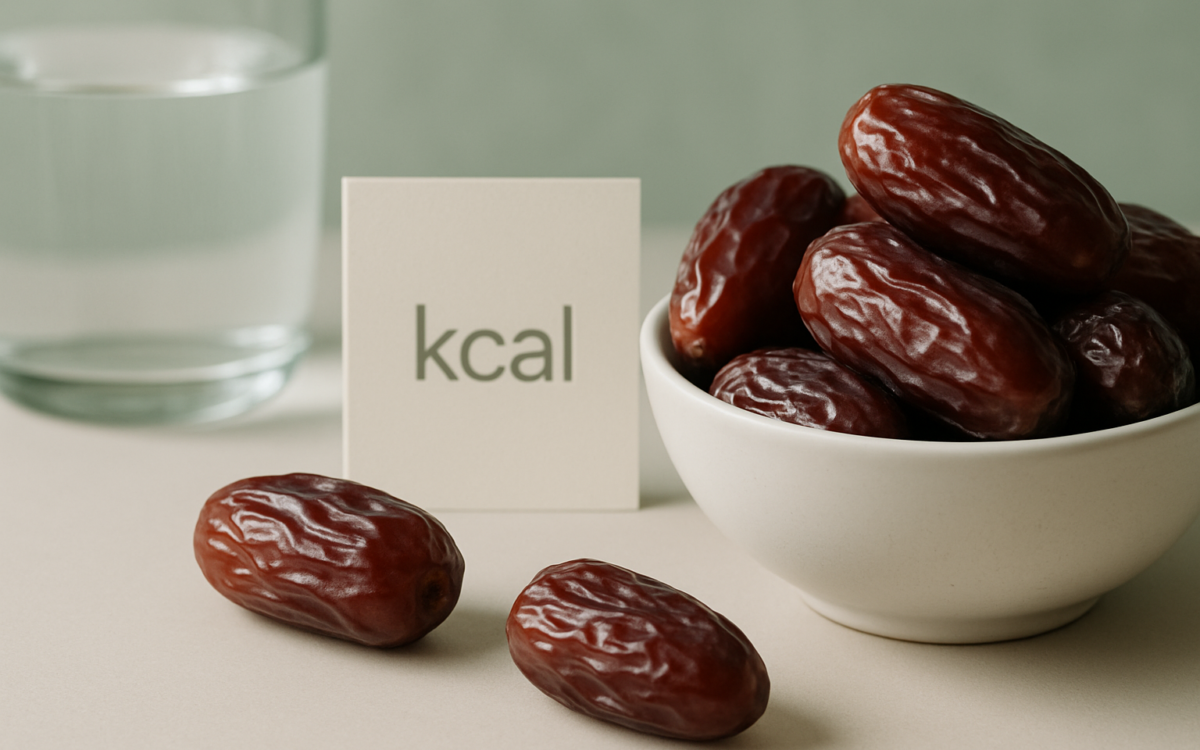
Dates are not just a sweet treat; they are a nutritional powerhouse packed with vitamins and minerals. Often considered nature’s candy, these fruits have gained popularity for their health benefits and unique flavor. In this article, we’ll explore the kcal content of dates, their nutritional value, health benefits, and more, making it easier to include this superfood in your diet.
What are Dates?
Dates come from the date palm tree, primarily found in Middle Eastern countries, though they are now cultivated in many parts of the world. These small, oval-shaped fruits come in various varieties, with Medjool and Deglet Noor being among the most popular. Dates are known for their natural sweetness and chewy texture, making them perfect for snacking or adding to recipes.
Caloric Content of Dates
Understanding the caloric content of dates can help you enjoy them without guilt. On average, one Medjool date (about 24 grams) contains approximately 66 calories. Here’s a quick breakdown of calorie counts for some common varieties:
- Medjool date: 66 kcal per date
- Deglet Noor date: 20 kcal per date
- Barhi date: 42 kcal per date
Because of their higher sugar content, dates are energy-dense, meaning they pack more calories into a smaller volume compared to other fruits. However, their natural sugars come with health benefits and important nutrients.
Nutritional Value of Dates
Dates are not just calories; they are also rich in essential nutrients. A serving of Medjool dates provides:
- Fiber: 1.6 grams
- Potassium: 167 mg
- Magnesium: 15 mg
- Vitamin B6: 0.2 mg
- Iron: 0.2 mg
- Antioxidants, including flavonoids and carotenoids
These nutrients contribute to overall health, aiding digestion, heart health, and even bone and muscle function. The high fiber content makes dates a great option for promoting digestive health, helping to prevent constipation and keeping your gut healthy.
Health Benefits of Dates
The health benefits of dates are vast, making them a worthy addition to your diet. Here are some of the most notable benefits:
1. Rich in Antioxidants
Dates contain powerful antioxidants, such as flavonoids and carotenoids, which can help reduce inflammation in the body. These antioxidants help combat oxidative stress and may lower the risk of chronic diseases, such as heart disease and certain cancers. For more on antioxidants, check out this article from NIH.
2. Natural Energy Boost
The natural sugars in dates, including glucose, fructose, and sucrose, provide a quick energy boost, making them an excellent snack before or after workouts. Athletes often turn to dates for a fast source of energy without the need for processed sugars.
3. Heart Health
Due to their potassium and magnesium content, dates can contribute to heart health. Potassium helps manage blood pressure, while magnesium regulates heart function. Regular consumption can support cardiovascular health. To learn more about heart-healthy foods, visit the Mayo Clinic.
4. Bone Health
Dates provide minerals essential for maintaining strong bones, including calcium, phosphorus, and magnesium. Regularly including dates in your diet could help improve bone density and reduce the risk of osteoporosis.
How to Incorporate Dates into Your Diet
Incorporating dates into your diet is simple and delicious. Here are some creative ways to enjoy them:
- Add chopped dates to oatmeal or yogurt for natural sweetness.
- Blend dates into smoothies for a creamy texture and energy boost.
- Use dates in energy balls or bars, combining them with nuts and seeds.
- Stuff dates with nuts or cream cheese for a tasty appetizer.
- Use chopped dates in salads for added sweetness and texture.
Whether as a snack or in recipes, dates can easily fit into a balanced diet.
Are There Any Risks Associated with Eating Dates?
While dates are nutritious, they are also high in sugar and calories, so moderation is crucial. Overeating dates can contribute to weight gain or spikes in blood sugar, especially for those with diabetes. Furthermore, some individuals may experience digestive discomfort if they consume too many dates due to their high fiber content.
If you have specific dietary concerns or conditions, consult with your healthcare provider for personalized advice.
When to See a Doctor
If you experience unusual gastrointestinal discomfort, blood sugar spikes, or other concerning symptoms after eating dates, it’s wise to consult your doctor. They can provide tailored guidance based on your health history and dietary needs.
In conclusion, dates are a sweet and nutritious addition to your diet, offering various health benefits. Their caloric content should be considered, but by incorporating them wisely, you can enjoy their many advantages. From improving digestion to providing energy, dates truly deserve a place in your pantry.
