
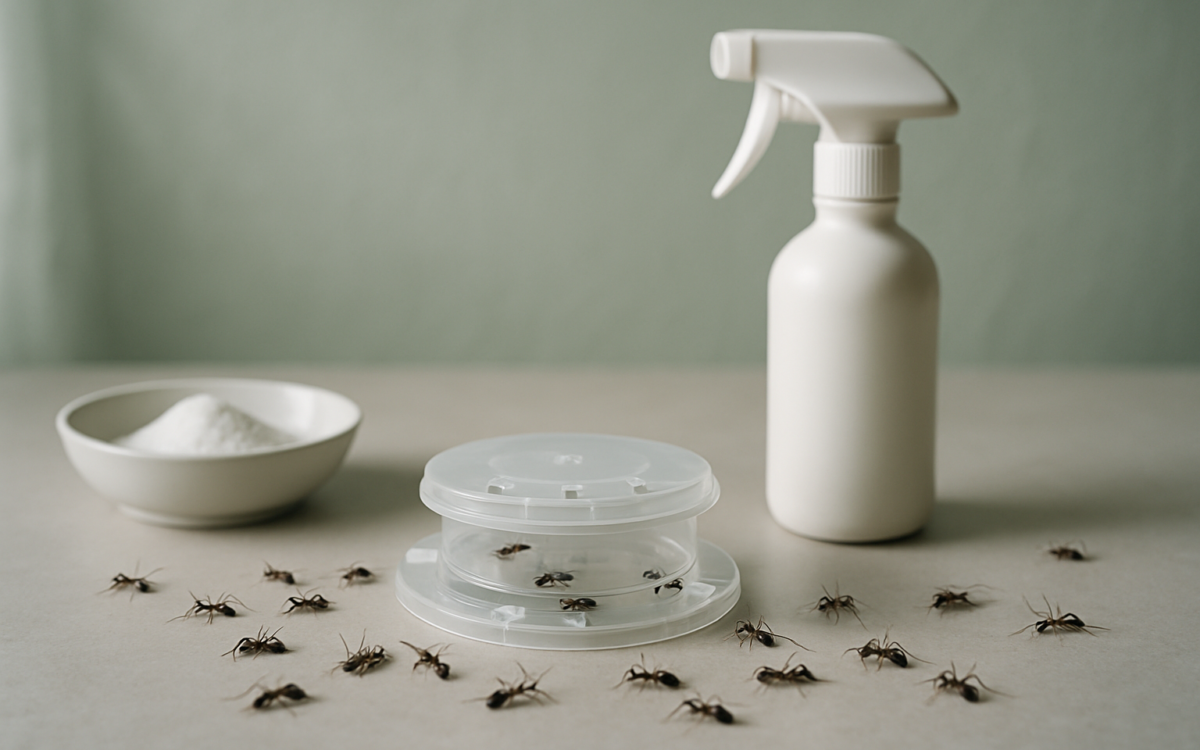
Ants can be a common nuisance in homes and gardens. While many people find them fascinating, their relentless colonies and foraging habits can become a problem. Understanding what kills ants and knowing the best methods to manage them can help keep your space comfortable without resorting to harmful chemicals. From natural remedies to professional pest control, let’s explore different approaches.
Understanding Ant Species
Before deciding on a method to kill ants, it’s important to recognize that not all ants are the same. There are over 12,000 species of ants worldwide, but only a few commonly invade homes. Some of the most notorious types include:
- Carpenter Ants: These can damage wood structures in your home.
- Argentine Ants: Known for their large colonies, they can be difficult to control.
- Pavement Ants: Frequently found in cracks in driveways, they can enter homes in search of food.
- Sugar Ants: Drawn to sweet substances, they can invade kitchens and pantries.
Identifying the species is crucial, as it will influence how you approach killing them.
Natural Solutions for Ant Control
If you’re looking for environmentally friendly options to eliminate ants, several natural remedies may be effective. These solutions are often less toxic and can help avoid potential harm to pets and children:
1. Vinegar Solution
Mix equal parts vinegar and water in a spray bottle. Spray the solution directly on the ants and in their trails. Ants are known to follow pheromone trails, and vinegar disrupts this scent marking.
2. Essential Oils
Some essential oils, such as peppermint, tea tree, and eucalyptus, act as natural repellents. Mix a few drops with water in a spray bottle and apply it to areas where ants are present. Ensure to test for sensitivity if you have pets.
3. Diatomaceous Earth
This powder, made from tiny fossilized aquatic organisms, can effectively kill ants by dehydrating them. Sprinkle food-grade diatomaceous earth around entry points and ant trails. It’s safe for pets and humans, as long as it is food-grade.
Chemical Control Methods
For more persistent ant problems, chemical solutions may be necessary. These methods should be used responsibly, keeping safety in mind:
1. Baits
Ant baits contain poison mixed with food. When ants take the bait back to their colony, it can kill the queen and other members over time. This method is effective because baits target the colony rather than just individual ants.
2. Sprays and Insecticides
Insecticide sprays can instantly kill ants on contact. However, these products often do not tackle the root of the problem—killing the colony. They should be used sparingly and with caution, ideally as a supplement to baiting.
3. Granules
Granular pesticides can be scattered along ant trails and entry points. They work slowly, allowing ants to carry the poison back to their nest. Like sprays, they should be applied with care to minimize risks to children and pets.
Prevention Tips to Keep Ants Away
Killing ants can be one part of the solution, but preventing them from coming back is equally important:
1. Seal Entry Points
Inspect your home for cracks, gaps, and holes where ants can enter. Use caulk or other materials to seal these areas.
2. Proper Food Storage
Store food in airtight containers and clean up spills immediately. Ants are attracted to food sources, so keeping your space tidy can deter them.
3. Eliminate Water Sources
Fix leaks and avoid leaving standing water in the kitchen or bathroom. Ants need water, and eliminating sources can make your home less appealing.
When to See a Doctor
While ant stings are usually not serious, certain individuals may have allergic reactions. If you experience significant swelling, difficulty breathing, or other severe symptoms following an ant sting, seek medical attention immediately.
Conclusion
Ants can be both intriguing and problematic. Knowing what kills ants and utilizing effective control methods can help manage their presence in your home. Whether you opt for natural solutions or chemical treatments, a combination approach often yields the best results. Remember, by preventing ants from entering your space in the first place, you can maintain a comfortable environment. If you find yourself dealing with a larger infestation, don’t hesitate to consult a pest control professional for guidance.
