
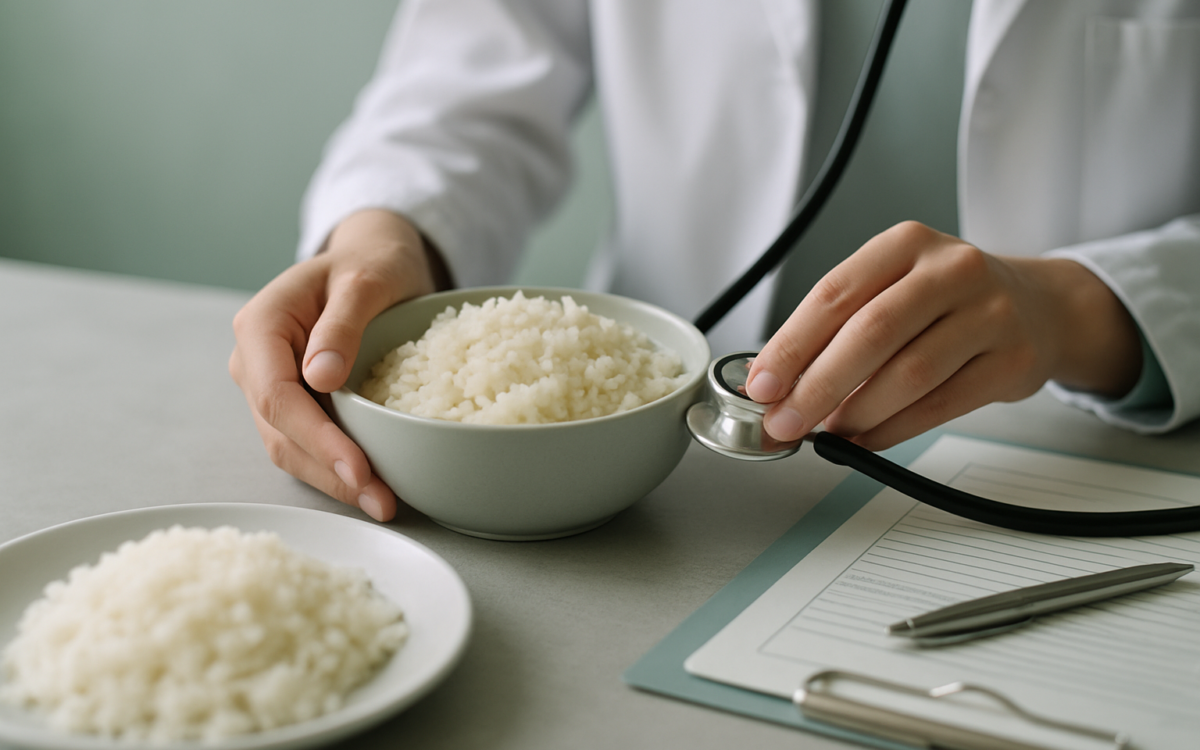
Jasmine rice, known for its fragrant aroma and soft texture, is a popular staple in many kitchens around the world. This variety of long-grain rice originates from Thailand and is often used in Southeast Asian cuisine. As more people turn to rice as a dietary staple, questions about its nutritional value and health impacts arise. So, is jasmine rice healthy? Let’s dive into its nutritional profile, benefits, and any concerns you may want to consider.
Nutritional profile of jasmine rice
Jasmine rice is primarily made up of carbohydrates, which are a key source of energy for our bodies. In a one-cup serving of cooked jasmine rice, you can generally expect:
- Calories: Approximately 205
- Carbohydrates: About 45 grams
- Protein: Around 4 grams
- Fat: Less than 1 gram
- Fiber: Less than 1 gram (in white jasmine rice)
Brown jasmine rice, on the other hand, retains the bran and germ layers, making it a more nutritious option. It usually contains more fiber, vitamins, and minerals compared to its white counterpart. Generally, brown jasmine rice has:
- Calories: Approximately 215
- Carbohydrates: About 45 grams
- Protein: Around 5 grams
- Fat: About 1.5 grams
- Fiber: About 3.5 grams
Health benefits of jasmine rice
While jasmine rice is often considered a simple carbohydrate, it does offer several health benefits, particularly when you opt for the brown variety. Here are some advantages:
1. Good source of energy
The carbohydrates found in jasmine rice provide a quick source of energy. This makes it an excellent choice for athletes or anyone engaging in physical activity.
2. Gluten-free option
For those with celiac disease or gluten sensitivity, jasmine rice is naturally gluten-free. This makes it a safe and healthy dietary choice for people avoiding gluten.
3. Nutrient-rich (especially brown rice)
Brown jasmine rice contains essential nutrients like magnesium, phosphorus, manganese, and B vitamins, which help support overall health. These nutrients are vital for processes such as energy production and maintaining a healthy immune system.
Potential concerns with jasmine rice
Despite the benefits, there are some considerations to keep in mind when consuming jasmine rice:
1. High glycemic index
White jasmine rice has a high glycemic index (GI) of about 68, which means it can cause a rapid spike in blood sugar levels. This can be a concern for individuals with diabetes or those monitoring their blood sugar.
2. Low fiber content
While brown jasmine rice is a better source of fiber, white jasmine rice is low in this critical nutrient. Fiber is essential for digestive health and can help manage weight. If you choose white jasmine rice, consider pairing it with high-fiber foods like vegetables or legumes.
Cooking and serving suggestions
Jasmine rice is versatile and can be prepared in numerous ways. Here are some suggestions for incorporating it into your diet:
- Stir-fries: Use jasmine rice as a base for stir-fried vegetables and proteins, adding sauces for flavor.
- Curries: Pair jasmine rice with your favorite curries to create a filling and flavorful meal.
- Salads: Mix cooled jasmine rice with beans, veggies, and vinaigrettes for a nutritious salad.
- International perspective: If you’re considering seeking international treatment for a health concern related to diet, exploring resources like acibademinternational.com can provide options that incorporate how different cultures utilize such staples.
Is jasmine rice part of a balanced diet?
The key to a healthy diet is balance. Jasmine rice can certainly have a place in your meals, especially if you pair it with lean proteins, healthy fats, and plenty of vegetables. To optimize its health benefits, focus on portion sizes and consider opting for brown jasmine rice over white. Including a variety of foods in your diet will ensure you receive a full spectrum of nutrients.
When to see a doctor
If you have specific dietary concerns or underlying health conditions, such as diabetes or gastrointestinal issues, it’s wise to consult a healthcare professional. They can provide personalized advice that considers your individual health needs and dietary restrictions.
To wrap it up, jasmine rice can be a healthy addition to your diet, especially when prepared and served thoughtfully. Consider your overall dietary habits and remember that moderation and balance are essential when it comes to enjoying this fragrant grain.
