
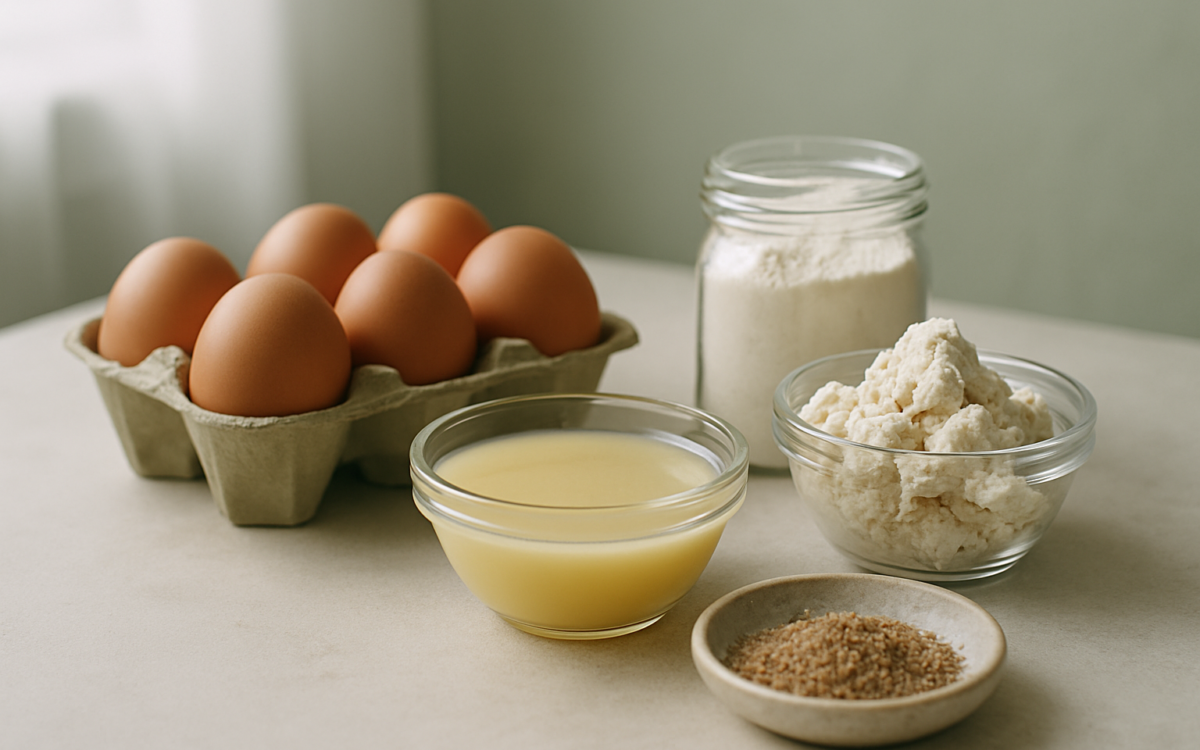
Eggs have long been a staple ingredient in many recipes, serving as a binder, leavening agent, and source of moisture. However, whether due to dietary restrictions, allergies, or personal beliefs, many people are seeking alternatives to eggs. Thankfully, there are numerous egg substitutes available that can provide similar functionality in cooking and baking. In this article, we’ll explore various egg substitutes, how they can be used, and what benefits they offer.
Why look for egg substitutes?
There are many reasons someone might want to replace eggs in their recipes. Some people follow a vegan lifestyle, avoiding all animal products. Others may have egg allergies or sensitivities, while some might be looking to reduce cholesterol or caloric intake. Regardless of the reason, finding suitable egg substitutes can lead to equally delicious culinary creations.
Common egg substitutes and how to use them
Here are some popular egg substitutes, along with details about how to use them:
1. Applesauce
Applesauce is a popular choice, especially in baked goods. It adds moisture and a hint of sweetness, making it ideal for muffins, cakes, and pancakes.
- How to substitute: Use 1/4 cup of unsweetened applesauce to replace one egg.
2. Flaxseeds
Ground flaxseeds are a great source of omega-3 fatty acids. When mixed with water, they form a gel-like consistency that mimics the binding properties of eggs.
- How to substitute: Mix 1 tablespoon of ground flaxseeds with 2.5 tablespoons of water and let it sit for about 5 minutes to thicken before using it as a substitute for one egg.
3. Chia seeds
Similar to flaxseeds, chia seeds can create a binder when mixed with water. They are rich in fiber and have a neutral flavor.
- How to substitute: Combine 1 tablespoon of chia seeds with 2.5 tablespoons of water, allowing it to sit for 5-10 minutes until it thickens, to replace one egg.
4. Silken tofu
Silken tofu offers a creamy texture and is an excellent descriptor in rich desserts. It’s packed with protein and can enhance the texture of certain dishes.
- How to substitute: Purée 1/4 cup of silken tofu to replace one egg in recipes like cheesecake or brownies.
5. Yogurt
Plain yogurt, including dairy or plant-based varieties, adds moisture along with a slight tang. It’s great in baked goods like loaves and muffins.
- How to substitute: Use 1/4 cup of yogurt to replace one egg in recipes.
Benefits of using egg substitutes
Opting for egg substitutes can offer a variety of benefits:
- Dietary preferences: Egg substitutes accommodate vegans and those allergic to eggs.
- Health considerations: Many substitutes, like chia seeds and flaxseeds, add nutritional value to your meals, contributing healthy fats and fiber.
- Creativity in cooking: Trying different substitutes can bring new flavors and textures to your dishes.
Considerations when using egg substitutes
While egg substitutes can work well in most recipes, it’s essential to understand that they may not be a one-to-one replacement in all scenarios:
- Texture and flavor: Some substitutes may alter the texture or flavor of the final product.
- Moisture content: When using wet substitutes like applesauce or yogurt, be conscious of the overall moisture in your recipe – you may need to adjust other ingredients.
- Cooking time: Baking times might vary with substitutes, so keep an eye on your dish as it cooks.
Conclusion
Finding suitable egg substitutes can open up a world of cooking opportunities, allowing everyone to enjoy delicious meals regardless of their dietary preferences or restrictions. From fruits to seeds and even dairy alternatives, there’s a perfect substitute for every recipe. Whether you’re experimenting with baking or cooking, these alternatives can help you create satisfying dishes that suit your needs.
When to see a doctor
If you suspect you have an egg allergy or experience any adverse reactions after consuming eggs, it’s essential to consult a healthcare professional. Understanding your dietary needs and any allergies is crucial for maintaining your health.
