
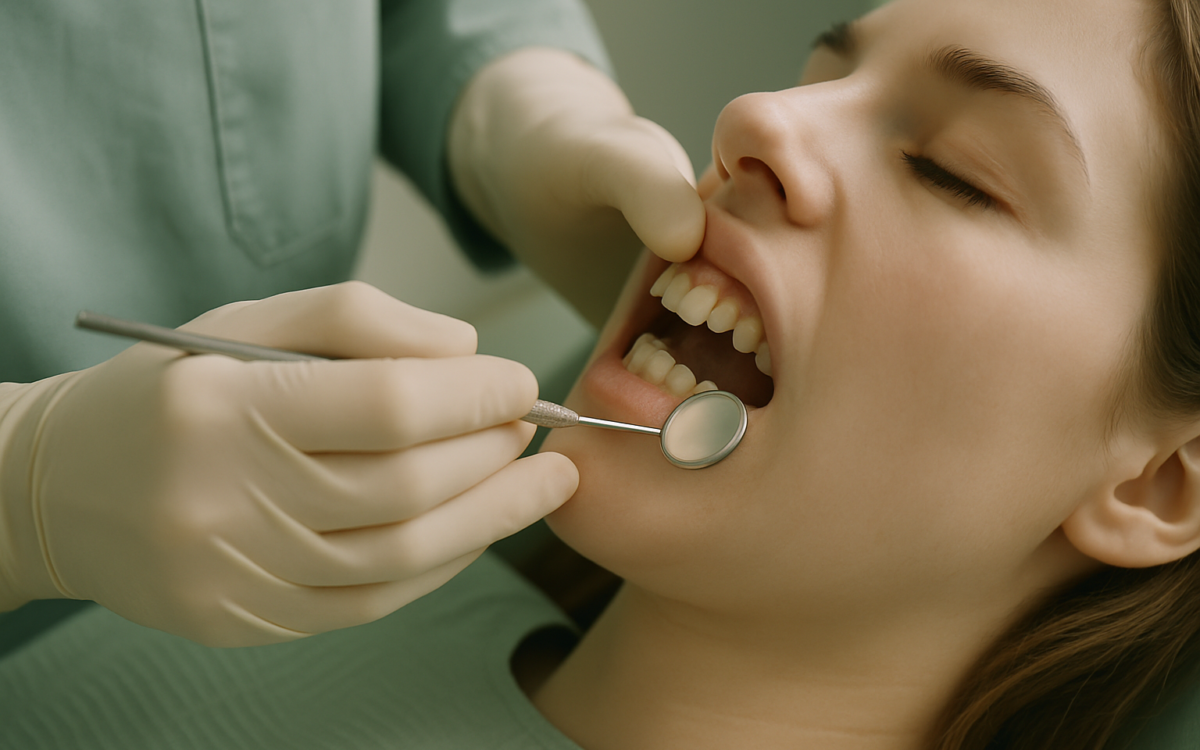
Many people may not realize the importance of proper dental alignment until they face issues related to it. One common problem that can have lasting effects on oral health is a cross bite. This condition can occur in both adults and children, affecting how the teeth and jaws fit together. Understanding what a cross bite is, its types, potential causes, and treatment options can help individuals take proactive steps toward better dental health.
What is a Cross Bite?
A cross bite is a type of dental misalignment where one or more teeth do not align correctly when the mouth is closed. In this condition, some teeth may be positioned too far inward or outward compared to opposing teeth. Cross bites can involve one tooth or multiple teeth and can occur in various areas of the mouth.
Types of Cross Bites
There are two primary types of cross bites: anterior and posterior.
- Anterior Cross Bite: This occurs when the upper front teeth are positioned behind the lower front teeth. It can cause uneven wear on teeth and create an unappealing appearance.
- Posterior Cross Bite: In this case, one or more of the upper back teeth are positioned inside the lower back teeth. This misalignment can lead to discomfort and jaw pain.
Causes of Cross Bites
Several factors can contribute to the development of cross bites. These include:
- Genetics: A family history of dental issues can increase the likelihood of cross bites.
- Jaw Size Discrepancies: If the upper and lower jaws are different sizes, it can lead to misalignments.
- Tooth Loss: Missing teeth can disrupt the alignment of neighboring teeth, leading to cross bites.
- Thumb-Sucking and Prolonged Pacifier Use: Childhood habits such as thumb sucking can affect dental development.
Signs and Symptoms
Recognizing the signs of a cross bite can aid in early intervention. Common symptoms may include:
- Uneven wear on teeth
- Jaw pain or discomfort
- Difficulty chewing or biting
- Dental sensitivity
- Frequent headaches stemming from jaw tension
If you or your child are experiencing these symptoms, it’s important to consult with a dental professional.
Treatment Options
Treatment for cross bites varies depending on age, severity, and specific type. Common approaches include:
- Braces: Traditional braces can help shift teeth into the correct position over time.
- Expanders: For children and young teens, palatal expanders may help to widen the upper jaw, creating more space for alignment.
- Surgery: In severe cases, surgical intervention may be necessary to realign the jaws.
- Invisalign: Clear aligners are a less visible option for adults, though they may not be suitable for all types of cross bites.
For those considering international options for dental treatment, treatment in Turkey has gained popularity for its affordability and quality care. Many patients have reported positive experiences with dental tourism, including orthodontic treatments.
Long-term Effects of Untreated Cross Bites
Failing to address a cross bite can lead to significant issues over time. Common long-term consequences include:
- Dental Wear: Cross bites can cause uneven wear, leading to cracked or chipped teeth.
- Jaw Pain: Misalignment may contribute to disorders like temporomandibular joint dysfunction (TMJ), causing pain and discomfort.
- Speech Impediments: In some cases, dental misalignment can lead to difficulties in speech clarity.
- Increased Risk of Cavities: Misaligned teeth can create spaces that are harder to clean, increasing the likelihood of decay.
When to See a Doctor
It’s advisable to consult a dentist or orthodontist if you notice any signs of a cross bite. Early detection can lead to more effective treatment, potentially avoiding more serious issues in the future.
Conclusion
Understanding cross bites is crucial for anyone concerned about their dental health. By recognizing the signs and types, you can take proactive steps toward achieving better alignment and overall well-being. Remember, regular dental check-ups and professional advice are key to maintaining healthy teeth and jaws.
