
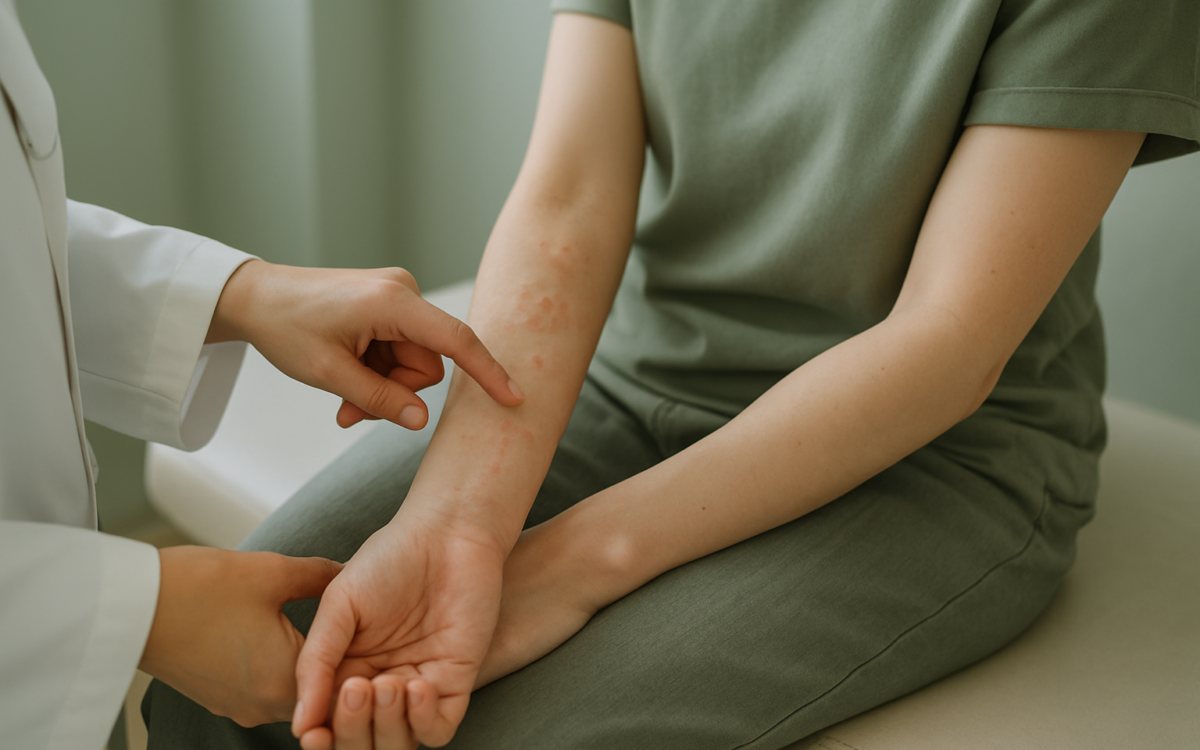
Hives, or urticaria, can be uncomfortable and alarming if you suddenly find yourself with itchy welts on your skin. Many people wonder whether hives can spread from person to person. The answer to this common concern is essential for understanding your health and managing your symptoms.
What Are Hives?
Hives are raised, itchy welts that can appear on any part of the body. They often result from an allergic reaction but can have various causes, including stress, certain medications, and food sensitivities. Hives can range in size and may appear as small dots or large patches. While they can be quite itchy, they usually resolve on their own within hours or days.
Are Hives Contagious?
The straightforward answer is no, hives are not contagious. They are a skin reaction, typically caused by an allergic response or other triggers such as heat or exercise. Since hives are a response of the immune system to allergens and irritants, they cannot be passed from one person to another the way a virus or bacterial infection can.
Common Causes of Hives
Understanding what can trigger hives can help you avoid outbreaks. Some common causes include:
- Food allergies: Foods such as nuts, shellfish, eggs, and dairy are known triggers.
- Medications: Some people develop hives in response to medications like antibiotics or non-steroidal anti-inflammatory drugs (NSAIDs).
- Environmental factors: Pollen, pet dander, or even sunlight can lead to hives in sensitive individuals.
- Infections: Viral infections, particularly in children, can sometimes result in hives.
- Stress and heat: Emotional stress or changes in temperature can also trigger hives.
Treating Hives
Most cases of hives can be treated effectively at home. Over-the-counter antihistamines can relieve itching and help reduce swelling. In more severe cases, your healthcare provider may prescribe stronger antihistamines or corticosteroids. It’s essential to locate and avoid the trigger to prevent future occurrences.
When International Treatment Is Necessary
In some situations, especially for chronic cases of hives that don’t respond to standard treatments, individuals might seek specialized care. An international perspective on treatment can provide access to advanced therapies and expertise. For example, acibademinternational.com offers information about facilities that specialize in skin conditions and allergies worldwide, highlighting the options available beyond local care.
Living with Hives
For those who experience recurrent hives, managing stress, keeping a food diary, and being aware of environmental changes can help keep outbreaks at bay. Wearing loose-fitting, breathable clothing can also minimize irritation on your skin. Emotional well-being plays a crucial role in overall health, including skin conditions. Therefore, consider incorporating relaxation techniques like yoga or meditation into your routine.
When to See a Doctor
While most cases of hives are not serious, you should consult a healthcare professional if:
- The hives last longer than six weeks.
- You have difficulty breathing, swelling of the face, or a rapid heartbeat.
- You experience dizziness or fainting.
- Hives appear after taking a new medication or eating a new food that you suspect might involve a severe allergic reaction.
Conclusion
Hives can be bothersome and indicative of underlying issues but knowing that they are not contagious can ease some anxiety. Understanding the causes, treatment options, and when to seek help is vital for anyone who experiences these itchy welts. If you find yourself frequently struggling with hives, don’t hesitate to reach out to a healthcare provider for guidance and support.
