
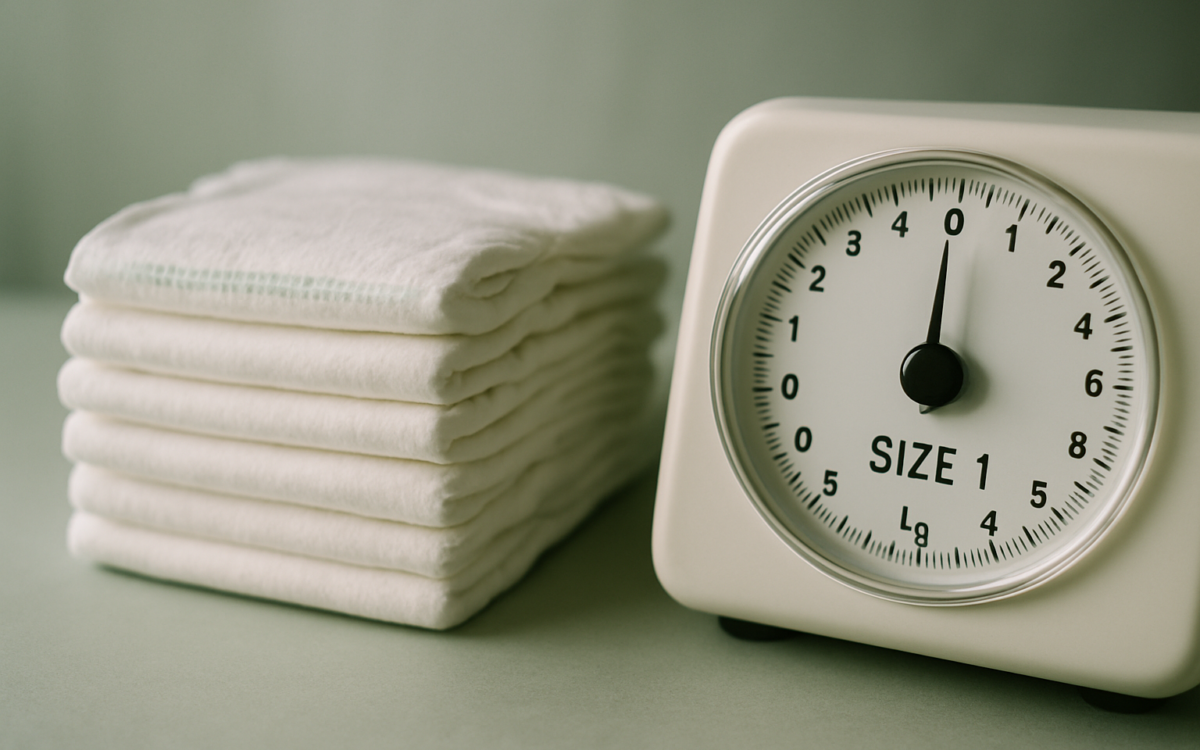
Choosing the right diaper size for your baby can be a daunting task for new parents. With so many different options and brands available, you might find yourself questioning if you are picking the right one. Size 1 diapers are a popular choice for infants, but understanding their weight requirements and when to make the switch to a larger size is crucial. Let’s dive into the specifics so you can make informed decisions for your little one.
Understanding Size 1 Diapers
Size 1 diapers are typically designed for infants weighing between 8 to 14 pounds (3.6 to 6.4 kilograms). These diapers are created to fit snugly while providing ample absorbency for babies during their first few months of life. However, it’s important to note that every baby is different. Growth rates can vary significantly, so while most babies will fit into size 1 diapers within these weight ranges, some might need to transition earlier or later.
Weight Range for Size 1 Diapers
Most brands of size 1 diapers are designed for similar weight ranges. Here’s a look at what you might expect:
- Kangaroo Brands: Weight range 8-14 pounds.
- Example Brand A: Weight range 8-12 pounds.
- Example Brand B: Weight range 10-15 pounds.
This variety in weight ranges means it’s essential to read the packaging of the diaper brand you choose, as they might have slightly different recommendations.
Signs Your Baby Needs a Size Change
Monitoring your baby’s comfort is vital for diaper selection. If you notice any of these signs, it might be time to consider transitioning to a larger size:
- Leaking: If you observe leaks or wetness outside the diaper, it may be too small.
- Red Marks: Any redness around your baby’s thighs or waist after removing the diaper could indicate that the fit is too tight.
- Difficulty Putting On: If you struggle to fasten the diaper or if it seems excessively snug, that might be a sign.
While most diapers come with stretchy tabs that allow for some adjustability, finding the right size for your baby’s shape is essential to ensure they stay dry and comfortable.
Choosing the Right Diaper Brand
Choosing a diaper brand can be as impactful as selecting the size. Some parents prefer certain brands because of their quality, price, or even the way they fit their baby. Factors to consider include:
- Absorbency: Look for brands that excel in absorbing moisture to keep your baby dry.
- Skin Sensitivity: If your baby has sensitive skin, hypoallergenic options might be the best choice.
- Eco-Friendliness: Some brands focus on biodegradable materials or environmentally friendly practices.
It’s worth trying a few different brands to see which one works best for your baby. Keep in mind that diaper performance can vary based on factors such as the fit and your baby’s activity level.
How Many Diapers Do You Need?
New parents often wonder how many diapers they’ll need. On average, newborns go through 10 to 12 diapers a day. Here’s what you might expect:
- First Month: You may need around 300 size 1 diapers.
- Second Month: Babies often stay in size 1 for about 1 to 2 months, so stock up accordingly.
- Transitioning: Be prepared for a transition to size 2, typically when your baby reaches around 12 to 15 pounds.
Planning ahead can save you time and hassle, especially if you have a busy newborn schedule filled with feeding, cleaning, and soothing.
Additional Diapering Tips
Here are some extra tips for effective diapering:
- Keep Essentials Handy: Always have a changing station stocked with wipes, creams, and an extra clothing set.
- Change Diapers Regularly: Aim to check and change your baby’s diaper every 2-3 hours or as needed.
- Learn Proper Techniques: Understanding how to properly clean and care for diaper rashes is key to maintaining healthy skin.
Referring to resources like the CDC on infant care and the Mayo Clinic for additional insights can provide more guidance as you navigate the diapering journey.
When to See a Doctor
If you notice persistent rashes, signs of infection, or any changes in your baby’s normal behavior (like excessive fussiness or lethargy), it’s important to consult a healthcare provider. Your baby’s health and comfort are paramount, and a doctor can provide tailored advice based on their individual needs.
In conclusion, size 1 diapers are essential for keeping your baby comfortable during their early days. Understanding the weight requirements and being attentive to your baby’s needs will guide you in making the right choices for their hygiene and comfort. With a bit of awareness and preparation, diapering can become an easier and more enjoyable part of parenting.
