
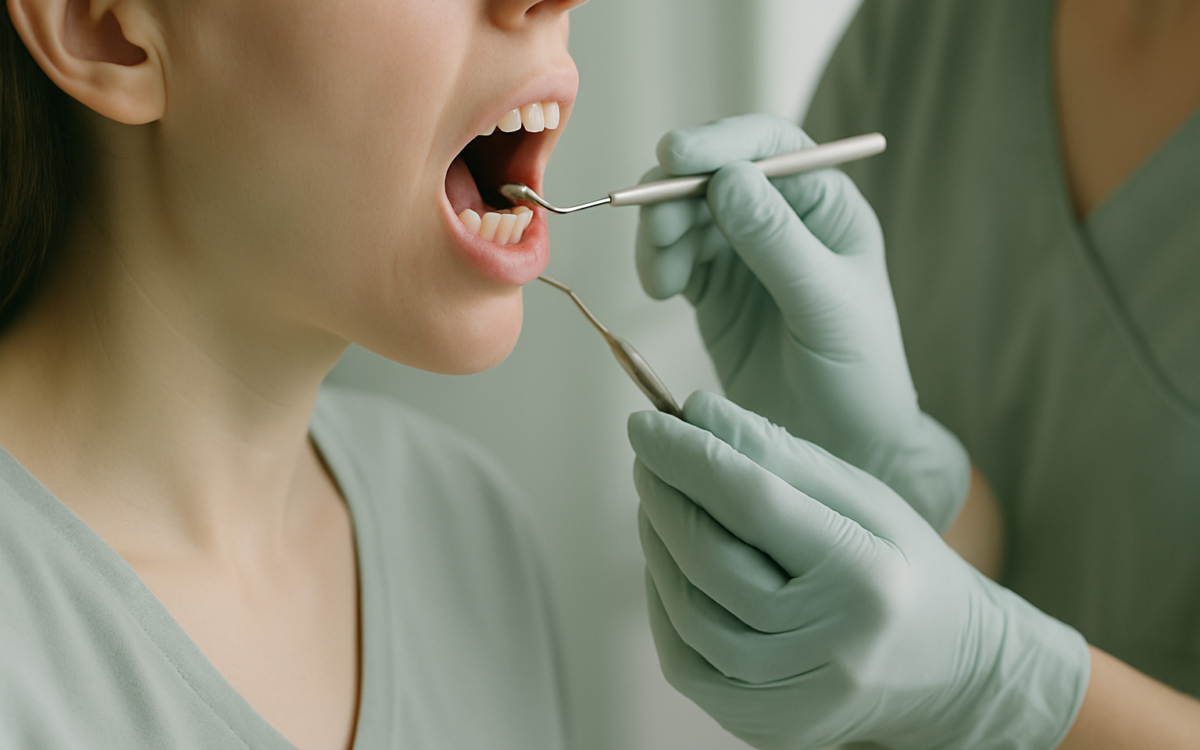
Open bite is a dental condition that can affect not only your smile but also your overall oral health. It occurs when the upper and lower teeth do not meet when your mouth is closed, creating a gap that can influence speech, chewing, and even confidence. Understanding this condition, including its causes and possible treatments, is essential for maintaining good oral health.
What Is an Open Bite?
In simple terms, an open bite is a type of malocclusion, where the upper and lower teeth don’t align properly. This misalignment can happen in the front teeth (anterior open bite) or towards the back (posterior open bite). People with an open bite struggle to bite down on food effectively, which can lead to difficulties in eating and a range of other health concerns.
Causes of Open Bite
Understanding what leads to an open bite can help in prevention and treatment. There are several factors that may contribute to this dental issue:
- Genetics: Many cases of open bite are inherited. If a family member has had similar dental issues, chances are you might experience them too.
- Thumb sucking: Prolonged thumb sucking in childhood can affect teeth alignment and lead to an open bite. This habit can push the front teeth out of place, creating a gap.
- Use of pacifiers: Similar to thumb sucking, extended use of pacifiers can also affect dental alignment.
- Jaw development issues: If the upper and lower jaws grow at different rates, an open bite can develop. This is often more prevalent in children and teenagers who are still growing.
- Tooth loss: Losing teeth can also contribute to malocclusion, including scenarios where missing teeth cause adjacent teeth to shift out of place.
Impact of Open Bite on Health and Well-Being
An open bite can affect more than just your appearance. There are various ways it can influence your daily life:
- Eating difficulties: Many people with an open bite experience problems when chewing food, which can lead to poor nutrition.
- Speech issues: The alignment of your teeth and jaws plays a significant role in clear speech. Those with an open bite might find certain sounds difficult to pronounce, leading to speech problems.
- Social confidence: An open bite can impact a person’s self-esteem, particularly during formative years. Concerns about appearance may lead to social anxiety for some individuals.
Treatment Options for Open Bite
Fortunately, there are effective treatment options for open bite, tailored to various ages and needs. In children, early detection is key. Here are some common solutions:
For Children and Adolescents
Many orthodontic interventions are more effective when the jaw is still developing. Depending on the severity, treatment options may include:
- Braces: Traditional or clear braces help align the teeth and close the gap over time.
- Orthodontic appliances: Special devices can be used to modify jaw growth and tooth positioning.
- Behavioral interventions: For thumb suckers or pacifier users, encouraging cessation of these habits can help improve teeth alignment.
For Adults
Adults may have fewer options, but various treatments are still available:
- Braces and Invisalign: These options can correct bite issues at any age.
- Jaw surgery: In severe cases, surgical intervention might be necessary to realign the jaw.
- Cosmetic dentistry: Procedures like veneers can hide the effects of an open bite for those not wishing to undergo orthodontic or surgical treatments.
In some cases, international treatment options, such as those offered at acibademinternational.com, provide specialized care that may not be available locally.
Preventing Open Bite
Awareness is key in preventing open bite. Here are some tips that can help:
- Monitor habits: Keep an eye on children who may engage in thumb sucking or prolonged pacifier use, and encourage healthy alternatives.
- Regular dental visits: Routine check-ups with a dentist can help catch early signs of misalignment.
- Healthy oral habits: Encourage a balanced diet and appropriate oral hygiene practices to ensure healthy jaw development.
When to See a Doctor
If you or your child experiences symptoms of open bite—such as difficulty chewing or speaking, noticeable gaps between teeth when the mouth is closed, or discomfort in the jaw—consider reaching out to a dental professional. Early intervention can lead to more effective treatments and better outcomes.
Conclusion
Open bite is a common dental concern that can have various impacts on health and happiness. By understanding its causes and the potential treatments available, you can make informed decisions regarding your oral health. Remember, if you have any concerns about open bite, consulting a dental professional is always the best step forward.
