
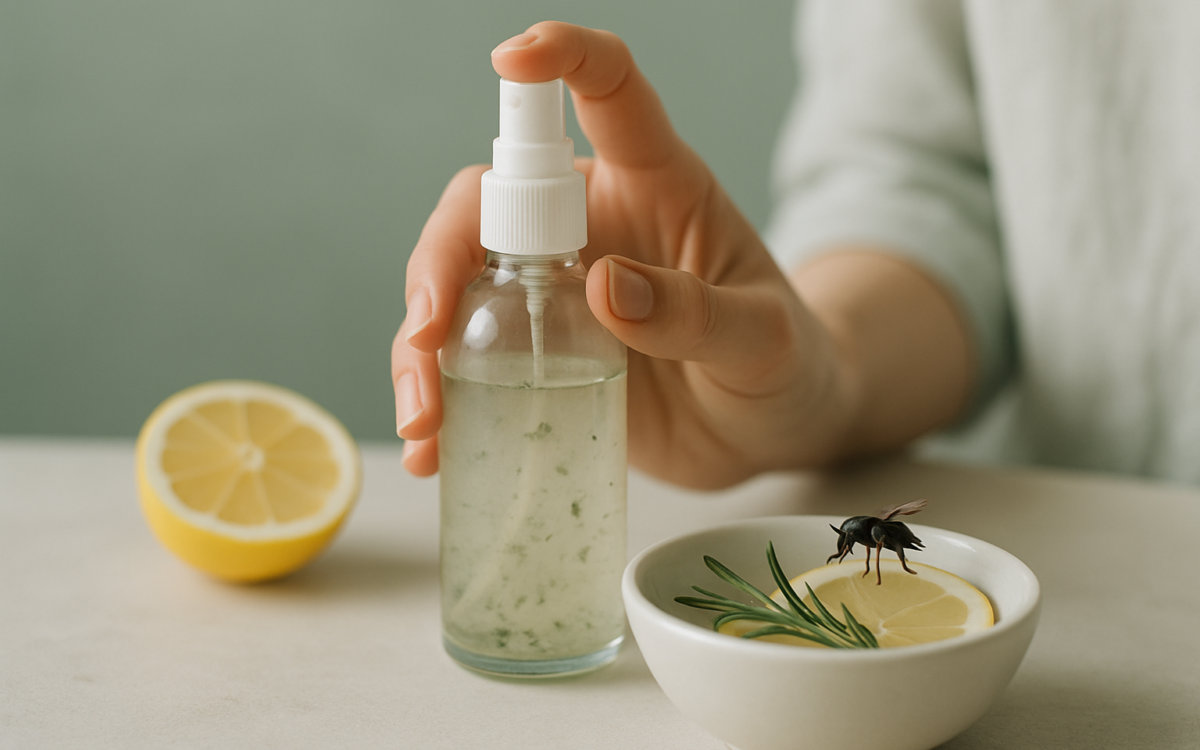
As the weather warms up, flies become an unwelcome part of our outdoor experiences. They buzz around picnics, linger in kitchens, and can even spread germs. While chemical repellents can effectively keep flies away, many people are looking for safer, natural alternatives. If you’re seeking an eco-friendly approach to pest control, this guide will introduce you to effective homemade fly repellents that can be concocted easily with items you likely already have at home.
The Problem with Flies
Flies are more than just a nuisance; they can pose health risks by spreading diseases. They are attracted to our food, garbage, and waste, making them common carriers of bacteria and viruses. Understanding the importance of effective fly control can help us create a healthier living environment. The World Health Organization highlights the role of flies in transmitting diseases and emphasizes the need for adequate measures to control their populations (WHO).
Essential Oils: Nature’s Powerhouse
One of the most popular ways to repel flies naturally is through essential oils. These concentrated plant extracts are packed with unique fragrances that insects find unpleasant. Here are a few oils known for their fly-repelling properties:
- Peppermint Oil: Known for its strong scent, peppermint oil can mask the enticing fragrances of food and other attractants.
- Eucalyptus Oil: Often used in insect repellents, eucalyptus oil has a scent that flies dislike.
- Lavender Oil: This soothing scent is not only calming for humans but also effective in repelling common pests.
To create a simple fly repellent spray, mix 10-15 drops of your chosen essential oil with water in a spray bottle. Shake well before use and spray in areas where flies tend to gather.
Vinegar: The Versatile Ingredient
Vinegar is another natural option for fly control. Its strong smell deters flies while being safe for humans and pets. You can use vinegar in different ways:
- Vinegar Trap: Combine equal parts water and vinegar in a bowl and cover it with plastic wrap. Poke small holes in the wrap to allow flies in. They will be attracted to the vinegar but will struggle to escape.
- Repellent Spray: Mix water with apple cider vinegar in a spray bottle and shake well. Spray around windows and doors to prevent flies from entering.
As an added benefit, vinegar is inexpensive and can be found in most households, making it a convenient option for fly control.
Herbs: A Natural Barrier
Certain herbs not only enhance your cooking but can also act as natural fly repellents. Here are some herbs to consider:
- Basil: Flies dislike the scent of basil. Planting it in your garden or placing pots on your porch can help keep flies at bay.
- Mint: Similar to peppermint oil, mint plants can repel flies when placed strategically around your home.
- Rosemary: Known for its robust aroma, rosemary can deter flies when used fresh or dried.
Consider creating a small herb garden to take advantage of these natural repellents while also enjoying fresh ingredients for your meals.
Homemade Fly Repellent Recipes
Combining different natural ingredients can create even more effective fly repellents. Here are a couple of recipes you can try:
Recipe 1: Citrus Fly Spray
- 1 cup water
- 1/2 cup vinegar (apple cider or white)
- Peels from 1-2 citrus fruits (like lemons or oranges)
Combine the ingredients in a spray bottle and let it sit for a couple of days. Strain out the peels and spray as needed. The citrus scent not only repels flies but can also freshen the air.
Recipe 2: Herbal Infusion Fly Spray
- 1 cup water
- 1/2 cup vodka or rubbing alcohol
- 1 tablespoon dried herbs (like lavender or mint)
Heat the water and add the herbs, allowing it to steep for about 30 minutes. Strain and mix with vodka or rubbing alcohol in a spray bottle. This potent spray is perfect for outdoor gatherings.
Precautions with Natural Repellents
While natural fly repellents are generally safe, there are a few precautions to keep in mind:
- Always test a small area of skin for reactions before applying any essential oil or natural repellent directly.
- Store homemade solutions in a cool, dark place, and dispose of any that smell off or have been stored for an extended period.
- Monitor your outdoor areas and reapply repellents as necessary, especially after rain or heavy use.
If you continue to experience issues with flies despite using natural repellents, you may want to consult a pest control professional for additional advice.
When to See a Doctor
While flies are primarily a nuisance, they can carry diseases. If you experience any unusual symptoms after contact with flies—such as persistent irritation, signs of infection, or gastrointestinal issues—reach out to a healthcare provider for guidance.
Natural fly repellents can be effective and safe options to help keep your space enjoyable during fly season. By utilizing common ingredients and simple recipes, you can take control while protecting your family and the environment.
