
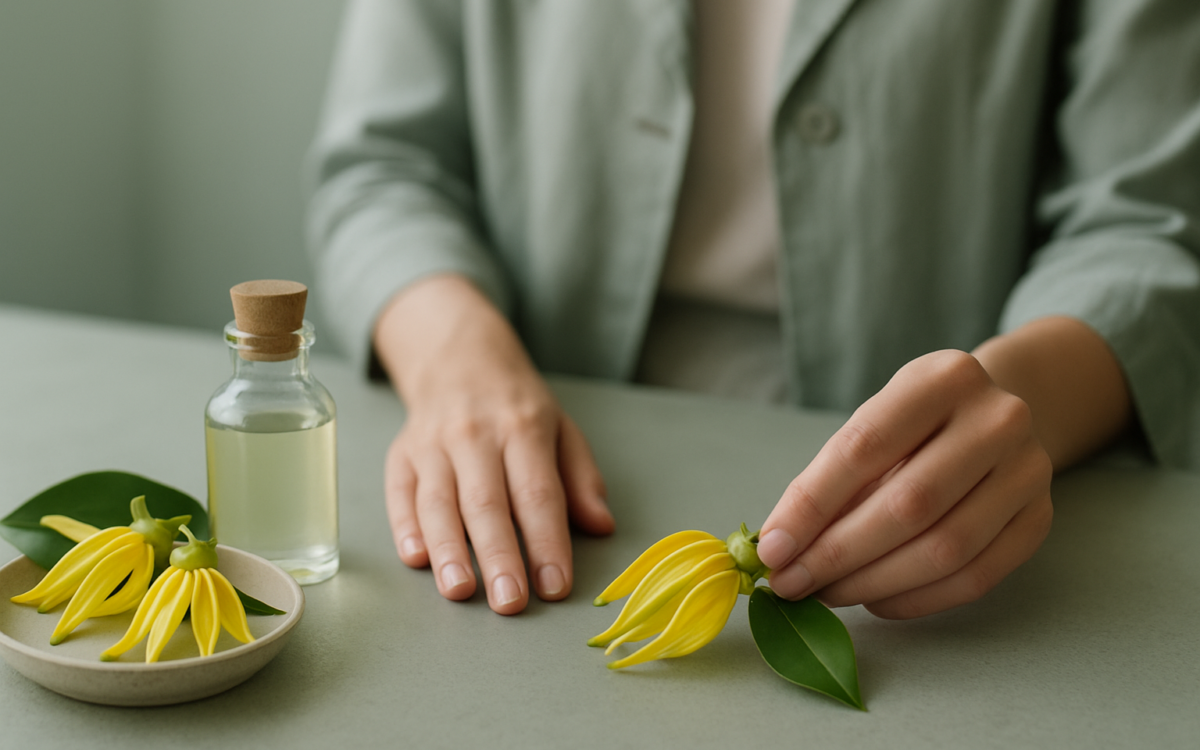
Lyang lyang, often referred to as a tropical plant with unique medicinal properties, has been a part of traditional medicine in several cultures. The plant, known scientifically as Cassia alata, is native to the tropics and has gained attention for its promising health benefits. In this article, we will delve into the characteristics of lyang lyang, its traditional uses, and the potential scientific support for its benefits.
What is Lyang Lyang?
Lyang lyang is a shrub that typically grows in tropical and subtropical regions. It features broad, bright yellow flowers and large leaves that can reach up to a meter long. Traditionally, this plant has been valued not just for its aesthetic appeal but also for its various uses in folk medicine.
Traditional Uses in Medicine
In many cultures, particularly in Southeast Asia, lyang lyang has been used in traditional herbal remedies. Here are some of the common traditional uses:
- Skin Conditions: Lyang lyang leaves have been used topically to treat skin ailments such as eczema, psoriasis, and fungal infections.
- Digestive Health: The plant is sometimes brewed as a tea to support digestive health and relieve constipation.
- Fever and Inflammation: Some traditional practices involve using parts of the plant to manage fever and inflammation.
These uses demonstrate the broad spectrum of lyang lyang’s applications in traditional healing, showcasing its importance in local healthcare practices.
Potential Health Benefits of Lyang Lyang
Recent studies and anecdotal evidence have begun to substantiate some of the claims surrounding the health benefits of lyang lyang. While research is still in the early stages, here are a few areas where lyang lyang shows promise:
1. Antifungal Properties
One of the most well-known uses of lyang lyang is its antifungal properties. Research has indicated that extracts from the leaves of lyang lyang can be effective against various strains of fungi, including those that cause skin infections. A study published in a peer-reviewed journal highlighted the potential of lyang lyang as a natural antifungal agent, which may help in treating conditions like athlete’s foot and ringworm. You can read more about antifungal properties in plants through the NIH database.
2. Anti-inflammatory Effects
Another promising area of research involves the anti-inflammatory properties of lyang lyang. Inflammation is linked to many chronic diseases, and natural remedies that can help manage it are a focus of growing interest. Some preliminary studies suggest that compounds in lyang lyang can help reduce inflammation, potentially aiding in the treatment of conditions such as arthritis.
3. Digestive Health
As mentioned, lyang lyang is utilized to support digestive health traditionally. Some herbs have been found to promote healthier digestion and reduce issues such as bloating and discomfort. While more scientific evidence is needed, the traditional use of lyang lyang for digestive ailments points to its value in this area.
How to Use Lyang Lyang
For those interested in exploring the benefits of lyang lyang, here are a few ways you can incorporate it into your wellness routine:
- Tea: Brew the leaves to create a herbal tea that may help with digestion and provide anti-inflammatory benefits.
- Topical Applications: Crush the leaves to create a paste, which can be applied to affected skin areas to help treat fungal infections.
- Extracts: Lyang lyang is available in various forms, including capsules and extracts, which may provide concentrated benefits.
Before adding any new herbal remedies to your routine, it’s essential to do thorough research and consider consulting with a healthcare professional.
Risks and Precautions
While lyang lyang has numerous potential benefits, there are also risks to consider. For instance, allergic reactions or skin irritations can occur in some individuals when using herbal remedies. Additionally, if you’re pregnant, nursing, or on medications, it’s vital to consult a doctor before using lyang lyang. Some herbal remedies can interact negatively with certain medications, potentially causing side effects or reducing their effectiveness.
When to See a Doctor
If you’re considering using lyang lyang for any health issues, consulting with a healthcare provider is crucial, especially if you have existing health conditions or are taking medications. Also, if you experience any adverse reactions such as skin irritation, digestive upset, or any unusual symptoms after using lyang lyang, seek medical advice promptly.
Conclusion
Lyang lyang is a tropical plant that has captured interest for its potential health benefits and traditional uses. While more research is needed to fully establish its efficacy, its historical significance in various cultures serves as a reminder of the value of exploring natural remedies. Always remember to consult with a healthcare professional before making significant changes to your health regimen, ensuring that any new treatments fit well with your individual health needs.
