
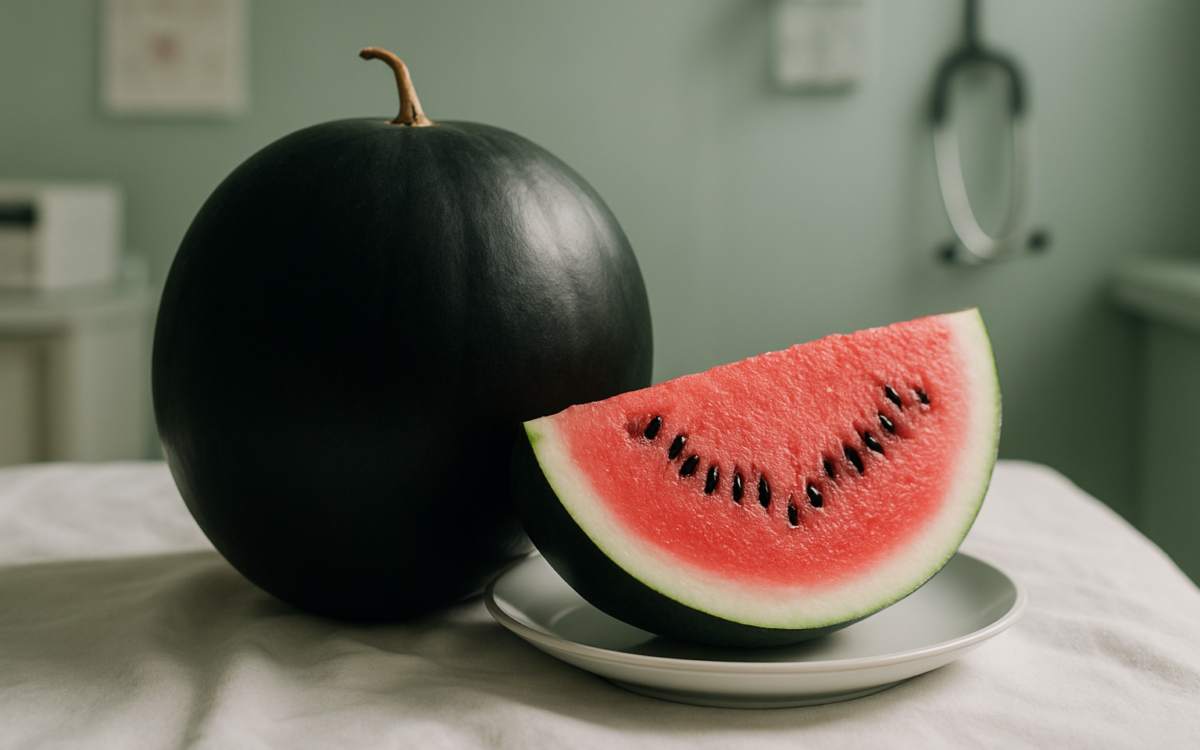
When you think of watermelon, vibrant green stripes and sweet red flesh probably come to mind. But have you heard of black watermelon? This unique fruit not only stands out because of its appearance but also offers surprising nutritional benefits. If you’re curious about this unconventional fruit, you’re in for a treat!
What is Black Watermelon?
Black watermelon, also known as black diamond watermelon, is a distinctive variety of watermelon cultivated for its rich flavor and striking dark green to almost black rind. Inside, it boasts a sweet, refreshing pink to red flesh, similar to other watermelon types. Although it may not be as common as the traditional watermelon, those lucky enough to discover it often rave about its taste and juiciness.
The Nutritional Benefits of Black Watermelon
Black watermelon is not only delicious; it’s also packed with nutrients. Here are some health advantages associated with these vibrant fruits:
- Rich in Vitamins and Minerals: Black watermelon is an excellent source of vitamins A and C, which are essential for maintaining healthy skin and supporting the immune system. According to the NIH, vitamin C helps protect cells and promotes overall health.
- Hydration Booster: Watermelons, including black watermelon, are composed of about 92% water. This makes them an excellent option for staying hydrated during hot summer days.
- Low-Calorie Snack: With just about 30 calories per cup, black watermelon is a guilt-free way to satisfy your sweet tooth while keeping your calorie intake in check.
- Antioxidants: Black watermelon is rich in antioxidants, particularly lycopene, which studies have associated with various health benefits, including promoting heart health and reducing the risk of certain cancers. Antioxidants combat oxidative stress and help protect the body’s cells.
Culinary Uses of Black Watermelon
Beyond just slicing it up for a refreshing snack, there are many creative culinary uses for black watermelon:
- Salads: Black watermelon can be a refreshing addition to salads, pairing beautifully with feta cheese and fresh mint.
- Smoothies: Blend black watermelon with yogurt, spinach, or other fruits for a nutrient-packed smoothie.
- Sorbet: Puree black watermelon and freeze it for a homemade sorbet, perfect for beating the summer heat.
- Grill it: Grilling black watermelon caramelizes its natural sugars, adding a new flavor dimension—try it as a side dish or topping on burgers for a unique twist!
Where to Find Black Watermelon
Black watermelon is often available at specialty grocery stores and farmer’s markets, particularly in the summertime when watermelons are in season. When selecting black watermelon, look for firm, heavyweight melons with a uniform dark green to black color. Avoid any that show signs of bruising or soft spots.
Fun Facts About Black Watermelon
Here are a few fun facts to know about black watermelon:
- Historical Roots: Originating from Africa, watermelon has been cultivated for thousands of years. The black variant has emerged as one of the more popular types in recent years.
- Watermelon Festivals: Many regions celebrate watermelon, including varieties like black watermelon, with festivals that feature themed contests, cooking demonstrations, and tastings.
- Growth Conditions: Black watermelon thrives in warm climates and typically requires sandy, well-drained soil to flourish.
Possible Health Risks
While black watermelon is generally safe to eat, it’s essential to be aware of potential allergies or intolerances. Some individuals may experience allergic reactions to certain fruits, including watermelon. Additionally, consuming large quantities can lead to digestive discomfort due to its high water and fiber content. As always, if you have concerns about incorporating new foods into your diet, consult a healthcare professional. The Mayo Clinic recommends discussing any food allergies with your doctor to ensure safe consumption.
When to See a Doctor
If you experience symptoms such as itching, swelling, or gastrointestinal discomfort after eating black watermelon, it may be time to consult a healthcare provider for further evaluation. Food allergies can sometimes be serious, so it’s crucial to seek professional advice if you suspect a reaction.
In conclusion, black watermelon is not just a unique fruit but a nutritional powerhouse packed with benefits. Whether you enjoy it fresh, grilled, or blended, adding it to your diet can provide a fun and healthy boost. Keep an eye out for this intriguing variety, and don’t hesitate to incorporate it into your meals for a delicious treat this summer!
