
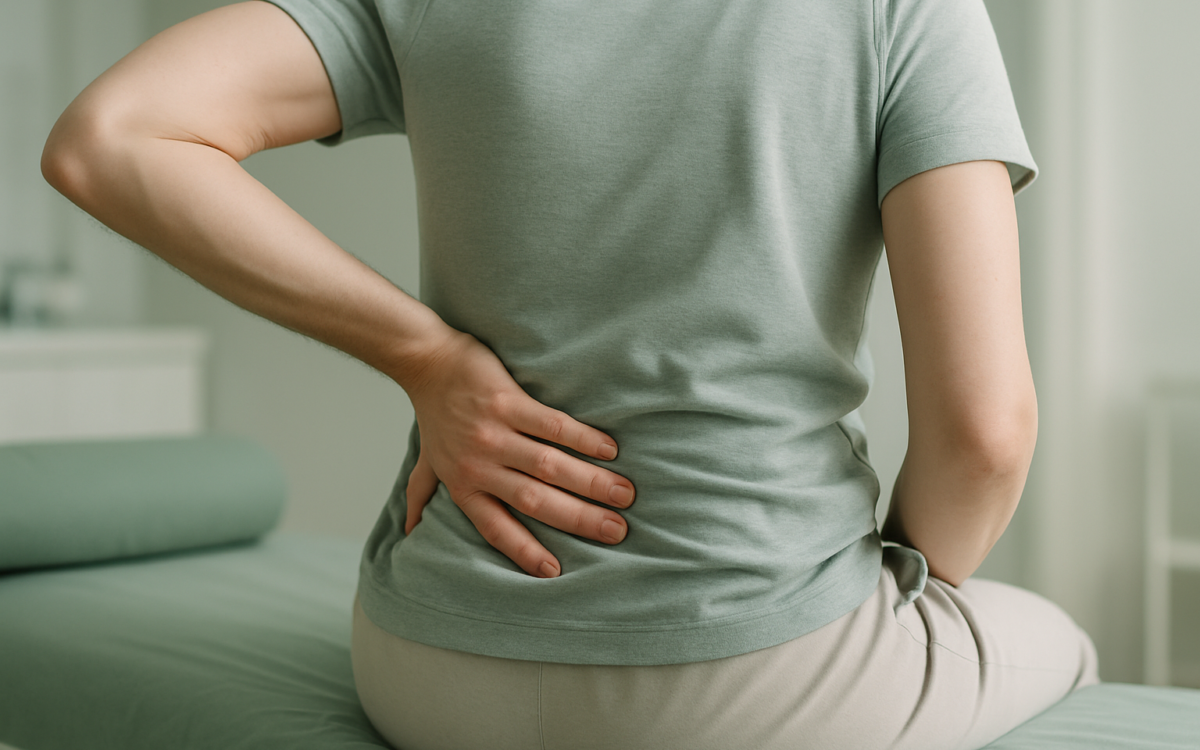
Experiencing discomfort on the left side of your lower back can be concerning and bothersome. This ache might interrupt your daily activities, whether it’s at work or during leisure time. Understanding what could be causing your pain can help you identify appropriate care options and when to consult a doctor.
Common Causes of Left-Side Lower Back Aches
Lower back pain can arise from a variety of conditions, ranging from muscle strain to more serious health issues. Here’s a closer look at some common causes:
1. Muscle Strain
One of the most frequent causes of lower back ache, particularly on the left side, is muscle strain. This can occur from lifting heavy objects, sudden awkward movements, or prolonged physical activities without proper support. Symptoms often include localized pain, stiffness, and tenderness.
2. Herniated Disc
A herniated disc occurs when the soft material inside the spinal disc bulges out and presses on nearby nerves. This condition can cause significant pain that may radiate down the leg or into other areas. Moreover, herniated discs can result from age-related wear and tear or injury.
3. Kidney Issues
Sometimes, pain in the lower left back can be linked to kidney problems, such as kidney stones or infections. These conditions might give rise to sharp pain often accompanied by other symptoms like fever or changes in urination. If back pain coincides with these symptoms, a consultation with a healthcare provider is crucial.
Other Potential Causes of Pain
While the above conditions are common, several other factors may contribute to left-side lower back pain:
4. Sciatica
Sciatica is characterized by pain that follows the path of the sciatic nerve, which runs from the lower back down the legs. If the nerve is compressed or irritated, it can lead to sharp or shooting pains affecting the lower back and legs.
5. Spinal Conditions
Diseases such as arthritis, scoliosis, or spinal stenosis are also potential causes of back pain. These conditions can affect spinal alignment, leading to discomfort and decreased mobility. Diagnosing such issues might involve imaging studies like X-rays or MRIs.
Symptoms That Accompany Back Pain
Paying attention to accompanying symptoms can help in identifying the underlying cause of your pain. Here are some symptoms that could be relevant:
- Stiffness or difficulty moving
- Radiating pain to the leg or foot
- Numbness or tingling sensations
- Fever or unexplained weight loss
If you experience any of these symptoms alongside your pain, it may warrant a prompt medical evaluation.
At-Home Management Techniques
After recognizing the potential causes of your lower left back pain, you may want to try some at-home management techniques. Here are a few suggestions:
1. Rest and Activity Modification
Give your back some rest by avoiding activities that exacerbate the pain. However, gentle movement such as walking or stretching can also help maintain mobility and prevent stiffness.
2. Heat and Ice Therapy
Applying heat or ice packs to the affected area can help reduce inflammation and alleviate pain. Typically, cold therapy is most effective in the first 48 hours post-injury, while heat therapy can soothe ongoing muscle tension.
3. Over-the-Counter Medications
Non-prescription medications such as ibuprofen or acetaminophen may help alleviate pain. Be sure to follow the dosage instructions and consult your healthcare provider if you have any questions about the medication.
When to See a Doctor
While many cases of lower back ache can resolve with conservative care, certain situations require immediate medical attention. Consider seeking help if:
- Your pain persists for more than a few weeks
- The pain is severe and debilitating
- You experience symptoms such as fever, unexplained weight loss, or loss of bladder control
In these cases, a healthcare professional may conduct further evaluations, such as imaging tests or blood tests, to diagnose the root of the problem.
Conclusion
Lower back ache on the left side can result from various causes, ranging from minor muscle strain to more serious conditions. While many instances can be managed at home, staying aware of accompanying symptoms and understanding when to seek professional advice is essential for your health. If recurring or severe pain affects your quality of life, consulting a healthcare provider is the best course of action. For more information on back pain, you can visit resources like the NIH, Mayo Clinic, or WHO.
