
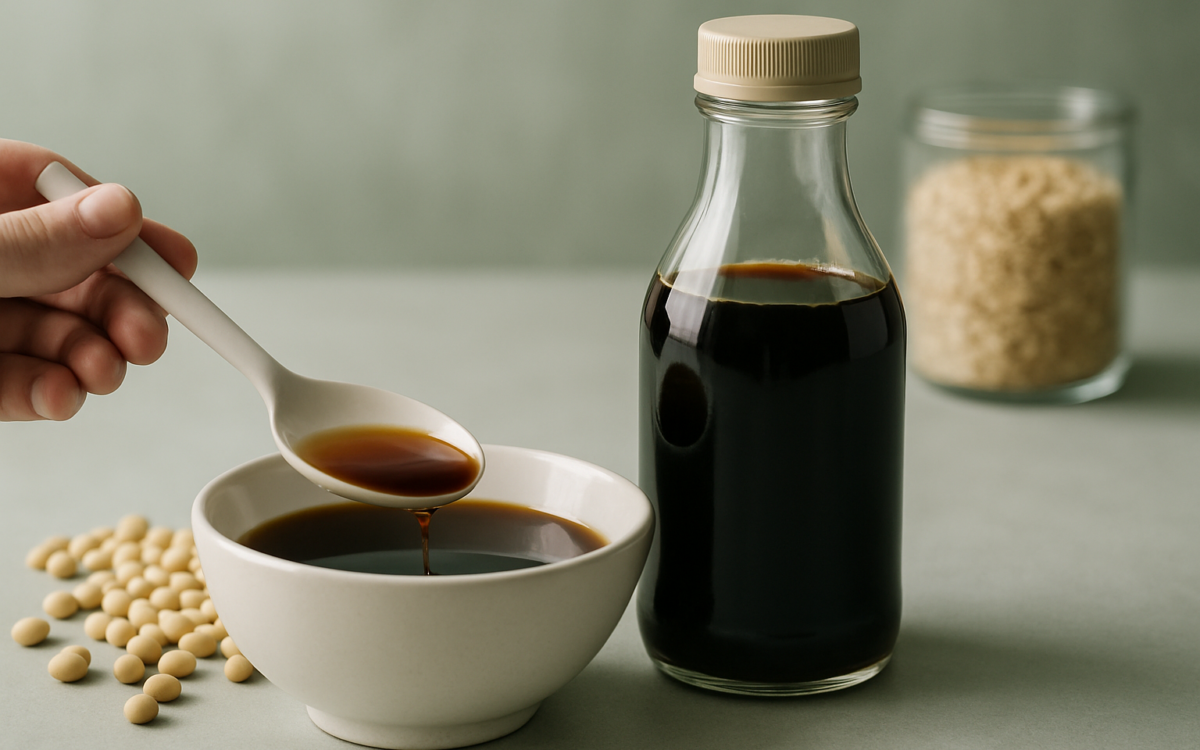
If you’re looking to add a dash of flavor to your meals while tapping into nutritional benefits, liquid aminos are worth considering. These versatile sauces have gained popularity among health-conscious individuals, especially those following plant-based diets. Enriched with amino acids, liquid aminos can not only enhance the taste of your food but also provide several health advantages.
What Are Liquid Aminos?
Liquid aminos are concentrated liquids made from soybeans or coconut sap and contain a variety of amino acids. Unlike traditional soy sauce, which undergoes fermentation, liquid aminos are produced through a process of hydrolysis. This allows for a more concentrated source of amino acids without the fermentation process or gluten, making them a suitable option for anyone with dietary restrictions.
Nutritional Profile
Amino acids are the building blocks of proteins and play an essential role in various bodily functions, including muscle repair, hormone production, and immune system support. Liquid aminos typically contain all nine essential amino acids that your body cannot produce on its own. Here’s a quick breakdown of what you might find in a typical serving of liquid aminos:
- Protein: Often around 2-3 grams per tablespoon.
- Amino Acids: Contains 16-17 amino acids, making it a complete protein source.
- Sodium: Usually contains less sodium than traditional soy sauce, depending on the brand.
Liquid aminos can be an attractive option for those seeking a low-calorie, low-sodium flavor enhancer.
Potential Health Benefits
Besides enhancing flavor, liquid aminos offer several potential health benefits:
1. Source of Essential Amino Acids
A significant advantage of liquid aminos is their content of essential amino acids. Each amino acid has unique roles in the body, contributing to functions such as:
- Muscle growth and repair
- Hormonal balance
- Immune response
Incorporating liquid aminos into your diet can help ensure you’re meeting your daily amino acid needs, especially if you’re following a vegetarian or vegan lifestyle.
2. May Support Digestive Health
Some studies suggest that the presence of amino acids in the diet can contribute to better digestive health. Amino acids like glutamine are known to support gut health by maintaining the integrity of the intestinal walls. For individuals with gastrointestinal issues, increasing amino acid intake with liquid aminos could be beneficial, although more research is needed.
3. Antioxidant Properties
Certain amino acids found in liquid aminos, such as glycine and arginine, possess antioxidant properties. Antioxidants help combat oxidative stress in the body, which can lead to chronic diseases. While liquid aminos should not replace the consumption of fruits and vegetables, they can serve as a complementary source of antioxidants.
How to Use Liquid Aminos
Incorporating liquid aminos into your cooking has never been easier. Here are a few creative ways to use them:
- Salad Dressings: Mix with olive oil, vinegar, and herbs for a flavorful dressing.
- Marinades: Use as a savory marinade for tofu, tempeh, or vegetables before grilling or baking.
- Sauces: Add to stir-fries or sautés to deepen the flavor profile.
- Soups and Stews: Enhance the umami flavor of homemade soups by adding a splash of liquid aminos.
As you experiment with liquid aminos, be mindful of their salt content, and adjust other seasonings in your recipes accordingly.
Potential Concerns
While liquid aminos can be a beneficial addition to your diet, there are a few considerations to keep in mind:
- Sodium Content: Even though liquid aminos often contain less sodium than soy sauce, it’s essential to consume them in moderation if you’re watching your sodium intake.
- Allergies: Those with soy allergies should avoid liquid aminos made from soybeans and consider other alternatives.
- Additives: Always check the ingredient list for any additives or preservatives that may not align with your dietary preferences.
When to See a Doctor
If you experience any adverse reactions after consuming liquid aminos, such as allergic reactions or gastrointestinal discomfort, consult your healthcare provider. It’s always wise to discuss any significant dietary changes, especially if you have pre-existing health conditions or allergies.
Conclusion
Liquid aminos are more than just a flavor enhancer; they can be a nutritious addition to a balanced diet. With their diverse range of amino acids, potential digestive and antioxidant benefits, and versatility in cooking, liquid aminos offer a delicious way to amplify your meals. As always, consider your individual health needs and consult with a healthcare professional if you have any concerns about incorporating new foods into your diet.
