
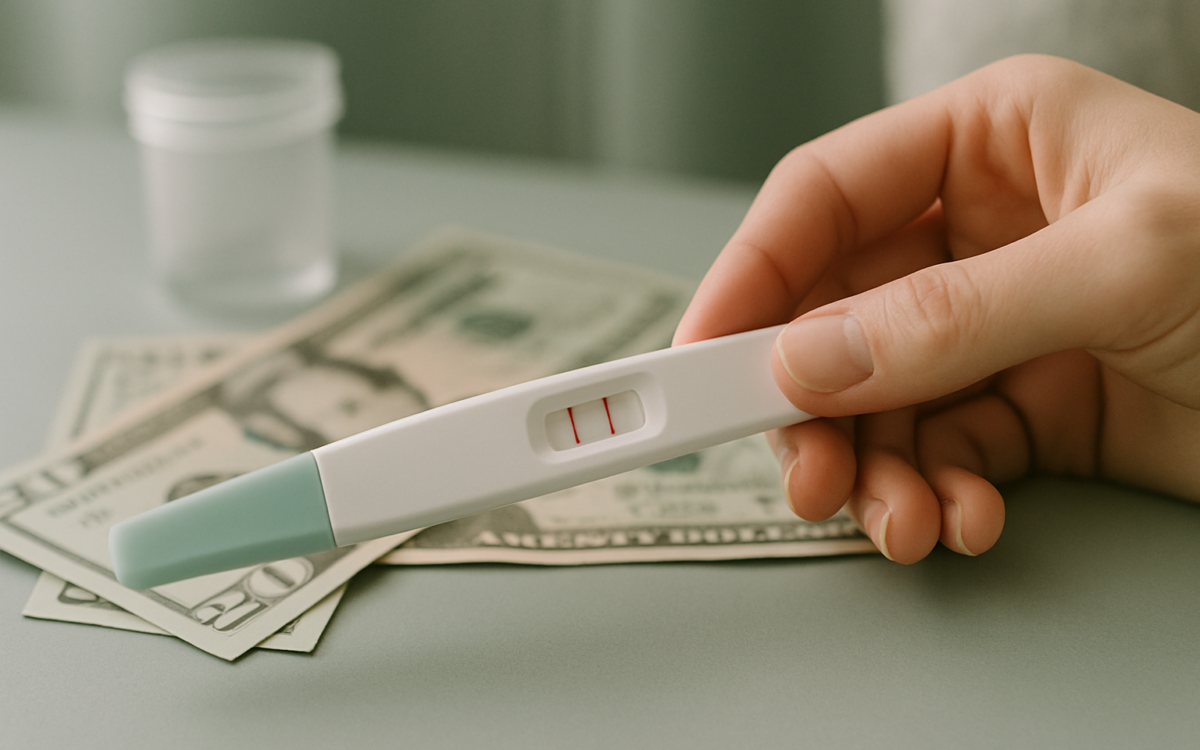
When you’re trying to determine if you’re pregnant, home pregnancy tests (HPTs) offer a convenient and private way to find out. With the increasing popularity of dollar stores, many people are curious about the accuracy and reliability of dollar store home pregnancy tests. In this article, we’ll explore how these products compare to more expensive options, how and when to use them, and what you should consider before making a purchase.
What Are Dollar Store Home Pregnancy Tests?
Dollar store home pregnancy tests are similar to those you might find at pharmacies or supermarkets. They typically use a urine sample to detect the presence of the hormone human chorionic gonadotropin (hCG), which your body produces after implantation of a fertilized egg. Most dollar store tests claim to be just as effective as more expensive brands, but it’s essential to know more about how they work.
Are They Accurate?
Accuracy is the main concern for many people when considering a home pregnancy test. Research indicates that most home pregnancy tests are about 99% accurate when used correctly and after a missed period. This includes dollar store tests, although user error and the sensitivity of the test can affect results.
Many dollar store pregnancy tests work well when taken within the appropriate timeframe. A study published by the National Institutes of Health found that several inexpensive tests demonstrated similar accuracy rates to more expensive ones. However, the timing of the test and how you follow the instructions significantly impact the outcomes.
How to Use Dollar Store Pregnancy Tests
Using a dollar store pregnancy test is typically straightforward. Here’s a quick guide to help ensure you get the best result:
- Read the Instructions: Even though they are similar, each test may have specific steps and timings.
- Timing is Key: For the most accurate readings, take the test after your missed period or at least two weeks after potential conception.
- Collect Your Sample: Most tests require you to either urinate directly on the test stick or collect urine in a cup and dip the test stick into it.
- Wait: Most tests take a few minutes to show a result. Be patient and don’t read the results too early or too late.
- Interpret the Results: Understand the markings on the test—usually a line or symbol indicates whether you’re pregnant.
What to Consider Before Buying
While dollar store pregnancy tests can be a budget-friendly option, there are several factors to keep in mind:
- Sensitivity: Check the packaging for sensitivity levels. Some tests may detect lower levels of hCG, potentially giving earlier results.
- Expiration Dates: Always check the expiration date on the packaging to ensure the test is still good.
- Reviews and Credibility: Research online reviews and consider the brand’s reputation. Not all tests are created equal, and some may be more reliable than others.
- Storage Conditions: Ensure that the tests are stored in a cool, dry place as per package instructions to maintain effectiveness.
For individuals residing outside the country or those considering international treatment regarding pregnancy and reproductive health, it can be beneficial to explore available resources and treatments through international patient services.
Common Myths About Dollar Store Pregnancy Tests
Several myths surround the idea of dollar store pregnancy tests, which can lead to unnecessary confusion:
- Myth 1: They are less accurate than brand-name tests. While they may not have name recognition, many dollar store tests are just as reliable when used correctly.
- Myth 2: They are more likely to give false negatives. Factors such as timing and user error are more often responsible for inaccurate readings than the test itself.
- Myth 3: Price correlates with quality. Higher-priced tests often include more marketing rather than significant changes in the testing process.
Understanding these myths can help you make a more informed decision when selecting a pregnancy test.
When to See a Doctor
If you receive a positive result from a home pregnancy test, consider making an appointment with your healthcare provider to confirm the pregnancy and discuss prenatal care options. Additionally, if you have any concerns regarding symptoms or if you experience unusual bleeding or severe cramping, it’s essential to seek medical advice. Early communication with a doctor helps establish a positive trajectory for your health and well-being during pregnancy.
In summary, dollar store home pregnancy tests can be a reliable option for those looking to confirm a potential pregnancy without breaking the bank. By understanding how they work, considering the factors mentioned, and breaking common myths, you’ll be better positioned to make informed decisions about your reproductive health.
