
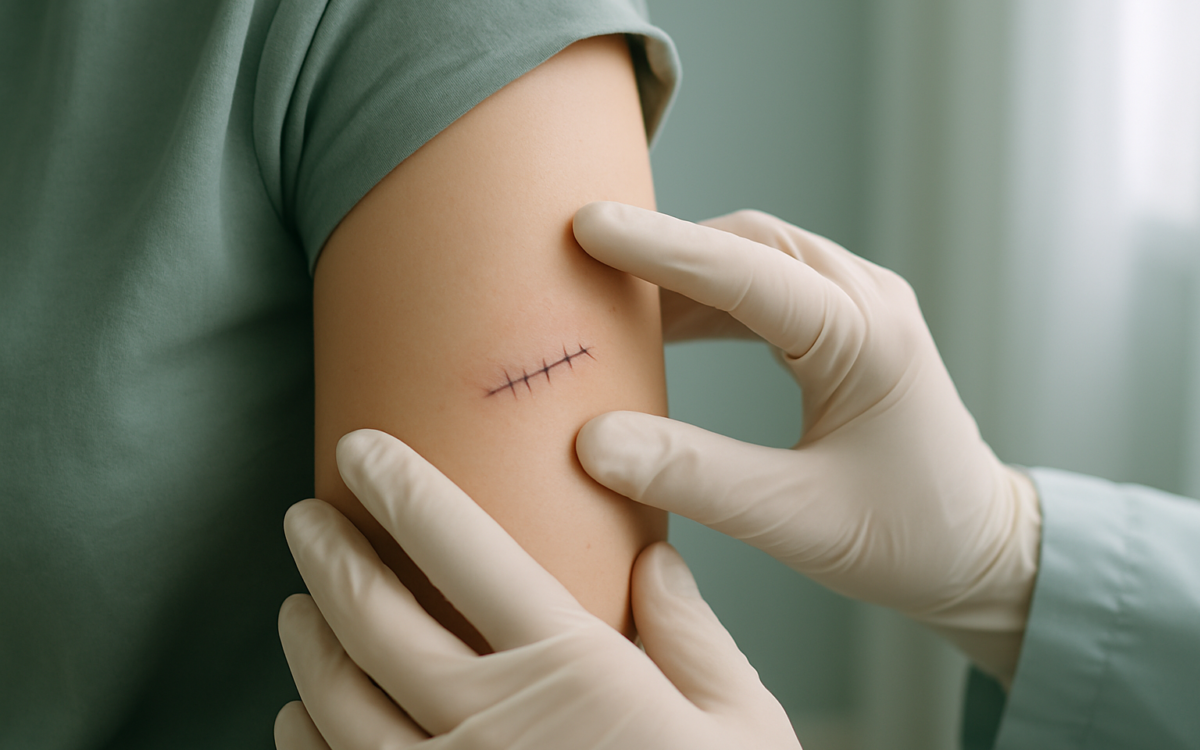
Dissolvable stitches, or absorbable sutures, have become a common choice for various medical procedures, especially for closing wounds where traditional stitches might be less ideal. If you’ve had surgery or an injury that required stitches, you may wonder how long these stitches generally last and what you can do to promote optimal healing. Let’s delve into the details!
What Are Dissolvable Stitches?
Dissolvable stitches are specially designed sutures that break down naturally in the body over time. They are made from natural or synthetic materials that are absorbed by the body as it heals. This is particularly helpful as it eliminates the need for a follow-up appointment to remove stitches. The key materials used in these stitches often include:
- Polyglycolic acid
- Polyglactin
- Polydioxanone
Dissolvable stitches are commonly used in various surgical procedures, including dental work, gynecological surgery, and general surgeries. It’s essential to know how these stitches work and the timeline for their absorption to understand what to expect during your recovery.
How Long Do Dissolvable Stitches Last?
The lifespan of dissolvable stitches can vary depending on several factors, mainly the type of material used and the location of the stitches. Generally, they last between 7 and 21 days before they begin to dissolve. Here’s a breakdown of expected timelines based on common types of absorbable sutures:
- Polyglycolic Acid (PGA): Typically dissolves within 10 to 14 days.
- Polyglactin (Vicryl): Generally starts absorbing around 14 days and can take up to 21 days.
- Polydioxanone (PDS): These can last longer, absorbing over a period of 90 days.
Factors such as the site of the stitches, the individual’s healing rate, and even the presence of infection can affect how quickly these stitches dissolve. For instance, stitches placed in areas subject to significant movement or tension, like joints, may dissolve faster due to the mechanical stress placed on them.
Signs of Healing
As your body heals, there are visible signs that may indicate how well the stitches are doing their job. Look out for the following signs:
- Reduced redness: While some redness is normal immediately after surgery, it should gradually decrease.
- Less swelling: Swelling in the area should subside as healing occurs.
- Drying of the incision: The area should become less moist as it heals, signaling that the stitches are working well.
It’s important to keep the area clean and dry. Following your healthcare provider’s instructions on wound care will ensure a smoother healing process. If you notice any significant changes, such as increased pain, unusual discharge, or fever, it’s crucial to consult a healthcare professional.
Care Tips for Dissolvable Stitches
Taking care of your stitches can help ensure that they dissolve properly and your wound heals without complications. Here are some tips to maintain optimal care:
- Keep it clean: Gently wash the area with mild soap and water to prevent infection.
- Avoid soaking: Steer clear of swimming pools, hot tubs, or baths until you’re given the all-clear by your doctor.
- Watch your activity level: Limiting strenuous activities may help reduce stress on the stitches.
Additionally, if you’re considering treatment in Turkey for any reason, make sure to inquire about the kind of stitches used in your procedure and the expected healing timeline associated with them. Understanding your options can also help in making informed healthcare decisions.
Potential Complications
While dissolvable stitches are generally safe, complications can still arise. Here are a few potential issues to be aware of:
- Infection: Signs may include increased redness, swelling, or pus.
- Delayed healing: Some individuals may experience slower healing based on their health, nutrition, or underlying conditions.
- Allergic reaction: In rare cases, the material used in the sutures can cause skin irritation.
If any of these symptoms occur, it’s crucial to reach out to your healthcare provider for guidance. Early intervention can make a significant difference in your recovery.
When to See a Doctor
Whenever you’re unsure about your healing process or if something feels off, it’s better to err on the side of caution. Consult a doctor if you experience:
- Signs of infection, such as fever or discharge
- Wound opening or increased pain
- No signs of healing after a reasonable time
Your doctor can provide the necessary advice, reassessment, and treatment if needed, as each healing process is unique and may require differing levels of care.
Conclusion
Dissolvable stitches play a vital role in the healing process for many surgical procedures by enhancing comfort and reducing the need for follow-up visits. By understanding how long they last and how to care for them, you can facilitate a smoother recovery. Always keep an open line of communication with your healthcare provider to ensure that your healing is proceeding as expected.
