
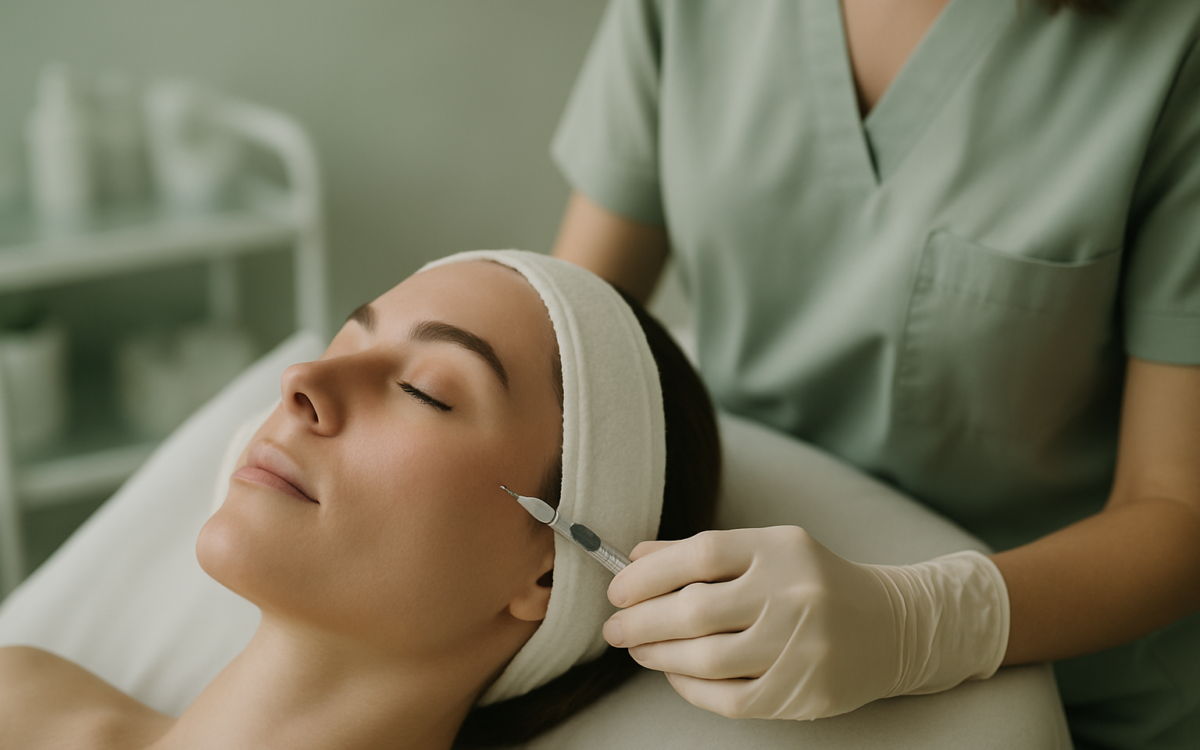
As we age, our skin naturally loses elasticity and volume, leading to wrinkles and sagging. For those looking to revitalize their appearance without going under the knife, non-surgical face lifts offer an appealing alternative. This article will explore the various options available, their benefits, potential risks, and what to consider when deciding on a facial rejuvenation strategy.
Understanding Non-Surgical Face Lifts
A non-surgical face lift refers to a range of cosmetic procedures that aim to improve facial appearance without the need for invasive surgery. These treatments can help lift and tighten the skin, reduce wrinkles, and restore a youthful glow. While results can vary, many people find that these options provide a noticeable boost in their appearance.
Types of Non-Surgical Face Lift Treatments
There are several popular non-surgical methods for facial rejuvenation, each with its unique benefits and techniques. Let’s take a closer look at some of the most common options:
1. Dermal Fillers
Dermal fillers are injectable treatments that replace lost volume in the face. Commonly made from hyaluronic acid, fillers can smooth wrinkles, enhance cheekbones, and plump lips. The effects typically last between six months to two years, depending on the type used and individual factors.
2. Botox
Botox, or botulinum toxin, is another widely recognized non-surgical treatment. It works by temporarily paralyzing the muscles that cause wrinkles, particularly in the forehead and around the eyes. The results typically last three to six months. Regular treatments can help maintain a smoother appearance over time.
3. Radiofrequency Treatments
Radiofrequency (RF) treatments utilize heat to stimulate collagen production and tighten the skin. This non-invasive procedure is performed using devices that send RF energy into the skin layers. The results can be gradual and may last for several months to years, depending on individual skin types and treatment protocols.
4. Ultrasound Therapy
Ultrasound therapy, such as Ultherapy, uses ultrasound energy to lift and tighten the skin on the face and neck. This treatment stimulates collagen production, leading to lasting improvements in skin firmness. Many people start seeing results after a few months, with outcomes continuing to improve over time.
5. Chemical Peels and Microdermabrasion
Chemical peels and microdermabrasion are often used in conjunction with other treatments to enhance skin texture. Chemical peels involve applying a solution to exfoliate the skin, revealing fresher layers underneath. Microdermabrasion uses tiny crystals to gently buff away dead skin cells, promoting a smoother appearance. Both treatments can improve skin tone and texture while providing a youthful glow.
The Benefits of Non-Surgical Face Lifts
Non-surgical face lifts come with various advantages that attract many individuals seeking to enhance their appearance:
- Minimal Downtime: Most non-surgical treatments require little to no recovery time compared to traditional surgery.
- Lower Cost: Generally, non-surgical options are more cost-effective than surgical procedures.
- Adjustable Results: With treatments like fillers and Botox, results can be adjusted during follow-up visits.
- Less Risk: Since these procedures are non-invasive, they typically come with fewer risks than surgical options.
Potential Risks and Considerations
While non-surgical face lifts are often considered safe, it’s crucial to be aware of potential risks:
- Side Effects: Common side effects can include swelling, bruising, and redness at the injection site.
- Results Variation: Not everyone may achieve the same results, and some may require multiple treatments for desired effects.
- Infection Risks: As with any cosmetic procedure, there’s a small risk of infection or complications if not performed by qualified professionals.
Before undergoing any treatment, it’s vital to research and consult with a licensed healthcare provider to understand your options fully.
Finding the Right Provider
Choosing the right practitioner for your non-surgical face lift is essential. Look for a provider who is board-certified in dermatology or plastic surgery and has extensive experience in aesthetic treatments. Ask for before-and-after photos of previous patients, and read reviews to ensure their reputation is solid. A reputable provider will discuss the expected outcomes and possible risks, ensuring you’re well-informed and comfortable with your choice.
When to See a Doctor
If you’re considering a non-surgical face lift, it’s important to consult a healthcare professional, especially if you have underlying health conditions or are taking medications. A qualified provider can help determine the best treatment for your specific needs and skin type while addressing any concerns you may have. For more information on facial aesthetics, consult resources from the National Institute of Health and the Mayo Clinic.
In conclusion, non-surgical face lifts present an exciting array of options for those looking to refresh their appearance. With minimal downtime and various techniques available, many find these treatments to be effective. However, thorough research and consultation with a qualified practitioner are essential steps to ensure safety and satisfaction with the results.
