
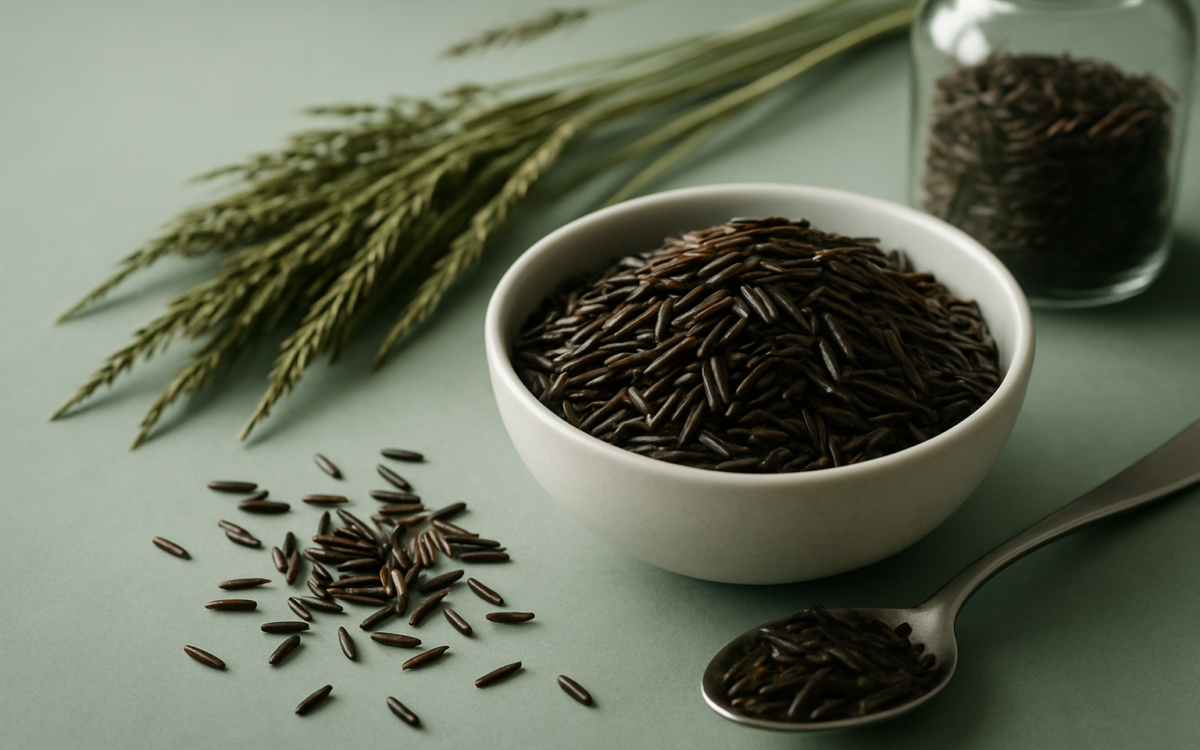
When you think of rice, you might picture a fluffy side dish that accompanies your favorite meals. But have you ever thought about wild wild rice? This unique grain is a staple for many and packed with health benefits, rich history, and culinary versatility. Let’s explore everything you need to know about wild wild rice.
What is Wild Wild Rice?
Wild wild rice isn’t actually rice; it’s an aquatic grass native to North America. Its scientific name is Zizania palustris, and it grows in shallow waters of lakes, rivers, and marshes. This grain has been a vital food source for Indigenous peoples for centuries, revered for both its taste and nutritional value.
The Nutritional Profile
Wild wild rice is often celebrated for its impressive nutritional content. It’s a great source of several essential nutrients:
- Protein: Wild rice contains more protein than white or brown rice, making it an excellent choice for vegetarians and vegans.
- Fiber: High fiber content aids digestion and can help maintain a healthy weight.
- Vitamins and Minerals: Rich in B vitamins, magnesium, phosphorus, and zinc, wild rice contributes to overall health.
- Antioxidants: Highlighted in various studies, wild rice is packed with antioxidants, which help combat oxidative stress and inflammation in the body. For more insights, check out this study from the NIH.
Health Benefits of Wild Wild Rice
Including wild rice in your diet can offer numerous health benefits:
Heart Health
The fiber and antioxidants found in wild wild rice support heart health by lowering cholesterol levels and reducing the risk of heart disease.
Weight Management
The high protein and fiber content make wild rice a filling and satisfying option for meals, which can help control hunger and support weight management.
Blood Sugar Control
With a low glycemic index, wild rice is less likely to cause spikes in blood sugar compared to other carbohydrate sources. This makes it a diabetic-friendly choice.
Culinary Uses of Wild Wild Rice
One of the best things about wild wild rice is its versatility in the kitchen. Here are some delectable ways you can utilize this superfood:
Salads
Mix cooked wild rice with fresh greens, nuts, fruits, and a tangy vinaigrette for a refreshing salad. It’s nutritious and provides a unique textural element.
Sides and Pilafs
Serve wild rice as a side dish or incorporate it into pilafs with vegetables, herbs, and spices for a vibrant and nutritious meal.
Soups and Stews
Add wild rice to soups and stews for added nutrition and a hearty feel. It absorbs flavors beautifully and enhances the dish’s overall appeal.
Stuffed Peppers
Combine wild rice with beans, lentils, or ground meat, and use this mix to stuff bell peppers. Bake until tender for a satisfying and wholesome dish.
How to Cook Wild Wild Rice
Cooking wild rice is simple and mimics the process of cooking other types of rice, though it typically takes longer:
- Rinse: Start by rinsing the wild rice under cold water to remove impurities.
- Boil: In a pot, combine four cups of water for every one cup of wild rice. Bring it to a boil.
- Simmer: Reduce heat, cover, and simmer for about 45 to 60 minutes until the grains split open and are tender.
- Drain: Once cooked, drain any excess water, and your wild rice is ready to use.
Buying and Storing Wild Wild Rice
When shopping for wild wild rice, look for whole grains that are dark in color and have a nutty aroma. Avoid any bags that contain broken or dull-looking grains. Here are some storage tips:
- Airtight Container: Store in an airtight container to keep it dry and maintain freshness.
- Cool, Dark Place: Keep wild rice in a cool, dark place, away from direct sunlight and heat, which can degrade its quality.
- Refrigeration: For longer shelf life, consider refrigerating or freezing dried wild rice.
When to See a Doctor
If you experience any adverse reactions after consuming wild rice or if you have concerns about its inclusion in your diet, it’s important to consult your healthcare provider. Additionally, if you have diabetes or specific dietary restrictions, speaking with a nutritionist may be beneficial.
In conclusion, wild wild rice is a remarkable grain that offers not just nutritional value but also a deep connection to history and culture. Whether you cook it as a side dish, throw it into a salad, or experiment with it in your recipes, this superfood proves to be a delightful addition to any meal.
