
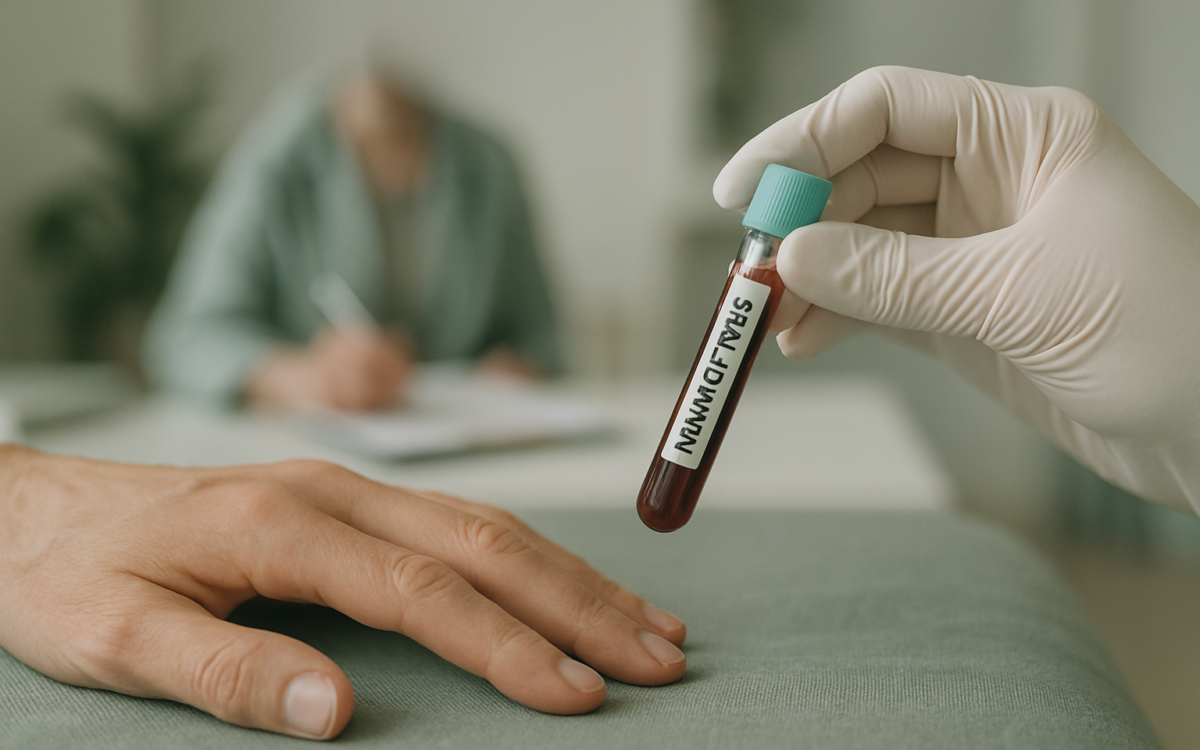
Your blood contains many types of cells, each serving an essential function in your body. Among these are monocytes, a type of white blood cell that plays a crucial role in your immune system. But what happens when your levels of monocytes are low? Understanding the implications of low monocytes can help you become more proactive about your health.
What Are Monocytes?
Monocytes are a type of white blood cell produced in the bone marrow. They make up about 2-8% of the total white blood cell count in a healthy individual. Their primary role is to defend the body against pathogens such as bacteria and viruses. Monocytes can migrate into tissues and transform into macrophages or dendritic cells, which help to cleanse the body of pathogens and debris.
What Does Low Monocyte Count Indicate?
A low monocyte count, known medically as monocytopenia, can signal various health issues. While a low monocyte level might not be alarming on its own, it can indicate that the bone marrow, where these cells are produced, may not be functioning properly or that your body is fighting against something more severe. Common causes for a low count include:
- Infections: Certain infections can deplete your monocyte levels, particularly those that lead to systemic inflammation.
- Nutritional Deficiencies: Deficiencies in nutrients, such as vitamin B12 or folate, can impact your blood cell production.
- Bone Marrow Disorders: Conditions such as aplastic anemia or leukemia can lower the production of monocytes.
- Autoimmune Disorders: Some autoimmune diseases can lead to low monocyte levels as your immune system attacks its own cells.
Common Symptoms of Low Monocytes
Many individuals with low monocytes may not experience noticeable symptoms, especially if the condition is mild. However, decreased levels can result in a weakened immune system, which may lead to increased susceptibility to infections. Symptoms to look for might include:
- Frequent infections or slow recovery from illnesses
- Unexplained fatigue or weakness
- Fever or signs of inflammation
If you experience any of these symptoms, especially alongside low monocyte readings from a blood test, it’s important to consult a healthcare provider for a thorough assessment.
How Is Low Monocyte Count Diagnosed?
Diagnosing low monocyte levels typically begins with a complete blood count (CBC), a common blood test that measures various components in your blood, including monocyte levels. If results show a low count, your doctor may recommend additional tests to determine the underlying cause. These tests may include:
- Bone marrow biopsy to assess bone marrow function
- Blood tests to check levels of vitamins and minerals
- Tests for infectious diseases or autoimmune disorders
Evaluating your medical history and symptoms also plays a key role in diagnosing the issue.
Potential Consequences of Low Monocytes
While low monocytes don’t always indicate a severe problem, they can expose you to various health risks if left unaddressed. Some of the potential consequences include:
- Increased Infection Risk: With fewer monocytes, your body may struggle to combat infections which could lead to increased frequency or severity of illnesses.
- Chronic Inflammation: Low levels might contribute to a state of chronic inflammation in some individuals, potentially leading to complications over time.
- Delayed Wound Healing: A weakened immune response can also slow down recovery from injuries or surgeries.
Addressing low monocyte levels, particularly if they are symptomatic or related to an underlying condition, is crucial for maintaining good health.
Management and Treatment Options
Managing low monocytes largely revolves around treating the underlying cause. For example, if nutritional deficiencies are identified, taking dietary supplements or making dietary adjustments may be recommended. If an infection or bone marrow disorder is responsible, specific treatments, such as antibiotics or chemotherapy, may be necessary. Here are some approaches healthcare providers might suggest:
- Nutritional Interventions: Eating a balanced diet rich in essential vitamins and minerals can support overall blood health.
- Regular Monitoring: Regular follow-up blood tests may be necessary to monitor your levels and response to treatment.
- Medication: Depending on the cause, medications may be prescribed to enhance your immune response or treat any underlying conditions.
Making sure to engage in regular exercises and managing stress can also help support your immune function.
When to See a Doctor
If you’ve had a blood test that shows low monocyte levels, it’s important to consult a healthcare provider. Additionally, seek medical advice if you experience fever, recurrent infections, or any unusual symptoms that could indicate an immune system problem. Early diagnosis and treatment can lead to better health outcomes.
In conclusion, understanding what low monocyte levels mean for your health is an important step in ensuring you maintain a resilient immune system. Regular check-ups, awareness of your body, and informed discussions with your healthcare provider can help you navigate potential health challenges effectively. If you’re ever in doubt or concerned about your health, don’t hesitate to reach out to a healthcare professional for guidance.
