
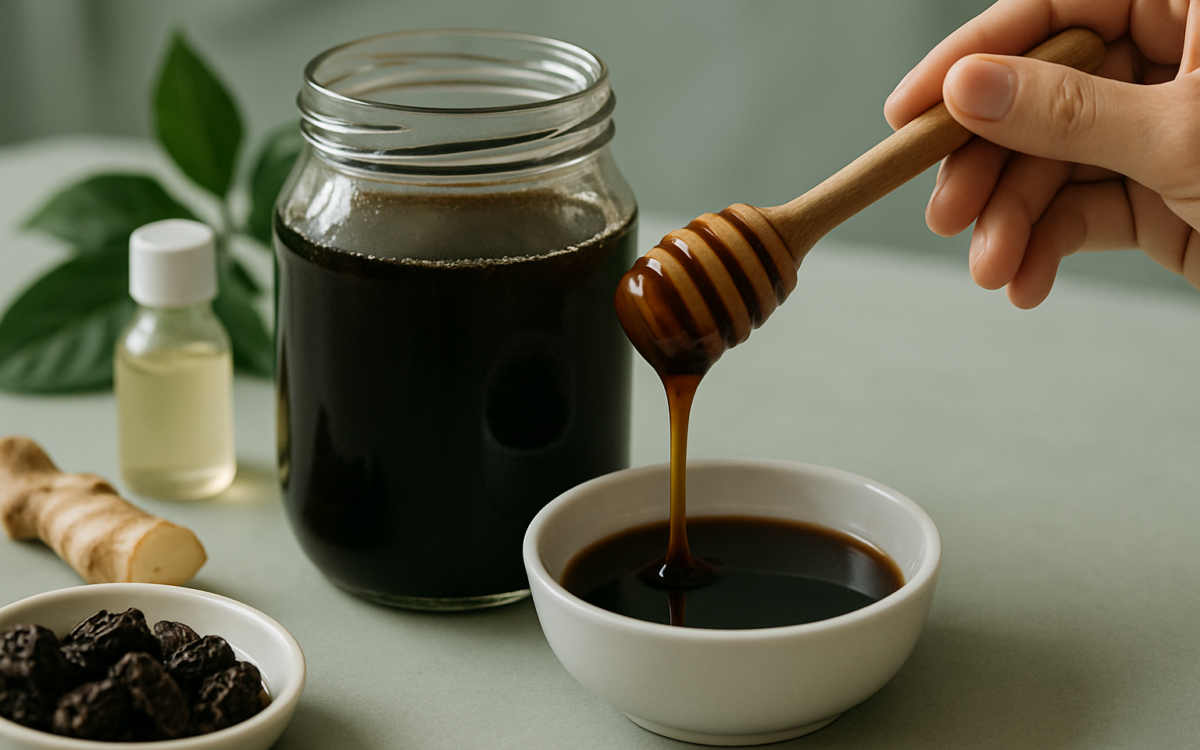
Honey comes in many varieties, but few are as intriguing as black Thai honey. Known for its deep color and rich flavor, this unique honey is more than just a sweetener; it boasts numerous health benefits and is adored in traditional medicine. In this article, we will explore what makes black Thai honey stand out, its potential health benefits, and how you can incorporate it into your daily routine.
What is Black Thai Honey?
Black Thai honey is produced by bees that pollinate a variety of plants in Thailand, particularly the **black forest** areas. It is typically darker than regular honey due to the unique nectar source, which includes a variety of trees and flowers. This honey is largely unprocessed, preserving its natural nutrients.
Rich Nutritional Profile
This honey is an excellent source of antioxidants, vitamins, and minerals. It’s packed with:
- Vitamin C
- Calcium
- Iron
- Potassium
These nutrients help combat free radicals in the body, which can lead to cell damage and contribute to various chronic diseases. Regularly consuming antioxidant-rich foods, including black Thai honey, can support overall health.
Potential Health Benefits
1. Boosts Immune Function
Black Thai honey may help enhance your immune system. The antibacterial properties found in honey can help prevent infections. According to research conducted by the NIH, honey has been shown to possess immunomodulatory effects. This means it can help regulate and strengthen the immune response.
2. A Natural Cough Suppressant
If you’re struggling with a cough or sore throat, black Thai honey could provide relief. A study published in the Journal of Alternative and Complementary Medicine highlighted honey’s effectiveness against coughs, particularly in children. While it’s essential to avoid giving honey to kids under one year old, it can soothe your throat and reduce coughing for older individuals.
3. Skin Health Benefits
When applied topically, black Thai honey may promote skin health. Its natural humectant properties help retain moisture, making it an excellent ingredient in homemade face masks. Additionally, the anti-inflammatory effects can help soothe skin irritations and reduce redness.
How to Incorporate Black Thai Honey into Your Diet
Adding black Thai honey to your diet is simple and enjoyable. Here are some ideas:
- Sweeten Your Tea: Use black Thai honey as a sweetener in herbal or green tea for a delicious flavor boost.
- Mix into Breakfast: Drizzle it over oatmeal or yogurt for added sweetness and nutrition.
- Baking Substitute: Substitute regular sugar with black Thai honey in baked goods, adjusting for sweetness.
Just remember that moderation is key, as honey is still high in sugars.
Safety Considerations
While black Thai honey is generally considered safe for most people, there are some important considerations:
- Allergic Reactions: If you have a known allergy to bee products, you should avoid honey. Symptoms can include itching, swelling, and difficulty breathing.
- Age Restrictions: Honey should not be given to children under 12 months of age due to the risk of botulism, which can be dangerous for infants.
Always start with a small amount to see how your body reacts, especially if you are introducing it into your diet for the first time.
When to See a Doctor
If you experience any allergic reactions after consuming black Thai honey, such as hives, swelling, or difficulty breathing, seek immediate medical attention. Additionally, if you are managing a specific health condition or are pregnant, consult with your healthcare provider before regularly incorporating new foods into your diet.
Conclusion
Black Thai honey is a unique and nutrient-rich natural sweetener that not only tantalizes the taste buds but also enriches your diet with antioxidants and potential health benefits. Whether you use it for its culinary delights or its medicinal properties, this honey is a delicious way to enrich your overall wellness. As with any natural product, moderation is essential, and discussing any dietary changes with your healthcare provider is always a prudent approach.
