
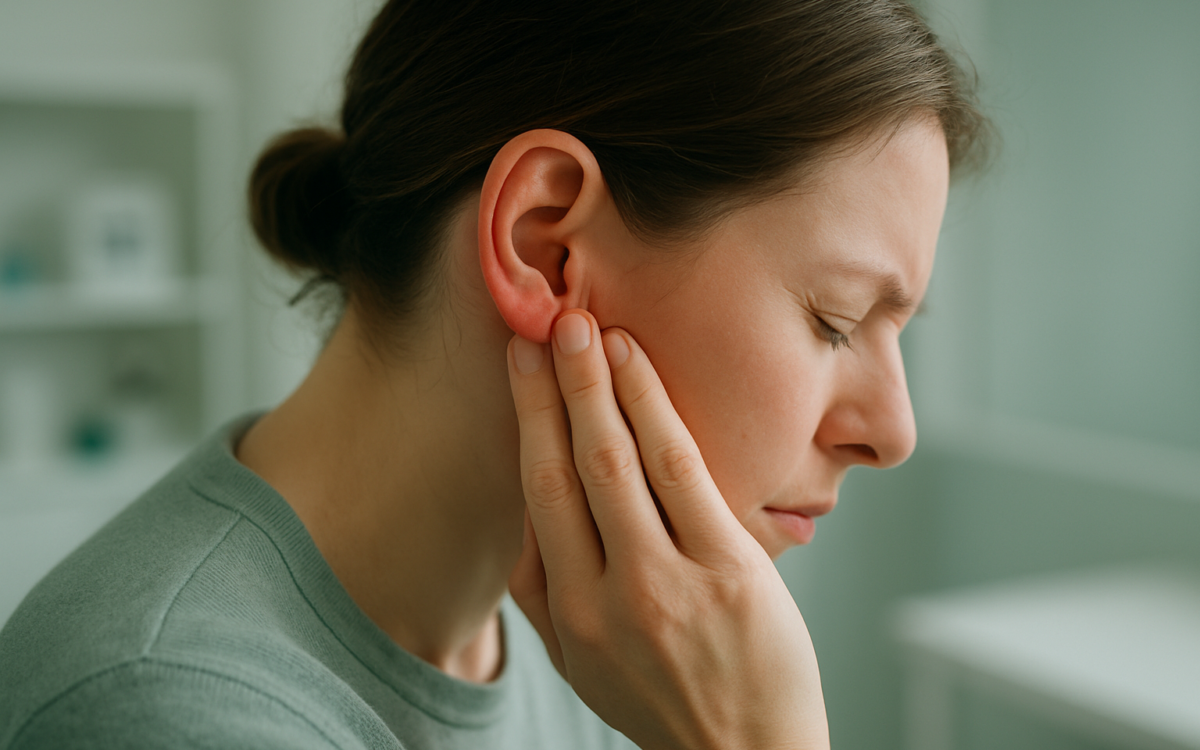
Many people experience the discomfort of clogged ears at some point in their lives. This sensation can create a feeling of fullness or pressure, and it may even affect hearing. While it’s often temporary and harmless, understanding the common causes and how to address them can help relieve discomfort and restore ear health.
What causes ear clogging?
Ear clogging can result from various factors, including:
- Earwax buildup: The ear produces wax to protect itself, but sometimes too much wax can accumulate, leading to blockage.
- Sinus problems: Issues like sinus infections or allergies can cause mucus to build up, which may affect the ear’s Eustachian tubes.
- Changes in altitude: Rapid changes in altitude, like during a flight or driving through mountains, can affect ear pressure.
- Colds and respiratory infections: These illnesses can cause swelling and congestion, which can influence the ears.
How do you know if your ear is clogged?
The signs of a clogged ear vary, but common symptoms include:
- A feeling of fullness or pressure in the ear
- Decreased hearing ability
- Tinnitus (ringing or buzzing in the ear)
- Earache or discomfort
These symptoms can be annoying, but they are usually temporary and often resolve on their own.
Simple remedies for ear clogging
If you’re dealing with a clogged ear, there are simple remedies you can try at home:
1. Swallowing or yawning
Swallowing, yawning, or chewing gum can help open your Eustachian tubes, balancing the pressure in your ears.
2. Warm compress
A warm cloth placed against the ear may help soothe discomfort and ease congestion.
3. Steam inhalation
Inhaling steam from a bowl of hot water or taking a warm shower can help relive sinus pressure that may be affecting your ears.
4. Nasal saline rinses
Using saline sprays or rinses can clear out mucus and help open any blocked passages.
5. Avoiding water in the ear
While swimming or bathing, using earplugs can help prevent water from getting trapped in your ears.
When is earwax a problem?
While earwax is natural, problems arise when it builds up too much. Excessive earwax can harden and block the ear canal, leading to symptoms of clogging. If you suspect earwax is the cause:
- Avoid using cotton swabs, as they can push the wax further in.
- Consider using over-the-counter ear drops designed to soften earwax.
- Seek professional help if you’re unsure or if symptoms persist.
When to see a doctor
While clogged ears are often not serious, it’s essential to know when to consult a doctor. Seek medical advice if:
- You experience severe pain or discomfort in the ear
- There is noticeable swelling or redness around the ear
- You have a fever or experience drainage from the ear
- Symptoms persist for more than a few days
Consulting a healthcare professional can provide necessary relief and help prevent complications. They may recommend treatments such as prescribed medications or provide further evaluations.
Preventative measures for ear health
To maintain healthy ears and minimize the risk of clogging, consider these tips:
- Keep nasal passages clear, especially during colds or allergy seasons.
- Manage allergies proactively with appropriate medications.
- Be cautious during altitude changes; yawn or swallow frequently during flights.
- Regular check-ups with a healthcare provider to discuss any ear issues.
By paying attention to changing conditions and taking preventative actions, you can help keep your ears healthy.
For more information regarding ear health and common conditions, the National Institutes of Health and Centers for Disease Control and Prevention offer a wealth of resources.
Understanding ear clogging can help alleviate discomfort and preserve your hearing health. While it usually resolves on its own, being aware of the causes and remedies empowers you to take control of your ear health. Don’t hesitate to seek medical advice if you have concerns.
