
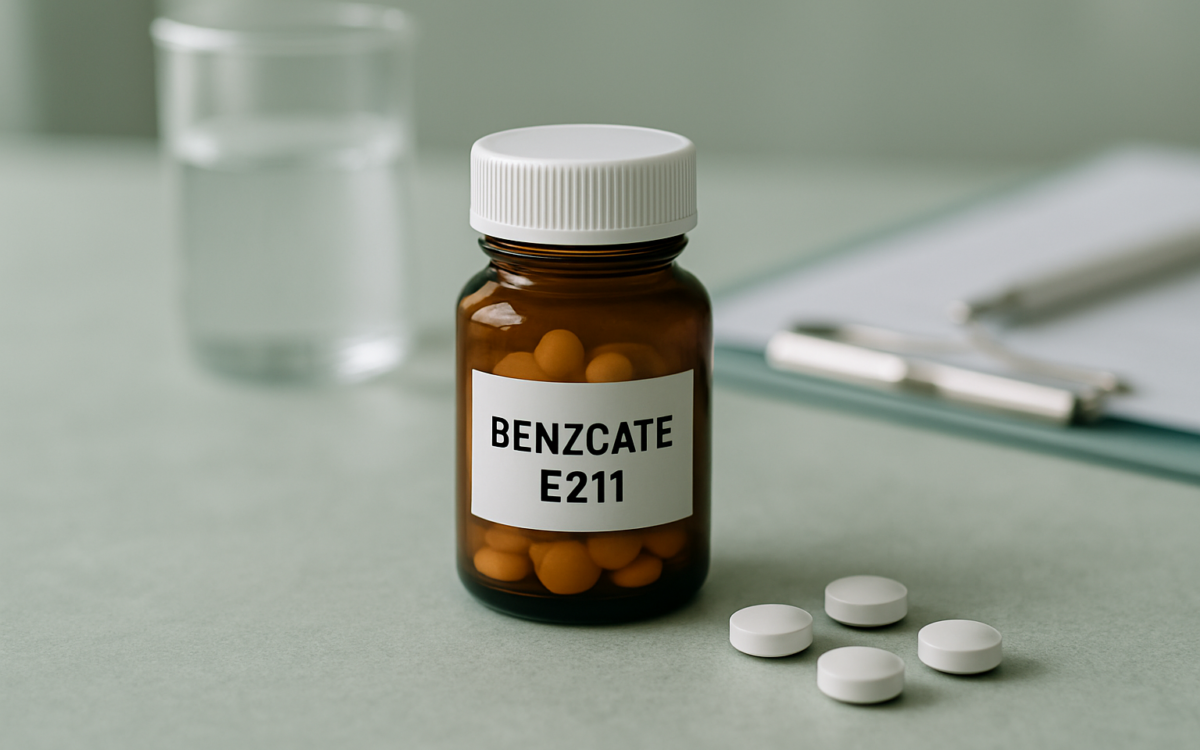
You’ve likely encountered a long list of ingredients on food labels, but some may baffle you. One such additive is benzoate E211, a preservative used in many processed foods and beverages. Understanding what this substance is and whether it’s safe can help you make informed dietary choices.
What is Benzoate E211?
Benzoate E211, also known simply as sodium benzoate, is a widely used preservative in the food industry. It is derived from benzoic acid, a substance naturally found in some fruits, like cranberries and prunes. It is most commonly used to inhibit the growth of yeast, bacteria, and fungi in various food products, thus extending their shelf life.
Where is Benzoate E211 Found?
You can find benzoate E211 in a variety of products, primarily processed foods. Common examples include:
- Sodas and soft drinks
- Fruit juices
- Pickles and other canned goods
- Jams and jellies
- Condiments, like ketchup and salad dressings
It’s important to read labels to identify products containing this additive, particularly if you are trying to avoid certain ingredients.
How Does It Work?
In its role as a preservative, benzoate E211 prevents spoilage by disrupting the metabolism of yeast and bacteria. When the pH level of a food product is below 7 (acidic), benzoate can effectively keep pathogens at bay, making it particularly useful in acidic foods like salad dressings and sodas.
Is Benzoate E211 Safe?
Many regulatory bodies, including the U.S. Food and Drug Administration (FDA) and the World Health Organization (WHO), have deemed benzoate E211 safe for consumption in moderate amounts. Studies have shown that it is generally well-tolerated. However, some people may experience adverse reactions, particularly those who are sensitive to food additives.
Possible Health Concerns
While the FDA considers benzoate E211 safe, some health concerns have arisen:
1. Allergies and Sensitivities
A small number of individuals may have allergies to benzoate compounds. Symptoms can include skin rashes or respiratory issues. If you suspect a sensitivity, it’s advisable to consult with a healthcare professional.
2. Hyperactivity in Children
Some studies have raised concerns about a possible link between benzoates and hyperactive behavior in children. A report from a study conducted by the National Institutes of Health (NIH) indicated that removing certain food additives might reduce hyperactivity symptoms in some children. However, more research is necessary to establish a direct correlation.
3. Conversion to Benzene
When benzoate E211 is exposed to high heat and light, particularly in the presence of vitamin C, it can convert to benzene, a known carcinogen. Fortunately, regulatory agencies monitor levels in food products to ensure they remain within safe margins.
Alternatives to Benzoate E211
If you’re looking to avoid benzoate E211, there are several natural alternatives you can utilize in your food choices. These include:
- Natural preservatives like vinegar and salt
- Natural antioxidants like vitamin E and rosemary extract
- Fermentation methods, which also add beneficial probiotics
Choosing fresh, whole foods can also reduce your exposure to artificial preservatives.
When to See a Doctor
If you suspect that you may be experiencing allergies or sensitivities to benzoate E211 or any other food additives, it’s important to seek medical advice. Symptoms such as skin reactions, breathing difficulties, or persistent hyperactivity in children should prompt a discussion with a healthcare professional.
Conclusion
Benzoate E211 is a common food preservative that extends the shelf life of many products, and regulatory bodies consider it safe when consumed within recommended limits. While some individuals may have sensitivities or health concerns related to this additive, awareness and careful ingredient monitoring can help you make healthier food choices. Remember, if you have ongoing health concerns, consulting your doctor is the best approach.
