
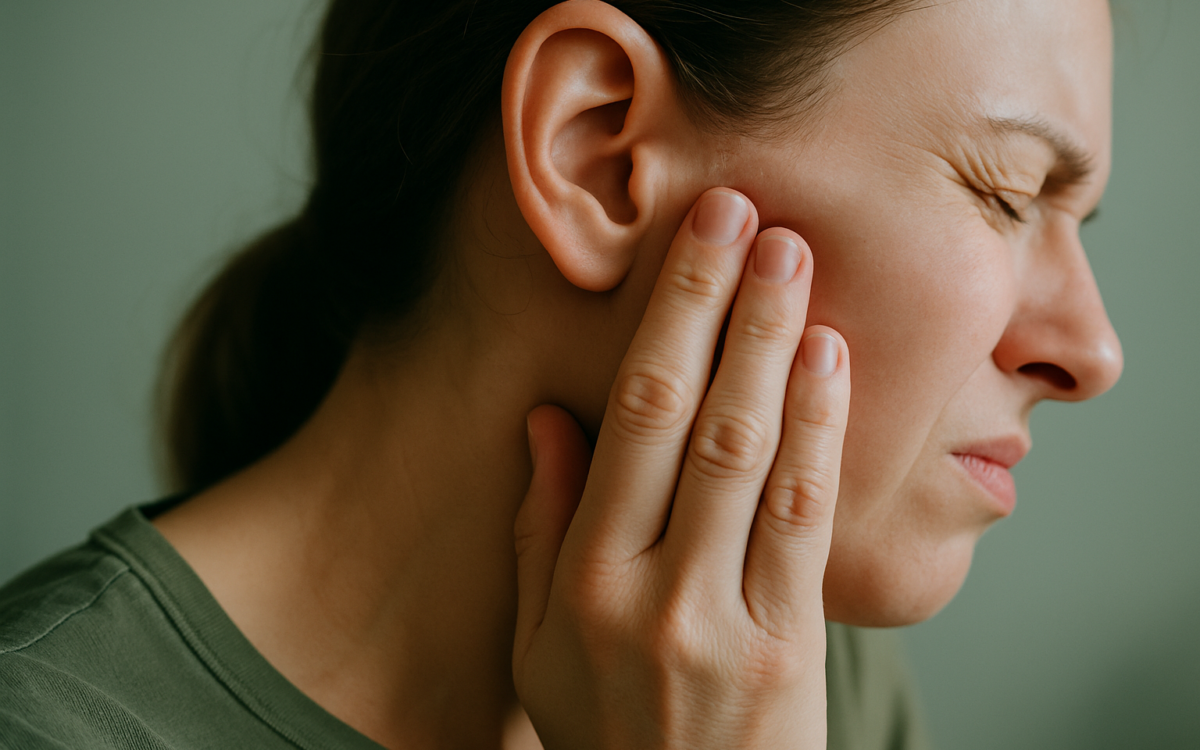
Have you ever experienced an aching jaw and ear at the same time? This uncomfortable combination can leave you feeling frustrated and concerned. Understanding these symptoms is essential, as they can stem from various causes, ranging from dental issues to more serious conditions. Here’s a deep dive into what might be causing your pain, potential treatments, and when to seek medical attention.
Common causes of jaw and ear pain
Several factors can contribute to an aching jaw and ear. Some of the most common causes include:
- Temporomandibular Joint Disorder (TMJ): TMJ affects the joint connecting your jawbone to your skull. It can cause pain in the jaw, which may radiate to the ear.
- Dental Issues: Tooth infections, cavities, or grinding your teeth (bruxism) can lead to pain in the jaw and ears.
- Sinus Congestion: Infections or allergies can cause your sinus cavities, located close to your jaw, to become inflamed. This inflammation can lead to pressure and pain in both areas.
- Tension Headaches: Stress and muscle tension can cause your jaw to tightrope and trigger ear discomfort as well.
- Migraines: Some migraines can cause referred pain, affecting the jaw and ear regions.
Understanding TMJ Disorder
TMJ disorders are particularly common and can affect a significant number of adults. Symptoms include clicking or popping sounds when moving the jaw, pain during chewing, and headaches. TMJ can result from injury, stress, or arthritis.
Treatment options for TMJ include physical therapy, medications, and in some cases, dental orthotics to realign the jaw. If you suspect you might have TMJ, consider consulting a dental professional who is experienced in these conditions.
Dental problems and their impact
Your dental health plays a crucial role in the overall well-being of your mouth, jaw, and ears. Common dental issues like cavities or abscesses can produce not only localized pain but also discomfort that radiates to your jaw and ear. If you suspect a dental issue, it’s wise to schedule an appointment with your dentist. They can diagnose the condition and offer a treatment plan to relieve your symptoms.
When sinus issues strike
Sinus congestion can be a surprising culprit when it comes to ear and jaw pain. Inflamed sinus cavities can create pressure that leads to discomfort in these areas. If you are experiencing other symptoms, such as nasal congestion, headaches, or facial pain, it may be worth exploring this connection.
Over-the-counter treatments, such as decongestants or nasal sprays, can help relieve symptoms associated with sinus issues. However, if symptoms persist or worsen, seeking advice from a healthcare provider is recommended.
Considering international treatment options
For those experiencing chronic or debilitating jaw and ear pain, it’s worth considering various treatment options available globally. Facilities like Acibadem International offer comprehensive services, including specialized assessments in pain management and dental care. Access to alternative therapies or specialists in different countries may provide new avenues for diagnosis and relief.
When to see a doctor
While mild discomfort can often be resolved with home care, there are situations where professional medical advice is crucial. You should consult a healthcare provider if you experience:
- Persistent or worsening pain
- Swelling in the jaw or face
- Difficulty in opening your mouth
- Hearing loss or ringing in the ears
- Fever, or signs of infection
Conclusion
An aching jaw and ear can be a confusing and uncomfortable experience, but understanding the potential causes can help you find the right path to relief. Remember, addressing symptoms early and considering professional advice can lead to more effective treatment and a quicker return to comfort.
