
When we think about the legs, we often consider their role in movement and support. However, understanding how to maintain their health can be just as vital. One concept that plays a significant role in leg functionality is the extension of the leg, commonly referred to as ‘ext leg’ in fitness and health circles. In this article, we will explore the importance of leg extensions, how they affect leg health, and what individuals can do to ensure their legs remain strong and functional.
What is Ext Leg?
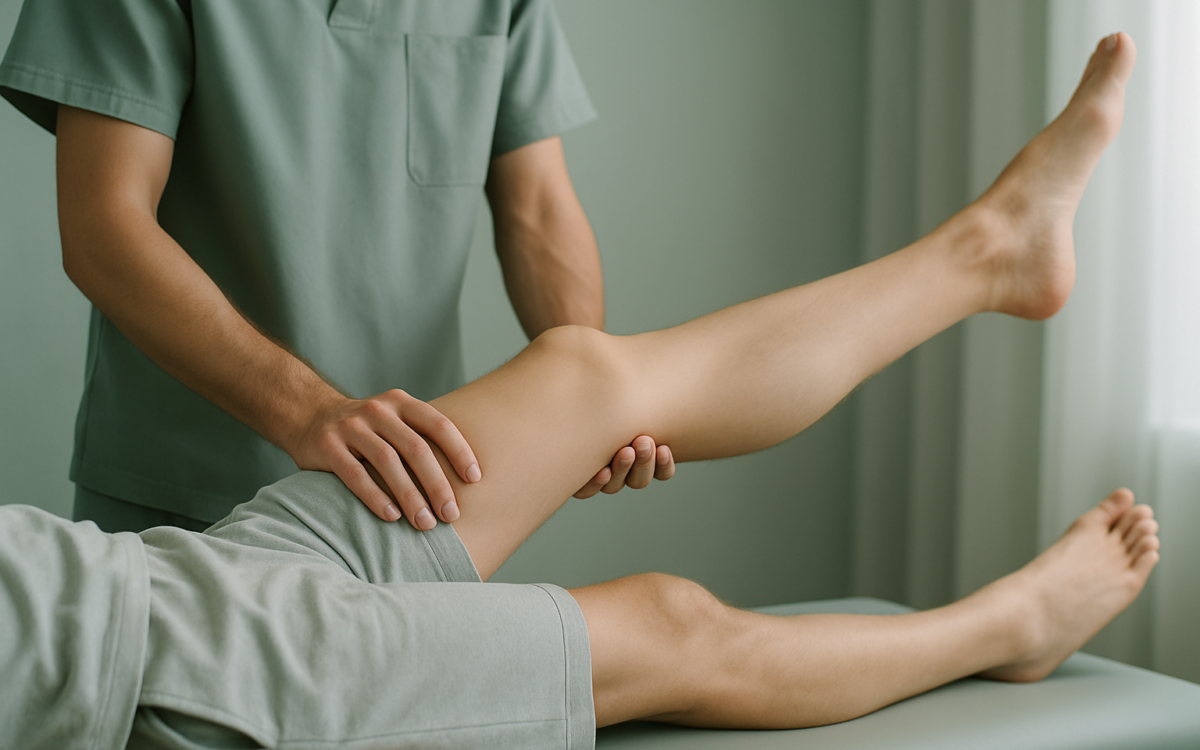
The term ‘ext leg’ typically refers to the extension of the leg either in a physical exercise context or in a medical sense. In fitness, it often pertains to exercises that focus on extending the legs, targeting the quadriceps, hamstrings, and calves. In a more medical context, understanding how the legs should extend can help identify certain conditions or abnormalities.
The Importance of Leg Extensions
Leg extensions are a crucial part of any fitness routine. They help to:
- Strengthen muscles: Leg extensions primarily work the quadriceps, which are essential for walking, running, and jumping.
- Enhance flexibility: Regularly extending your legs can improve flexibility in the hips and knees, allowing for a more significant range of movement.
- Improve joint function: By keeping leg muscles strong and flexible, we’re also supporting joint health and function.
Furthermore, leg extensions can help prevent injuries. Strengthening the muscles around the knees can provide better support and stability, reducing the risk of conditions like patellar tendonitis or runner’s knee.
Common Conditions Related to Leg Extensions
Some common conditions that can affect leg extension include:
1. Tendonitis
Tendonitis is an inflammation or irritation of a tendon, the tissue that connects muscle to bone. In the legs, this is often seen in the knee and can lead to pain during activities that involve extension.
2. Ligament Injuries
Ligament injuries can significantly impact a person’s ability to extend their legs fully. Conditions like an ACL tear can limit not just the range of motion but also lead to chronic pain and instability.
3. Arthritis
Arthritis, particularly osteoarthritis, can lead to swelling, pain, and decreased flexibility in the knees, making it difficult to extend the legs properly. This condition is common in older adults, but younger individuals can also be affected.
How to Perform Safe Leg Extensions
Leg extension exercises can easily be performed with little to no equipment. Here’s how to do it safely:
Bodyweight Leg Extensions
1. Start Position: Stand upright with your feet shoulder-width apart.
2. Extension: Slowly lift one leg in front of you, keeping the knee straight. Hold for a moment before lowering it back to the ground.
3. Repetitions: Perform 10-15 repetitions on each leg, ensuring to maintain control and avoid jerking motion.
Seated Leg Extensions
1. Start Position: Sit at the edge of a sturdy chair with your feet flat on the ground.
2. Extension: Slowly extend one leg outward until it is fully extended, then lower it back down.
3. Repetitions: Aim for 10-15 repetitions on each leg, focusing on maintaining good posture throughout the movement.
Preventing Leg Problems
To prevent leg issues and ensure your legs remain healthy, consider these tips:
- Stay Active: Regular exercise, particularly activities that target leg strength, are crucial. Walking, swimming, or cycling can all be beneficial.
- Stretch: Incorporate stretching into your routine to enhance flexibility and decrease the risk of injury.
- Listen to Your Body: Pay attention to any pain or discomfort. If you notice recurring issues, consult a healthcare professional.
When to See a Doctor
If you experience significant pain during leg extensions, swelling, or have difficulty moving your legs, it might be time to consult a doctor. Additionally, if you notice any deformities in your legs or experience persistent pain that doesn’t go away with rest, seeking professional advice is vital. Early intervention can lead to better outcomes and improved leg health.
For more guidance on leg health, the National Heart, Lung, and Blood Institute and the Centers for Disease Control and Prevention are reputable resources for further information.
Conclusion
Understanding the concept of ext leg and its significance in maintaining leg health is essential for everyone, regardless of age or activity level. Incorporating regular leg extension exercises, staying active, and paying attention to any signs of distress can help you maintain strong, healthy legs. Remember, if you have concerns about your leg health, consulting a healthcare professional is always a smart choice.
