
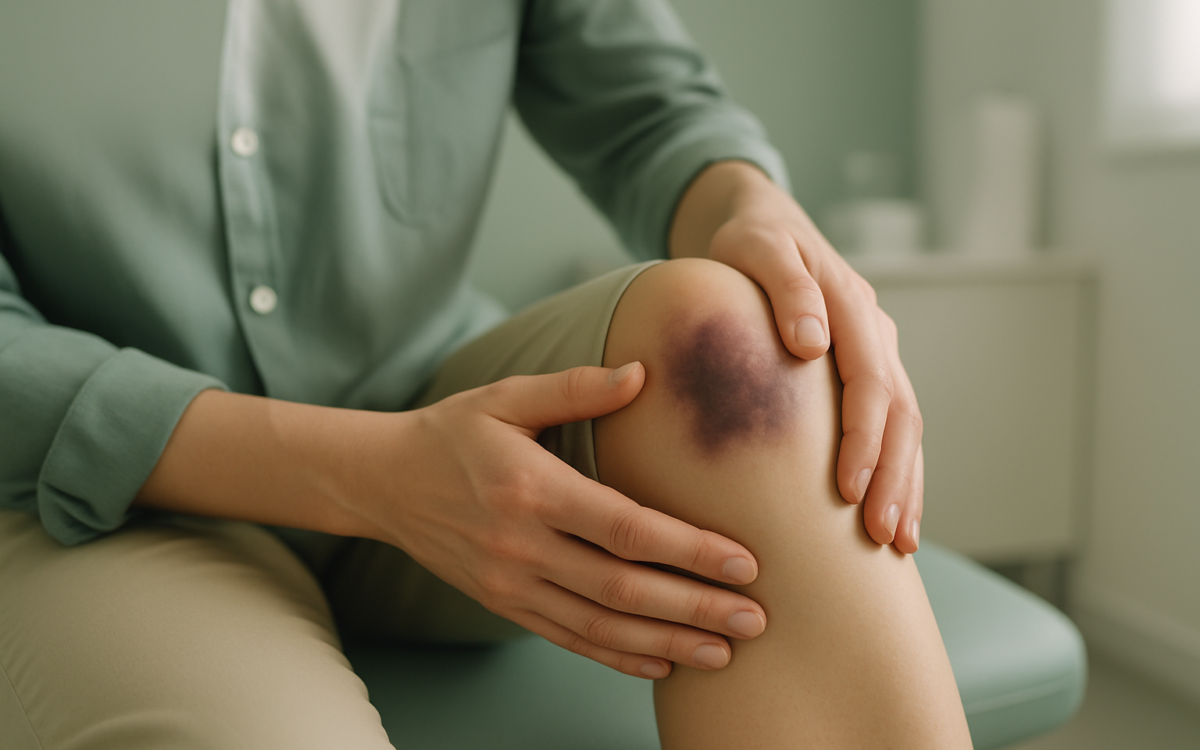
Experiencing a sudden, sharp pain after a fall or an impact can be concerning. If you’ve landed hard or bumped into something, you might be dealing with a bruised bone. This condition, often overlooked, can cause significant discomfort and requires proper attention and understanding.
What is a bruised bone?
A bruised bone, also known as a bone contusion, occurs when an injury causes bleeding in the bone tissue. This can happen during sports, accidents, or falls. Unlike a fracture, which is a complete break in the bone, a bruised bone involves damage to the inner layers of the bone while the outer structure remains intact.
Common causes of bruised bones
- Sports injuries: High-impact activities like football or basketball increase the risk of a bruised bone due to direct hits or falls.
- Falls: Accidental slips or trips can lead to bruising, especially in older adults.
- Car accidents: The force of a collision can cause severe impact to bones.
- Osteoporosis: Weakened bones are more susceptible to bruising even with minimal trauma.
Signs and symptoms
Identifying a bruised bone can be tricky, but there are several indicators to look for:
- Pain: It can be localized or radiate to surrounding areas.
- Swelling: This may occur at the injury site, sometimes extending to nearby tissues.
- Discoloration: Although less visible than skin bruising, there might be swelling that is slightly discolored.
- Limited mobility: The injured area may experience difficulty with movement or function.
Diagnostic methods
If you suspect a bruised bone, doctors will typically conduct a thorough evaluation. They may use the following methods:
- Physical examination: Checking for swelling, bruising, and tenderness in the affected area.
- X-rays: While they can’t show a bone bruise, they help rule out fractures.
- MRI scans: These are more effective in visualizing the extent of bone contusions and their impact on surrounding tissues.
Management and recovery
While bruised bones can be painful, many people recover without extensive treatment. Here are the common management strategies:
- Rest: Giving your body time to heal is essential. Avoid putting weight on the injured area.
- Icing: Apply ice packs to reduce swelling. Make sure to wrap ice in a cloth to protect your skin.
- Elevation: Elevate the affected limb to decrease swelling.
- Pain relief: Over-the-counter medications, such as ibuprofen or acetaminophen, can help manage pain and inflammation. Consult your doctor before taking any medication.
When to see a doctor
Although bruised bones often heal with time and care, certain situations warrant a doctor’s visit:
- If pain intensifies or does not improve after a few days.
- When swelling or discoloration increases.
- If you’re unable to bear weight or move the affected area.
- When you experience significant bruising without a clear cause, which could indicate a more serious condition.
Preventive measures
Taking steps to reduce the risk of a bruised bone starts by focusing on safety:
- Wear protective gear: Use appropriate equipment for sports or activities to minimize injury risk.
- Stay active: Regular exercise can help maintain bone strength and improve balance.
- Bone health: Consume a balanced diet rich in calcium and vitamin D, and consider supplements if needed to strengthen bones.
Final thoughts
A bruised bone can be an uncomfortable experience, but understanding its nature can help you cope with the symptoms and promote healing. Take the time to care for yourself, and don’t hesitate to reach out to a healthcare professional if your symptoms persist or worsen. Staying informed is the first step towards recovery.
