
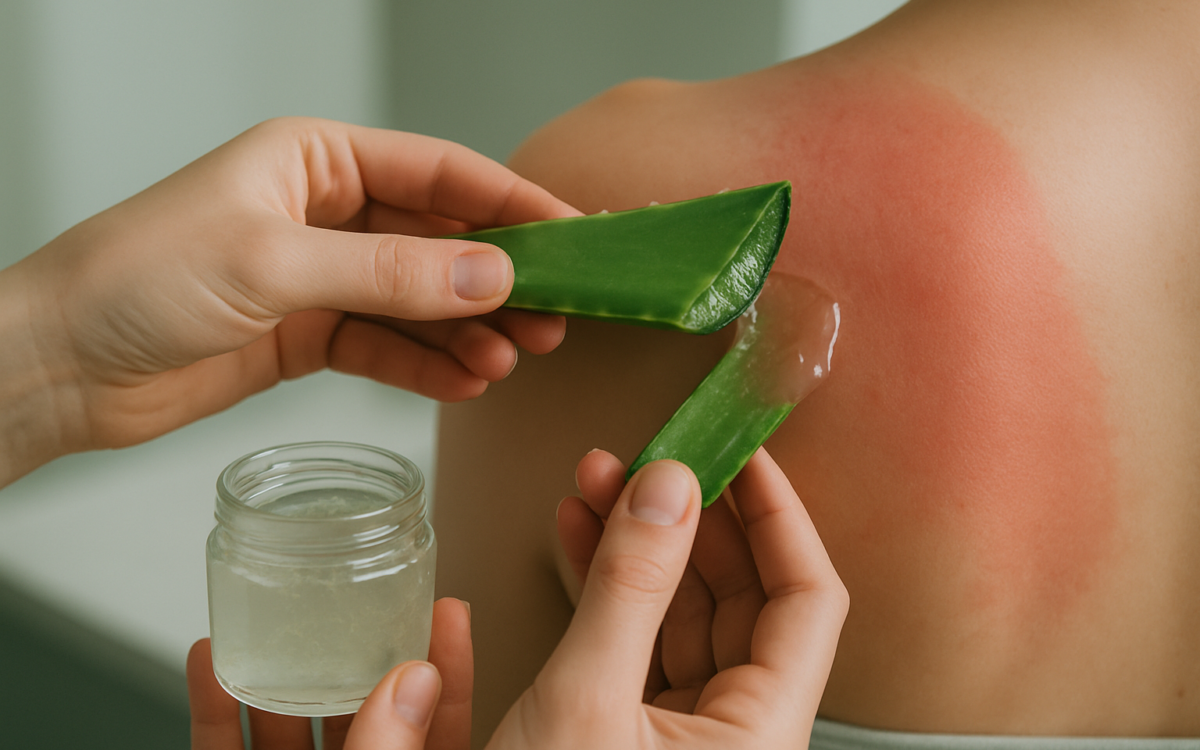
After a long day in the sun, few feelings are less pleasant than discovering you have a sunburn. The burning sensation can be overwhelming, and the redness that follows is a sure sign that your skin needs some TLC. One natural remedy many people turn to for relief is aloe vera gel. Known for its soothing properties, aloe vera can provide much-needed comfort and support the healing process.
What is Aloe Vera?
Aloe vera is a succulent plant that has been used for centuries for its healing properties. The clear gel found inside the leaves of the aloe plant is rich in vitamins, minerals, and antioxidants. These components can help nourish the skin and promote healing. Traditionally, aloe vera has been used for various skin conditions, including burns, wounds, and even acne.
The Benefits of Aloe Vera Gel for Sunburn
When it comes to sunburn, aloe vera gel can offer multiple benefits:
- Cooling Effect: Aloe vera gel is known for its cooling properties. When applied to sunburned skin, it can provide instant relief from the burning sensation.
- Hydration: Sunburn can lead to dehydrated skin. Aloe vera gel is made up of about 99% water, making it an excellent natural moisturizer.
- Anti-inflammatory Properties: Research has shown that aloe vera contains compounds that have anti-inflammatory effects. This can help reduce swelling and redness associated with sunburn.
- Accelerated Healing: Aloe vera may promote skin cell regeneration, helping to speed up the healing process of sunburned skin.
How to Use Aloe Vera Gel for Sunburn Relief
Using aloe vera gel for sunburn relief is simple:
- Choose Pure Gel: Opt for pure aloe vera gel or extract it directly from the plant for the most benefits. Look for products without added fragrances or alcohol, as these can irritate sunburned skin.
- Apply Generously: Gently apply a thick layer of aloe vera gel to the affected areas. You can use your fingers or a clean cotton ball.
- Let it Absorb: Allow the gel to absorb into your skin. You may reapply it as often as needed, especially if your skin feels dry.
- Stay Hydrated: Don’t forget to drink plenty of water. Hydration will help your skin heal from the inside out.
Seeking International Treatment Options
If you’re traveling internationally or living in a new country and find yourself dealing with a severe sunburn, you may want to consider exploring international patient services. Many hospitals and clinics worldwide offer advanced skincare treatments that can aid in quicker recovery and address any complications that may arise.
Precautions and Considerations
While aloe vera gel is generally safe for topical use, it’s essential to heed a few precautions:
- Make sure you are not allergic to aloe vera. A patch test on a small area can help determine sensitivities.
- Avoid using aloe vera on broken or open skin. If your sunburn is severe, it’s vital to consult a healthcare provider.
- Do not substitute aloe vera gel for sunburn treatments recommended by a medical professional, especially in cases involving severe pain or blistering.
When to See a Doctor
While aloe vera gel can be a great option for mild sunburns, some situations require medical attention:
- If you experience severe pain or extensive blistering, seek immediate care.
- Signs of infection, such as increased swelling, redness, or pus, should be evaluated by a healthcare provider.
- If you have a fever, chills, or systemic symptoms following sun exposure, contact a doctor.
Conclusion
Aloe vera gel stands out as a natural remedy for sunburn relief, offering cooling, moisturizing, and healing benefits. As with any treatment, listen to your body and know when it’s time to seek professional help. Protecting your skin from future sunburns with sunscreen and sun-safe practices is also essential. Embrace the healing powers of aloe vera, and enjoy the sun responsibly!
