
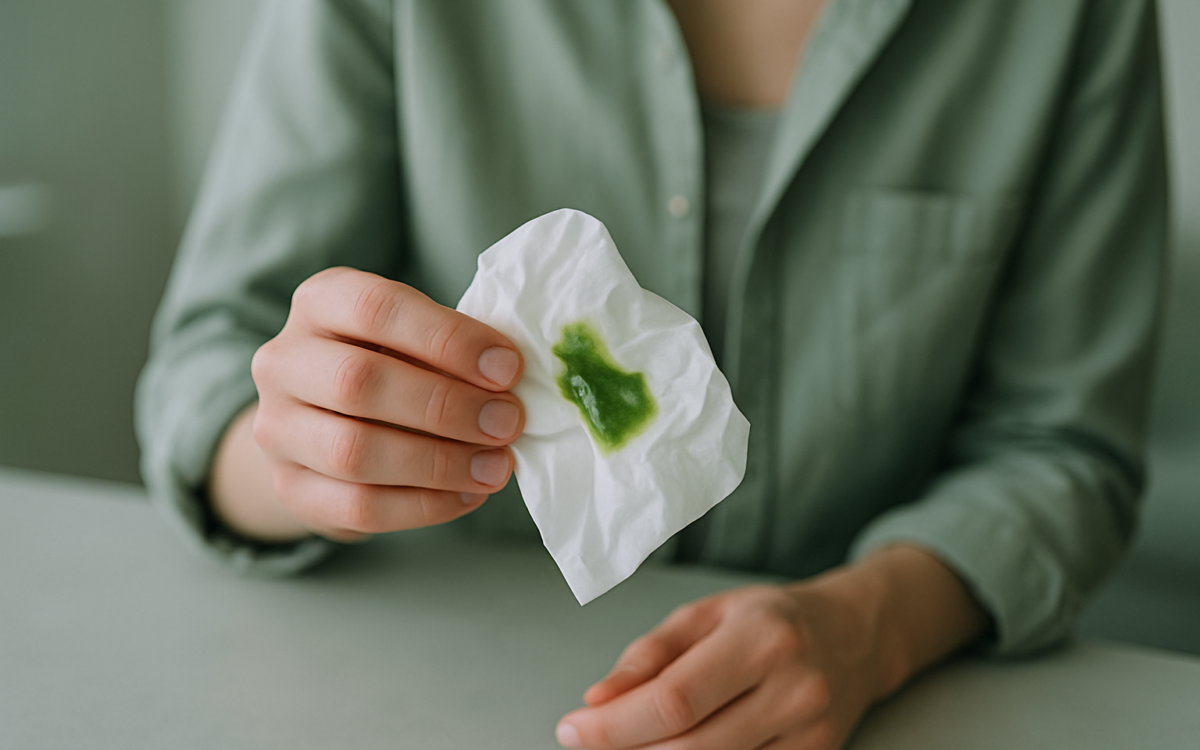
Mucus is a natural substance produced by your body, primarily to protect and lubricate the tissues of your respiratory tract. But when you notice a change in the color of your mucus, such as it turning green, it can be a cause for concern. What does green mucus mean? Is it a sign of something serious, or just a minor issue? Let’s delve into the reasons behind green mucus and what it can indicate about your health.
What is mucus and why does it change color?
Mucus plays an essential role in our respiratory health. It helps trap pathogens, dust, and allergens, keeping your airways clear. Typically, mucus is clear or white when you’re healthy. However, its color can change due to various factors, including infections, allergies, and environmental irritants.
Causes of green mucus
Green mucus often signals an infection, usually viral or bacterial, but it can stem from other reasons as well. Here are some common causes:
- Sinus infections: Also known as sinusitis, this condition can lead to thick, green mucus as your body responds to the infection.
- Bronchitis: Acute bronchitis, often following a cold, can produce green mucus due to inflammation and increased mucus production.
- Pneumonia: This serious infection of the lungs can lead to green or even rusty-colored mucus, accompanied by other symptoms like fever and chest pain.
- Allergies: Allergic responses can also result in colored mucus, particularly if a secondary infection occurs.
Green mucus and its connection to infections
When your body detects an infection, it produces more white blood cells to combat the invading pathogens. As these cells die and break down, they can change the color of your mucus to green, signaling that your body is fighting an infection. It’s important to note that green mucus does not necessarily mean you have a bacterial infection requiring antibiotics; viral infections can also lead to this color change.
When to consider further treatment
If your green mucus persists for more than a week, or if it’s accompanied by severe symptoms like high fever, shortness of breath, or chest pain, it may be time to consult a healthcare professional. They can guide you through testing and treatment options to ensure a proper recovery.
International treatment perspectives
While many people seek care at local clinics, international healthcare options are also available for those in need of specialized treatment. Medical facilities like acibademinternational.com offer resources for individuals considering treatments abroad, providing access to advanced technology and medical expertise. This can be especially beneficial for chronic respiratory issues or complicated infections where specialized care may be necessary.
Home remedies and supportive care
While it’s essential to seek medical advice for persistent symptoms, there are supportive care strategies that can help alleviate discomfort caused by green mucus:
- Stay hydrated: Drinking plenty of fluids can help thin mucus, making it easier to expel.
- Use a humidifier: Adding moisture to the air can soothe irritated airways and promote mucus clearance.
- Gargle saltwater: This may help relieve throat irritation, especially if coughing is present.
- Rest: Giving your body ample time to recover is crucial during an infection.
Understanding mucus in broader health contexts
Mucus color, while an interesting health marker, is just one aspect of your overall health. Other indicators, such as your overall symptoms and physical condition, matter significantly. Paying attention to your body’s cues and understanding their context can empower you to make informed decisions regarding your health.
When to see a doctor
Always consult a healthcare professional if you experience any of the following:
- Mucus that is persistently green for over a week
- Accompanied by a high fever (over 101°F or 38.3°C)
- Shortness of breath or wheezing
- Chest pain or tightness
- Severe headache or sinus pain
Conclusion
Green mucus is not uncommon and can indicate various health conditions, particularly infections. Understanding the reasons behind this change can help you make informed decisions about your health. Always consult with a physician for advice tailored to your specific situation, and remember that maintaining overall wellness—through hydration, a balanced diet, and regular check-ups—is key to preventing infections and managing symptoms.
