
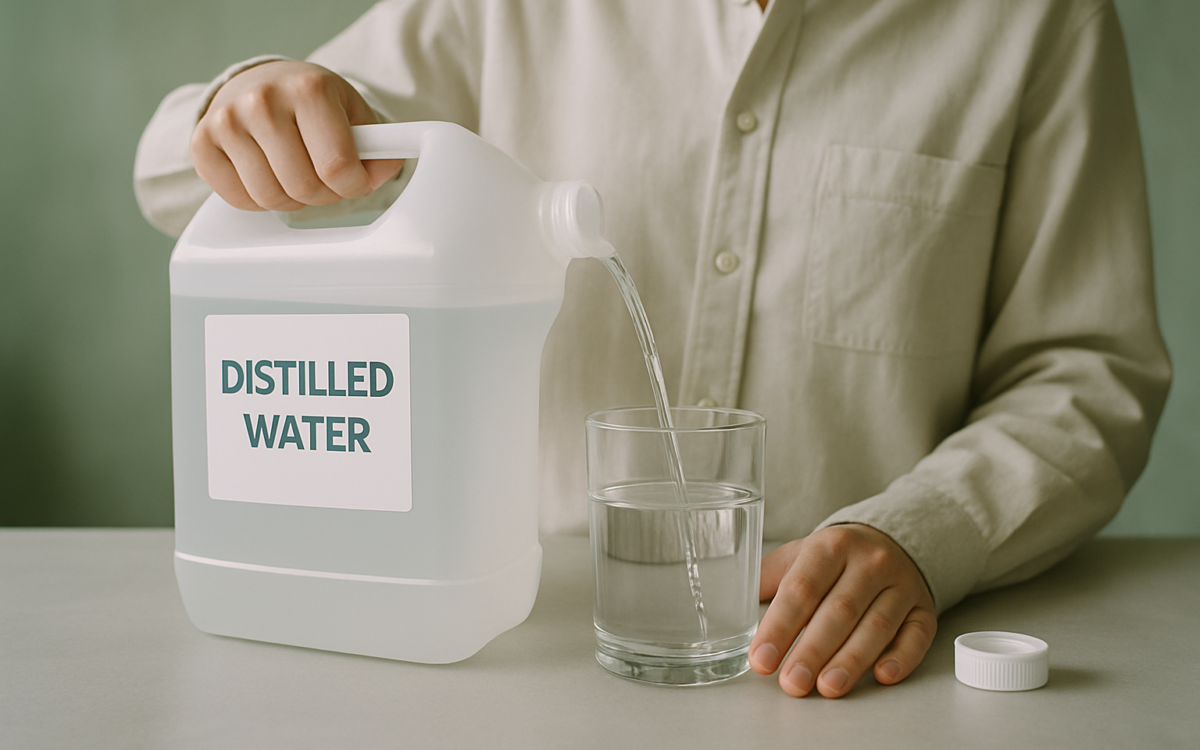
Water is essential for life, but not all water is created equal. When you think about what you drink, it’s normal to wonder about the types of water available. One option that often comes up is distilled water. But is it safe to drink distilled water? Let’s dive into the facts so you can make an informed choice.
What is Distilled Water?
Distilled water is water that has been purified through a process called distillation. This method involves boiling water to create steam, then capturing that steam and cooling it back into liquid form. The result is water free from minerals, chemicals, and impurities that might be present in regular tap or bottled water.
Comparing Distilled Water to Other Water Types
When discussing distilled water, it helps to compare it with other common types of water, such as tap water and bottled water.
- Tap Water: Depending on where you live, tap water can contain various minerals, chlorine, and even small amounts of contaminants.
- Bottled Water: Bottled water can be spring water, purified water, or even flavored water. The quality can vary greatly based on the source.
- Mineral Water: Contains minerals like calcium and magnesium, which are beneficial for health.
Unlike tap and bottled water, distilled water lacks these minerals. While this can be advantageous in some scenarios — for example, in medical or laboratory settings — it raises questions about whether it’s suitable for everyday hydration.
Health Effects of Drinking Distilled Water
The primary concern about drinking distilled water involves its lack of minerals. Although our bodies need water to function, we also require certain minerals, such as calcium and magnesium, that we typically get from food and some types of water.
Some potential effects of drinking distilled water include:
- Mineral Deficiency: Over time, relying solely on distilled water could lead to a deficiency in essential minerals, especially if your diet is lacking.
- Hydration Efficiency: While distilled water hydrates just like any other water, its mineral content is part of what typically makes drinking water more refreshing.
- Acidity Levels: Distilled water is slightly acidic. While this usually isn’t a problem, consuming only distilled water in large quantities could impact your body’s pH balance.
Who Should Consider Drinking Distilled Water?
Contrary to popular belief, distilled water is safe for most people. In fact, it may be preferable for certain groups:
- People with Compromised Immune Systems: Individuals with weakened immune systems often benefit from distilled water due to reduced risk of exposure to contaminants.
- People in Extreme Environments: Those in areas with contaminated water supplies might find distilled water a safer option.
- Use in Appliances: Distilled water is recommended for use in appliances like steam irons and humidifiers, as it helps prevent mineral buildup.
Concerns About Drinking Distilled Water Regularly
Despite its benefits, drinking distilled water exclusively may not be the best choice for everyone. Here are a few points to consider:
- Balanced Diet: If your diet is rich in essential minerals, the lack of minerals in distilled water may not be a significant concern.
- Water Variety: Alternating between distilled, tap, and mineral water can provide both hydration and essential minerals.
- Personal Preference: Some people find the taste of distilled water less appealing compared to other water sources.
When to See a Doctor
If you are considering making distilled water a significant part of your hydration routine, it’s a good idea to consult your healthcare provider, especially if you have conditions that affect your mineral levels or hydration needs.
Conclusion
Drinking distilled water is generally safe for most people and can be beneficial in specific circumstances. While it lacks minerals, which are important for health, it can still effectively hydrate you. Ultimately, the key is balance—incorporating a variety of water types into your diet can help ensure you stay properly hydrated and healthy.
