
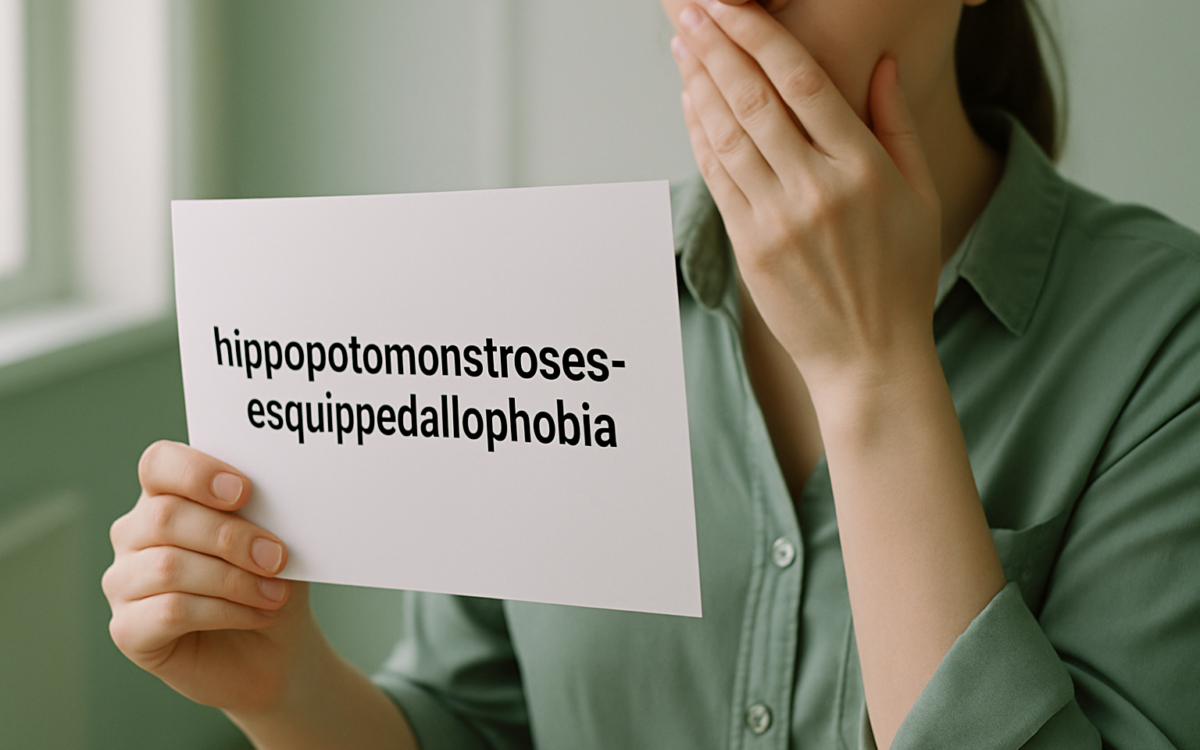
The fear of long words, popularly known as sesquipedalophobia, might sound ironic to some. It’s a term that describes a condition where individuals experience anxiety at the mere thought or sight of long words. While it may seem amusing, this fear can significantly impact those who suffer from it, affecting their social interactions, self-esteem, and even academic performance. It’s essential to explore this uncommon phobia and provide support and understanding to those who face this challenge.
What Is Sesquipedalophobia?
Sesquipedalophobia can vary from mild discomfort to more severe anxiety responses. Those who experience this fear may feel panic or overwhelming anxiety when encountering long words in reading, conversation, or even when they must use them. This condition often intersects with other anxiety disorders, amplifying feelings of avoidance and fear.
How Common Is It?
Despite being a specific phobia, sesquipedalophobia is relatively rare. Most estimates suggest that phobias, in general, affect approximately 7-9% of the population at some point in their lives, though there isn’t enough research to pinpoint how many people specifically struggle with the fear of long words. Factors contributing to this phobia can include personal experiences, cultural influences, or even educational settings where individuals have been teased or made to feel inadequate when they encounter complex vocabulary.
Symptoms and Signs of Sesquipedalophobia
Identifying sesquipedalophobia can be challenging, as it may manifest in different ways. Common symptoms include:
- Feelings of dread or anxiety when seeing or hearing long words
- Physical symptoms such as sweating, shaking, or a racing heart
- Avoidance of books, discussions, or environments that may involve lengthy terminology
- Feelings of embarrassment or shame when encountering long words
- Difficulty expressing oneself due to fear of using complex vocabulary
These symptoms can affect anyone, regardless of age or education level. Understanding these signs is crucial for encouraging individuals to seek help.
The Psychological Aspects
The fear of long words can stem from deeper psychological issues such as low self-esteem or social anxiety. Often, individuals may feel they are not smart enough or fear being judged by others. For some, the anxiety can create a vicious cycle—avoiding lengthy vocabulary leads to negative self-perceptions, reinforcing the fear. Cognitive-behavioral therapy (CBT) is a common treatment method that has shown promise in addressing various phobias, including sesquipedalophobia. CBT helps individuals identify and challenge irrational thoughts, gradually exposing them to their fears in a supportive environment.
Methods to Cope with Sesquipedalophobia
Managing the fear of long words involves a combination of strategies tailored to the individual’s needs. Here are several methods to consider:
- Education: Learning about language, its complexities, and the meaning of specific long words can demystify the fear.
- Gradual exposure: Slowly introducing oneself to long words in a safe and controlled manner can help desensitize the fear.
- Mindfulness and relaxation techniques: Practices such as deep breathing, meditation, or yoga can reduce overall anxiety levels.
- Professional help: Seeking therapy or counseling can provide support for managing anxiety and improving self-esteem.
Understanding these coping strategies can empower individuals to confront their fears more effectively.
When to See a Doctor
If you or someone you know experiences debilitating symptoms associated with the fear of long words, it might be helpful to speak with a healthcare professional. A doctor or licensed therapist can provide an accurate diagnosis and recommend appropriate treatment options. Addressing the fear of long words can lead to improved quality of life and better communication skills.
Conclusion
The fear of long words, while not commonly discussed, is a valid concern that can affect individuals significantly. Recognizing this fear, understanding its implications, and encouraging open discussions can help those affected feel less isolated. By employing coping strategies, individuals can work towards overcoming sesquipedalophobia and embracing the richness of language.
