
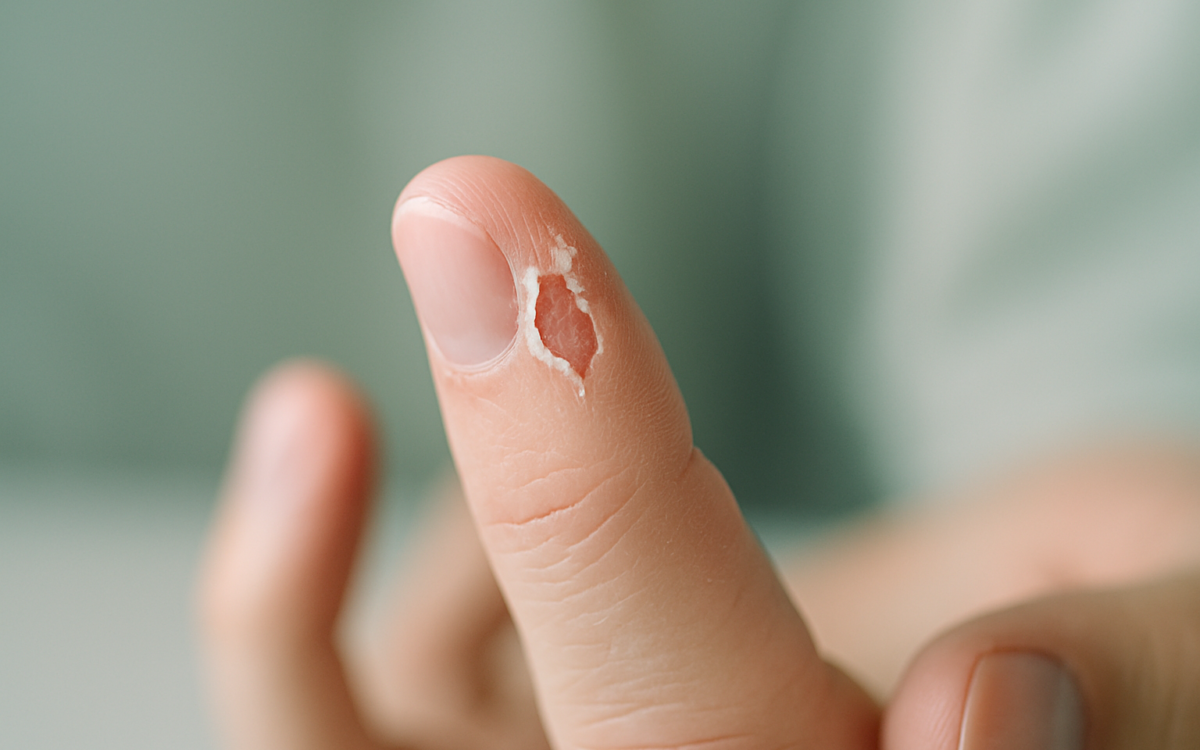
Peeled fingers can be a perplexing and sometimes alarming condition. Whether the skin is peeling due to environmental factors, underlying health issues, or simply irritation, understanding the reasons behind this common occurrence can help users manage it more effectively. In this article, we’ll explore the causes, symptoms, and care strategies for peeled fingers.
What causes peeled fingers?
Peeled fingers can result from a variety of factors, including environmental exposure, skin conditions, and even habits that contribute to skin irritation.
1. Environmental factors
- Dry weather: In cold or dry climates, skin often loses moisture, leading to peeling.
- Excessive moisture: Prolonged exposure to water, especially in hot or humid environments, can strip the skin of its natural oils, leading to peeling.
- Harsh chemicals: The use of strong soaps, detergents, or cleaning products can irritate the skin and cause it to peel.
2. Common skin conditions
Several skin conditions can lead to peeling on the fingers, each differing in cause and effect.
- Eczema: This chronic condition causes inflamed and itchy skin, which can lead to peeling. For more information, visit the NIH.
- Psoriasis: An autoimmune condition that promotes rapid skin cell turnover, leading to scaling, red patches, and peeling.
- Contact dermatitis: This occurs when the skin comes into direct contact with irritants or allergens, resulting in inflammation and peeling. Symptoms typically improve after eliminating the trigger.
3. Nutritional deficiencies
Certain nutritional deficiencies can also cause peeling skin. For instance, a lack of:
- Vitamin B3 (niacin): Essential for skin health, a deficiency can result in dryness and peeling.
- Vitamin A: Important for skin repair and function.
- Essential fatty acids: These promote skin moisture and elasticity.
Symptoms accompanying peeled fingers
Peeled fingers can present alongside various symptoms, which can help identify the underlying cause.
- Redness: Inflammation can cause the skin to appear red and irritated.
- Itching: Many skin conditions and irritants generate an urge to scratch, which can further exacerbate peeling.
- Cracks or fissures: Severe dryness can lead to painful cracks, which may require more involved care.
- Rash: Conditions like eczema or contact dermatitis can cause additional rashes or bumps.
How to care for peeled fingers
Caring for peeled fingers involves simple yet effective strategies to heal the skin and prevent further irritation.
1. Hydration
Keeping your skin moisturized is crucial. Use a gentle, fragrance-free moisturizer regularly, particularly after washing your hands.
2. Proper cleaning
If your fingers have been exposed to irritants like soap or cleaning products, rinse them thoroughly with lukewarm water and gentle soap. Avoid harsh chemicals and opt for hypoallergenic products when possible.
3. Protective barriers
Consider wearing gloves when handling irritants, such as household cleaners or gardening materials. This simple barrier can prevent further damage and protect sensitive skin.
Natural remedies to soothe peeling skin
In addition to over-the-counter products, natural remedies may provide relief and healing for peeled fingers.
- Aloe vera: Known for its soothing properties, aloe vera gel can hydrate and reduce irritation.
- Coconut oil: This oil is rich in fatty acids and can help lock in moisture, providing a protective layer over dry skin.
- Oatmeal baths: Soaking hands in oatmeal can soothe irritated skin and provide relief.
When to see a doctor
If you notice that your fingers are consistently peeling, or if the peeling is accompanied by severe symptoms such as persistent itching, swelling, or discharge, it may be time to consult a healthcare professional. Persistent or unexplained skin issues can be a sign of an underlying condition that requires medical attention. Early diagnosis can lead to more effective treatment.
Conclusion
Peeled fingers can be a common and frustrating issue, but understanding the causes and care strategies can greatly improve the situation. With proper attention to hydration, protection from irritants, and knowledge of when to seek medical advice, individuals can effectively manage this condition. Remember, while many cases are minor, consulting a healthcare provider is always a wise choice if you have concerns about your skin health.
