
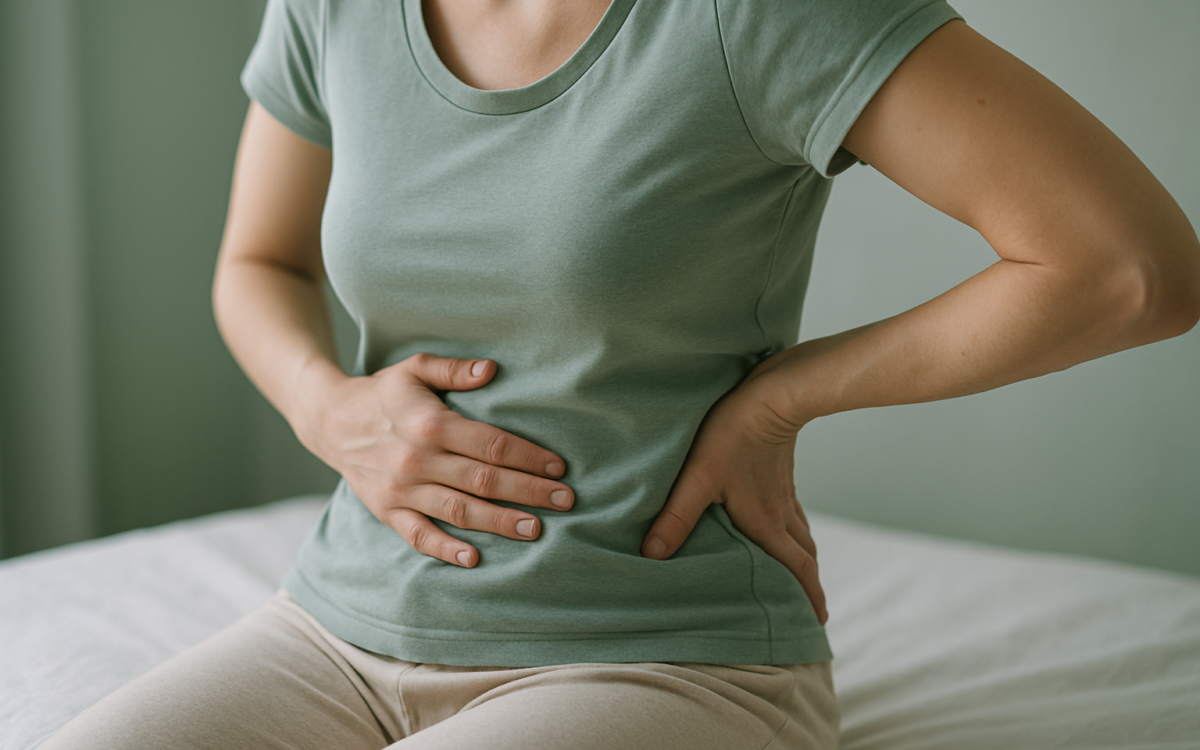
Suffering from a sore stomach and back pain can feel overwhelming and distressing. Many people experience these symptoms at some point in their lives, often finding it challenging to pinpoint the exact cause. Understanding the connection between your stomach and back pain can give you valuable insights into your health.
Possible Causes of Sore Stomach and Back Pain
Several conditions can lead to simultaneous soreness in both the stomach and back. These may stem from digestive issues, musculoskeletal problems, or even stress-related factors. Let’s explore some possible causes in more detail.
Digestive Issues
Your stomach discomfort might be linked to digestive problems. Conditions like gastritis, irritable bowel syndrome (IBS), or even constipation can lead to abdominal pain that radiates to your back. When the gastrointestinal tract is stressed, it can trigger muscle tension in the back as part of your body’s natural response.
Gastritis and Gastroenteritis
Gastritis, which is an inflammation of the stomach lining, can cause nausea, vomiting, and abdominal pain. It is often accompanied by back pain due to muscle tension or referred pain. Gastroenteritis, on the other hand, involves inflammation of both the stomach and intestines. Symptoms can include stomach cramps, diarrhea, and sometimes, back pain.
Irritable Bowel Syndrome (IBS)
IBS is a common gastrointestinal disorder characterized by bloating, gas, diarrhea, and constipation. The cramping pain associated with IBS can also lead to discomfort in the lower back, making it difficult to identify where the pain is emanating from. If you suspect IBS, tracking your symptoms can help in discussions with your doctor.
Musculoskeletal Problems
Muscle strains, herniated discs, or other musculoskeletal issues can also link back pain and stomach discomfort. A strained muscle in your back can sometimes cause referred pain in your abdomen.
Muscle Strain
Muscle strain occurs when a muscle is stretched or torn. It’s common when lifting heavy objects or even during daily activities. If you’ve recently been active, a muscle strain might explain the pain in your back and how it can affect your stomach through tense abdominal muscles.
Herniated Discs
A herniated disc happen when the soft interior of a spinal disc protrudes through the hard exterior. This condition can cause pain that radiates from your back to other areas, including the abdomen. If you experience numbness or tingling along with the pain, it’s important to consult a doctor.
Stress and Anxiety
The connection between mental health and physical symptoms is well-documented. Stress and anxiety can lead to muscle tension, which may manifest as back pain. Additionally, stress can lead to digestive issues like stomach cramps or nausea.
Managing Stress
Learning healthy coping mechanisms such as mindfulness, exercise, or talking with a therapist can help address both your physical symptoms and emotional health. Taking steps to reduce stress can significantly improve your quality of life.
When to See a Doctor
While occasional stomach and back pain may not be a cause for alarm, certain symptoms warrant a visit to your healthcare provider:
- Pain that worsens or persists for several days
- Severe abdominal pain that comes on suddenly
- Unexplained weight loss
- Fever or vomiting
- Changes in bowel habits
If you experience any of these symptoms, it’s essential to consult with a healthcare provider for proper evaluation and treatment. Early intervention can lead to better outcomes and relief from discomfort.
Conclusion
A sore stomach and back pain can arise from various causes, ranging from digestive issues to musculoskeletal problems or even stress. Understanding these links can help you communicate more effectively with your healthcare provider and seek appropriate treatment. Remember, you don’t have to navigate this experience alone; consult with a medical professional for guidance and relief.
