
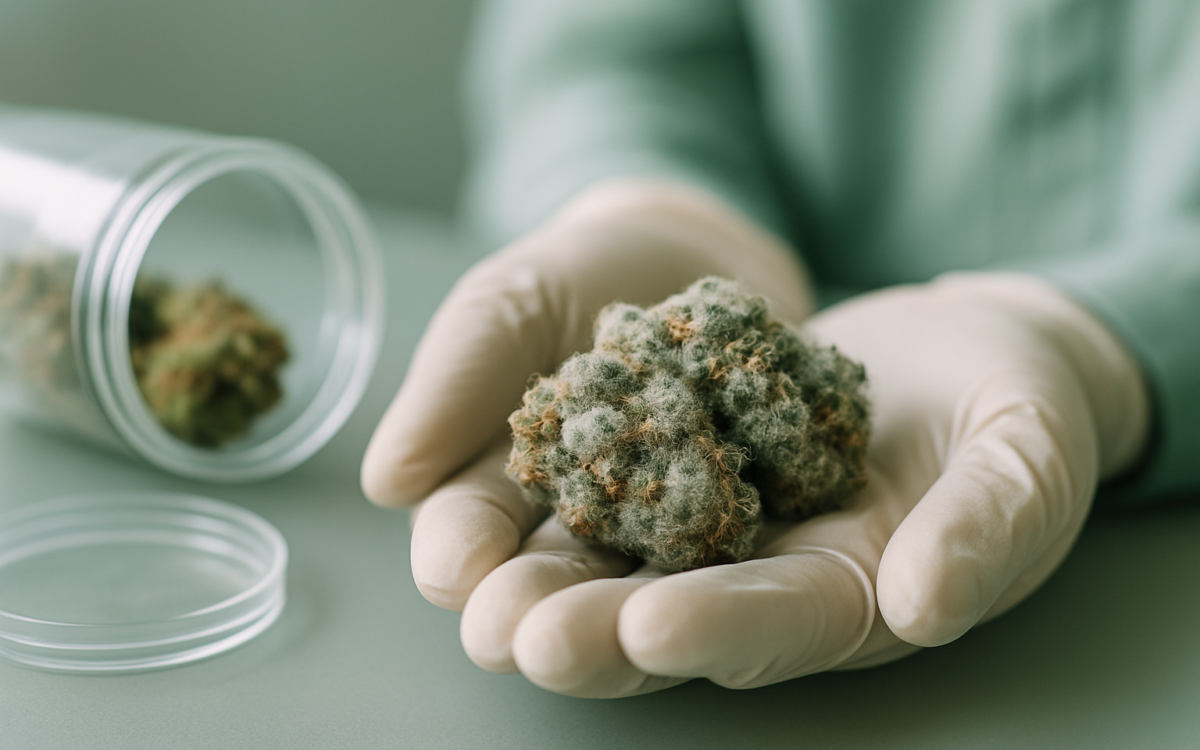
The growing popularity of cannabis has led to increased awareness about its cultivation and consumption. However, an essential aspect that often goes unnoticed is the presence of mould on weed. Mould not only reduces the quality and potency of cannabis but also poses potential health risks, especially for individuals with respiratory issues or weakened immune systems. In this article, we’ll explore how to identify mould, its health implications, and best practices for prevention.
What causes mould on weed?
Mould can thrive in various environments, particularly where moisture levels are high and airflow is poor. Cannabis plants that are not carefully cultivated and stored are susceptible to mould growth. Some common factors that can lead to mould on weed include:
- High humidity: Mould thrives in damp conditions, making low humidity essential during both growth and storage.
- Overwatering: Excess water can saturate the soil and create a hospitable environment for mould.
- Poor ventilation: Lack of airflow encourages mould by limiting drying and creating stagnant, humid air.
- Storage conditions: Keeping cannabis in airtight containers without proper care can trap moisture and promote mould growth.
Types of mould found on cannabis
Several mould species can develop on cannabis, with the most common being:
- Botrytis cinerea: Also known as gray mould, this type is prevalent in humid conditions and can quickly damage the plant.
- Aspartic mold: A group of moulds that can also affect cannabis, causing health concerns when ingested or inhaled.
- Penicillium: Known for its blue-green color, this mould can cause allergic reactions and respiratory issues.
Identifying the type of mould is essential, as some can be more harmful than others. It is important to remember that any visible mould on cannabis should be treated as unsafe.
Health risks associated with mould on weed
Inhaling or consuming mouldy cannabis can lead to various health risks. Some potential health implications include:
- Respiratory issues: People with asthma or other respiratory conditions may experience coughing, wheezing, and shortness of breath when exposed to mould.
- Allergic reactions: Symptoms like sneezing, itchy eyes, and rashes can occur in individuals sensitive to mould.
- Infections: For individuals with weakened immune systems, mould spores can lead to serious infections, particularly in the lungs.
According to the Centers for Disease Control and Prevention (CDC), mould can produce allergens, irritants, and toxic substances. Thus, avoidance of mouldy cannabis is crucial for health and well-being.
How to identify mould on cannabis
Recognizing mould on weed is key to ensuring safety. Here are some signs to watch for:
- Appearance: Mould can appear as white, gray, green, or black fuzz on the buds or leaves. Look for a powdery texture or discoloration.
- Odor: Mouldy cannabis may emit a musty or damp smell. In comparison, fresh cannabis has a distinct, pleasant aroma.
- Texture: Mould can make the buds feel more brittle or crumbly instead of sticky and resinous.
When in doubt, it is better to err on the side of caution and avoid consuming any cannabis that shows signs of mould.
Preventing mould growth on weed
Preventing mould on cannabis is relatively straightforward with proper care. Here are some tips to help avoid mould growth:
- Control humidity: Maintain humidity levels between 40% and 60% during growth and ensure proper ventilation.
- Water properly: Avoid overwatering. Allow the soil to dry out between watering sessions to prevent excess moisture.
- Store wisely: Keep cannabis in a cool, dry place, ideally in breathable containers to avoid trapping moisture.
- Inspect regularly: Check your cannabis frequently for any signs of mould during growth and storage.
These preventative measures can significantly reduce the risk of mould development and ensure that the cannabis remains safe to consume.
When to see a doctor
If you have consumed mouldy cannabis and experience symptoms like persistent cough, difficulty breathing, or signs of an allergic reaction such as rash or swelling, it is important to consult with a doctor. Additionally, if you have respiratory conditions like asthma or a weakened immune system, any exposure to mould should prompt a medical consultation.
While mould on weed can pose serious health risks, understanding how to identify, prevent, and address these issues can help ensure a safer cannabis experience. Enjoy your cannabis responsibly, and keep an eye out for any signs of mould.
