
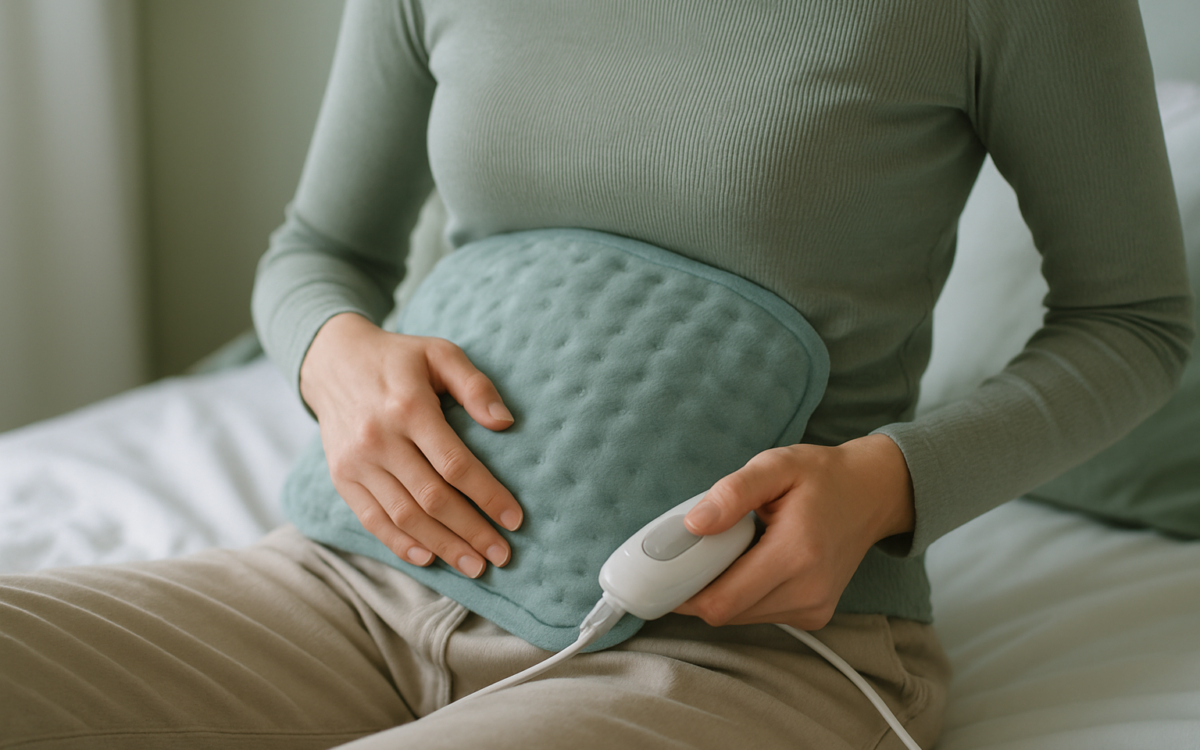
Gallbladder attacks can be painful and distressing, often leaving individuals searching for immediate relief. For those experiencing discomfort, a heating pad may offer a soothing solution. But how effective is it, and when should you consider additional medical care? Let’s explore the use of heating pads during gallbladder attacks and what else you need to know.
Understanding Gallbladder Attacks
The gallbladder is a small pouch that helps digest fats by storing bile produced by the liver. Gallbladder attacks usually occur when bile duct stones block the flow of bile, causing pain and other symptoms. Recognizing the signs of a gallbladder attack is crucial for managing your health.
Symptoms of a Gallbladder Attack
Gallbladder attacks may present several symptoms, including:
- Intense pain in the upper right abdomen
- Nausea or vomiting
- Indigestion or bloating
- Pain that radiates to the back or right shoulder
- Fever or chills, in some cases
If you experience these symptoms, it’s essential to understand their severity. While some people might find relief through home remedies, others may require medical intervention.
How Heating Pads Might Help
A heating pad is a popular home remedy for various types of pain, including abdominal discomfort. Applying heat to the affected area can help in several ways:
- Muscle Relaxation: Heat can relax the muscles in the abdominal region, potentially easing cramping and discomfort.
- Increased Blood Flow: The application of heat increases circulation, which may help in delivering more oxygen and nutrients to the area and promoting healing.
- Distraction from Pain: The warmth from a heating pad can distract the nervous system from pain signals, providing a temporary sense of relief.
However, it’s important to remember that while heating pads can provide comfort, they are not a treatment for the underlying issues causing the gallbladder attacks.
How to Use a Heating Pad Safely
If you decide to use a heating pad to alleviate discomfort during a gallbladder attack, here’s how to do it safely:
- Ensure the heating pad is clean and in good working condition.
- Use a low or medium setting to avoid burns. The heat should feel comfortable, not painful.
- Apply the heating pad to the upper right side of your abdomen where the gallbladder is located.
- Limit the application to 15-20 minutes at a time, allowing your skin to cool before reapplying.
- Always place a cloth or towel between the heating pad and your skin to prevent irritation.
While heating pads can be beneficial, they are not a substitute for professional medical advice, diagnosis, or treatment.
Other Home Remedies for Gallbladder Pain
In addition to heating pads, there are several home remedies people may find helpful for gallbladder-related pain:
- Hydration: Drink plenty of water, as staying hydrated is essential for overall digestive health.
- Gentle Diet: Opt for light, bland foods during an attack. Avoid greasy, fatty, or spicy foods that may exacerbate symptoms.
- Herbal Teas: Some herbal teas, such as peppermint or ginger tea, may soothe the stomach and aid digestion.
These home remedies can support comfort, but consult with a healthcare professional for persistent pain or recurring gallbladder attacks.
When to See a Doctor
It’s crucial to know when to seek medical attention for your gallbladder issues. You should contact your doctor or seek emergency assistance if you experience:
- Severe abdominal pain that doesn’t improve
- Fever or chills
- Jaundice (yellowing of the skin or eyes)
- Persistent nausea or vomiting
- Dark urine or clay-colored stools
These signs may indicate serious complications, such as pancreatitis or cholangitis, requiring immediate medical treatment. If you have questions or concerns about your gallbladder health, consult a healthcare professional.
Conclusion
While a heating pad may bring temporary relief during a gallbladder attack, it’s essential to recognize that this is not a foolproof solution. Understanding your body’s signals, utilizing home remedies responsibly, and knowing when to consult a doctor are critical steps in managing gallbladder health. For more information on gallbladder attacks and their management, you can visit reputable sources like the Mayo Clinic or the National Institutes of Health.
